Tag Archives: writing

Fight for College Access: Part 2 – Tension at Breakfast

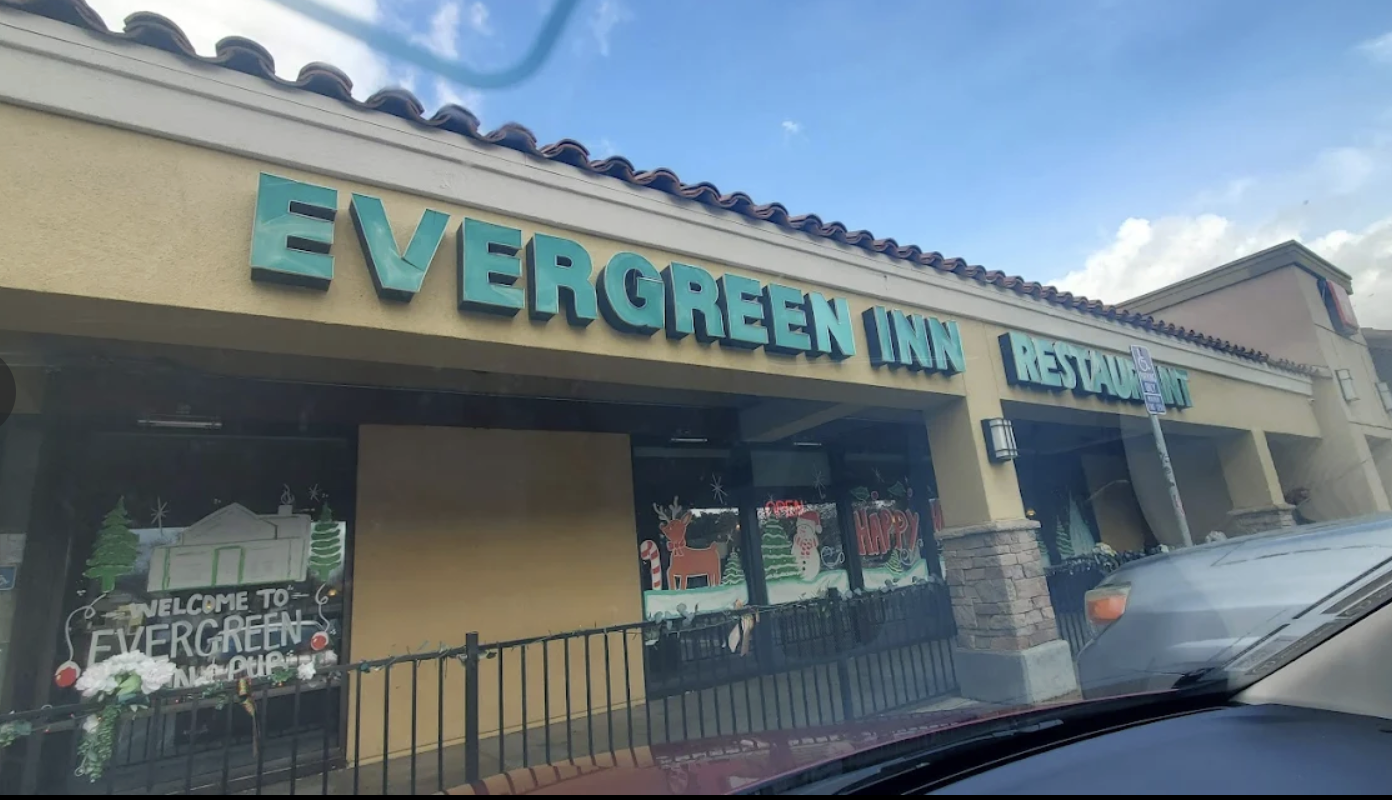
Photo Credit: Evergreen Inn and Pub

Our kids can’t pass Algebra 2. You’re setting them up to fail

~President, East Side Teachers Association

***

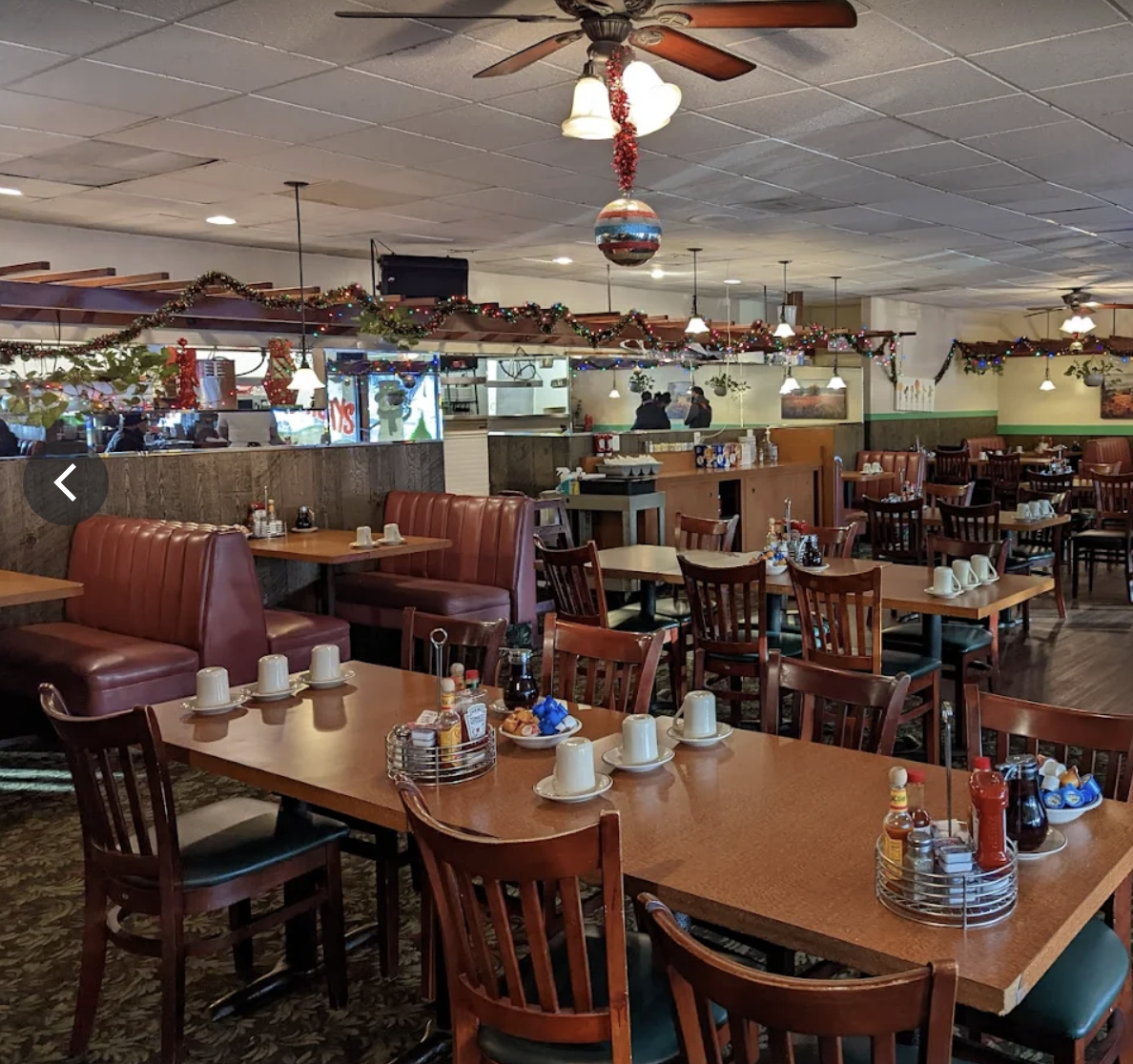
After sharing the idea of an A-G graduation requirement with the superintendent and several principals, the next, and perhaps most important, step was to meet with the president of the East Side Teachers Association (ESTA) to share my plans for student achievement and seek ESTA’s support for A-G. We met at a beloved breakfast spot in the Evergreen neighborhood within the ESUHSD boundaries. It was an old-fashioned cafe with booths lining the perimeter and tables occupying the center. The smell of bacon, eggs, and pancakes filled the air.

Photo Credit: Evergreen In and Pub

Over breakfast, we chatted amiably and caught up on issues important to teachers. When I summarized my plans for an A-G graduation policy, the president sat silently, looking skeptical. The president asked pointed questions. Why? Does the district have the resources? Are other board members in support? The president was concerned that the ESTA board and membership would not likely support my proposal.

“In theory it’s a great idea, and we all want kids to be successful,” ESTA’s leader told the Mercury News. “But we don’t have room to add more chem labs. There’s no funding for new textbooks. How do we get junior highs to raise the bar to prepare students for ninth grade?” ESTA supported the last assertion with data. Forty percent of ninth-graders fail Algebra I, the first class in the college-prep math sequence.

By 2010, just a handful of school districts had policies that required students to take an A-G curriculum. San Jose Unified and Los Angeles Unified were leaders in that space. A-G was not on the radar for most school districts in California. The California Teachers Association (CTA) had not taken a position on the issue. The CTA focused its advocacy on higher teacher pay, smaller class size, more training support, and additional classroom resources. Calmly sipping coffee, I speculated CTA principles were driving the ESTA president’s reluctance about A-G.

With that in mind, I offered to partner with ESTA to advocate for and secure resources to provide teachers with the tools to help students succeed. The president persisted against the idea. The proposal would be hugely unpopular with teachers. The challenge for the president would be to prevent some ESTA leaders from publicly opposing the initiative. Understanding that subtle threat should have been a signal for me to stop pursuing an A-G policy proposal. 

Undeterred, I made a second attempt at persuasion by appealing to our commonalities. We were both ESUHSD students of color who went on to succeed in college and in our respective careers. “If we were able to do it, my rationale began …” ESTA’s president was unmoved. The third attempt was a combination of scornful sarcasm and facts. “The alternative is to do nothing,” I said. “We’ve got plenty of data to show that’s not working.” The tension in the restaurant booth was palpable. 

We stared each other down like a couple of prizefighters. I was unconvinced that ESTA’s “talking points” were the real reason why teachers would be so vehemently opposed to high standards. So I prodded with pointed questions. The president responded assuredly and bluntly, “Our kids can’t pass Algebra 2. You’re setting them up to fail.” I was shocked by the honesty, however misplaced in my opinion. Sincere sadness began to creep into my consciousness. How could we possibly expect kids to succeed if our teachers don’t expect them to be successful?

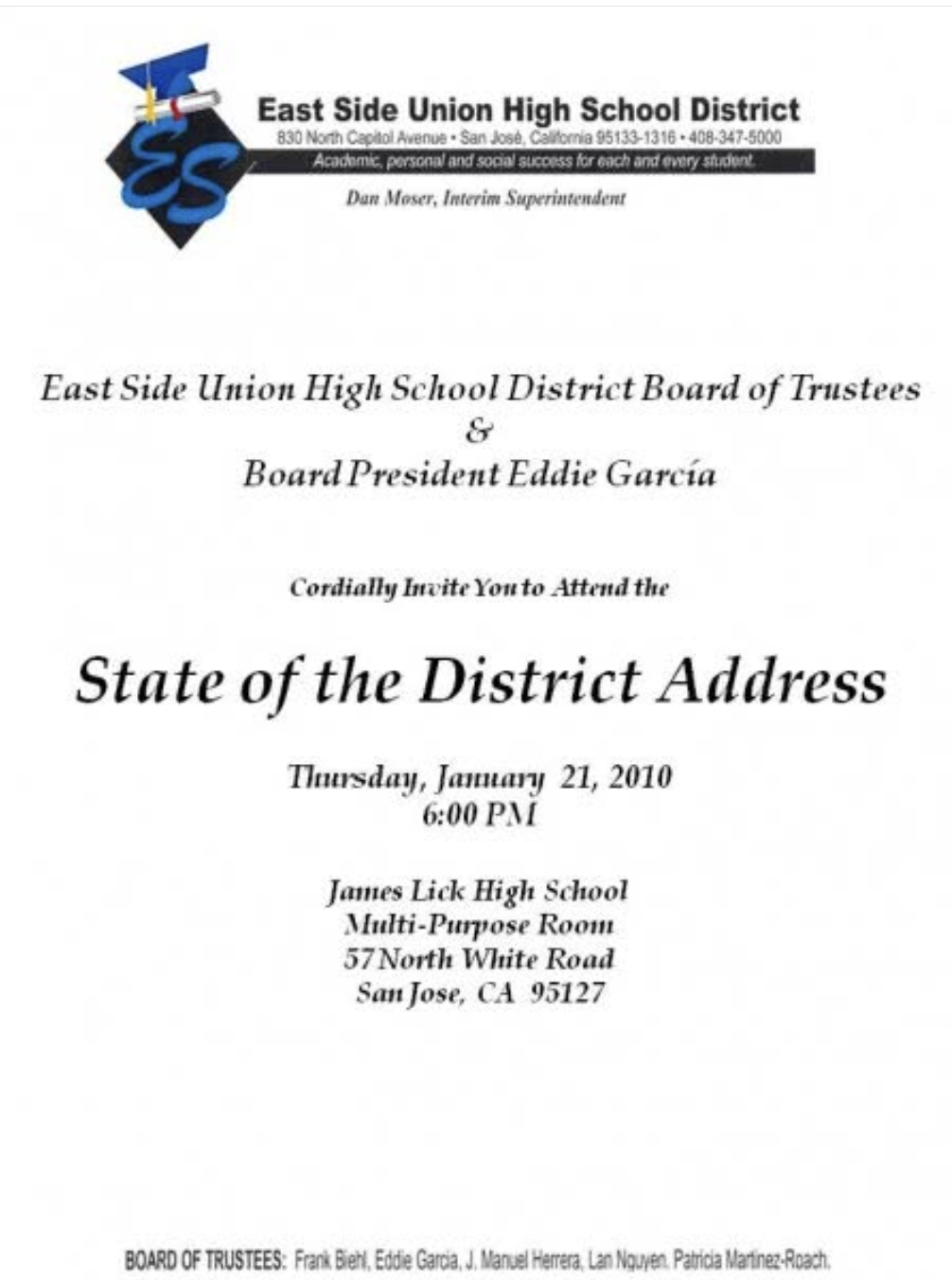
Ultimately, we agreed to disagree on the merits of the policy. I confidently stated that I would move forward with the proposal at the State of the District Address later that month “with or without ESTA’s support.” “If ESTA wanted to go on record opposing high standards,” I continued, “the court of public opinion will certainly weigh in.” Teachers in opposition to higher standards wouldn’t be a good look. ESTA’s president paused and assured me that the organization and membership would remain publicly neutral.  

Satisfied for the moment, I ended the meeting with a forced smile and a cordial handshake. Before meeting with the ESTA president, I anticipated an A-G slam dunk. After my unwise display of stubborn determination at breakfast, I knew that preparing for a full-court press was the only course of action. It was going to be a long road to secure passage of an A-G graduation policy. Phase 2 – developing a comprehensive advocacy strategy – would have to begin right away.

***

Next Week: The Advocacy Plan

Fight for College Access: Part 1

EdTrust-West is a California-based research and advocacy group that seeks to improve racial equity in education. According to EdTrust, “Historically, educational tracking in California systematically diverted Latino students into vocational or non-college-prep courses.” Its analysis goes on to state, “this legacy persists today, leaving a disproportionate share of Latino students unprepared for University of California (UC) and California State University (CSU) admission.”

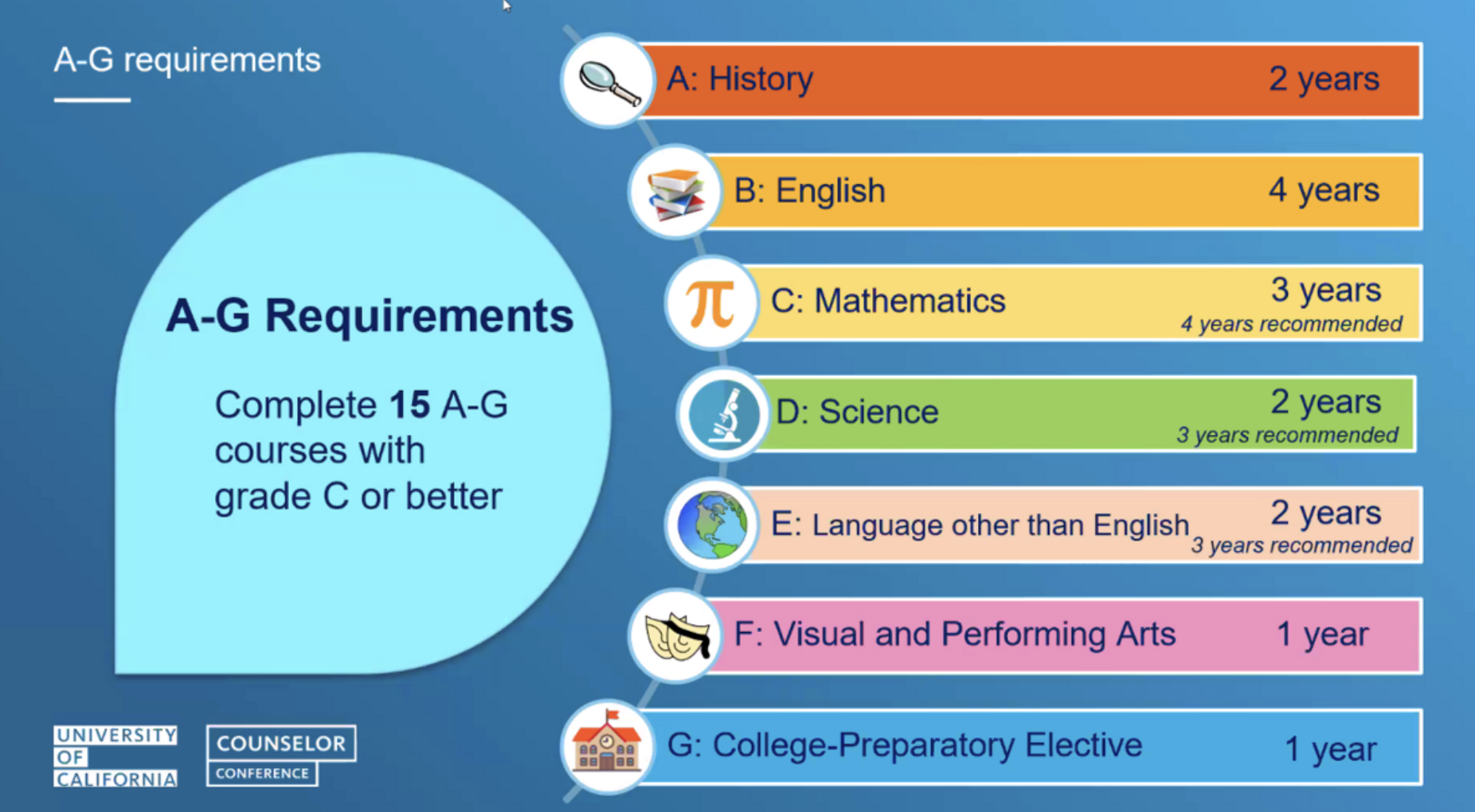
In 2010, the East Side Union High School District Board of Trustees sought to address the structurally racist practice of tracking Latino students into vocational curricula. The solution was creating a landmark policy that provided all students with access to the A-G curriculum, the series of courses required for UC and CSU admission. I served on that 2010 Board of Trustees.

ESEReport will share the East Side’s A-G story in a multi-part series, beginning with Part 1 today.

UC and CSU requirements for college eligibility

The idea of simply aligning the state’s minimum high school requirements with A-G requirements hasn’t gained steam because of the concern that it would result in fewer students graduating. ~Mayra Lara, Director, Ed Trust-West

***

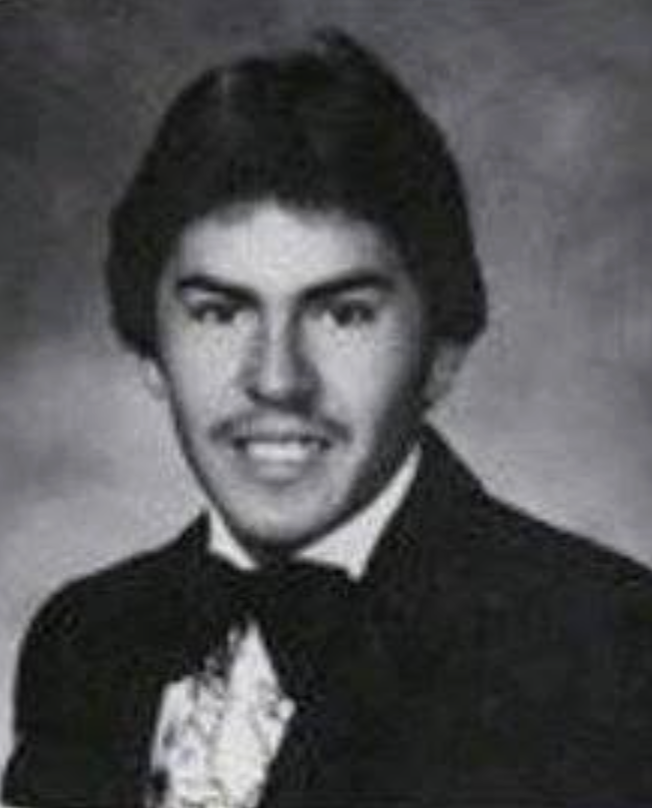
Senior Portrait – James Lick High School – 1981

It was Spring 1981, my senior year in high school. I sat nervously in the counselor’s office at James Lick High School. The counselor was a portly Irish man in his late fifties with piercing blue-green eyes, thinning black hair slicked back so it looked as if it were stuck to his scalp, and a large head with thick jowls hanging from his face. Sitting behind his desk and talking in a booming voice, he looked and sounded intimidating as he opened my file and began to lay out my options. 

He told me that my poor study skills, a mediocre 2.72 grade point average, and an average SAT score left me with few options other than trade school, work, or maybe community college. I sat in front of his desk stunned, scared, and confused. I told him that my parents, friends, siblings, everyone, expected me to go to college. I quietly listened as he bluntly told me that community college was the only option.

The next day, my counselor called me into his office for another meeting. That time, my dad was there too. Dad never took a day off work. I stood motionless, trying to figure out what was going on. The counselor explained to me that my grade point average and SAT scores met the minimum requirements for acceptance at San Jose State University (SJSU). He was prepared to help me with the application process. Dad saved the day. 

Dad also proved the counselor wrong. I graduated from SJSU, had a productive career, served on the East Side Union High School District (ESUHSD) Board of Trustees, and was inducted into the ESUHSD Hall of Fame. 

President – ESUHSD – 2010

Twenty-nine years after the two meetings in the counselor’s office, I was President of the ESUHSD Board of Trustees. A group of students representing Californians for Justice (CFJ), “a statewide youth-powered organization fighting for racial justice,” requested to meet with me to advocate for a district A-G policy. I knew nothing about A-G. 

The group explained that it was the list of courses students needed to complete to be eligible for admission to the University of California (UC) and California State University (CSU. They went on to point out that not all students had access to the A-G curriculum, especially students of color. Graduating from an ESUHSD school didn’t guarantee college eligibility, the group informed me. The students advocated for an A-G graduation policy at ESUHSD. I was intrigued.

Memories of those two days in the counselor’s office in 1981 entered my consciousness for the first time in nearly three decades. Had it not been for Dad’s intervention with the counselor, my education and career path may have been different. Would I have been another Latino East Side kid who was denied a chance to pursue my dreams of going to college and a fulfilling career? That question inspired me to fight for an A-G graduation policy. I met the CFJ students again and shared my story. I was all in. A-G or bust! 

It was also the right and politically smart thing to do. Who would be against high standards for students, I reasoned. My tenure on the Board was going well. I led the effort to save after-school sports from the budget axe the year before. I made statewide news by taking a stand against a leading Republican gubernatorial candidate who disparaged an East Side school as part of his campaign against public education. Passing an A-G policy would all but secure my reelection bid later that fall.

Securing the education community’s support would be a slam dunk, I thought. When I met with the superintendent, he expressed unconditional support and offered to draft a policy proposal. Principals and administrators were positive and shared ideas on how to make a policy actually work. I planned to announce my A-G intentions during the annual State of the District Address as President of the Board of Trustees. 

An endorsement by the East Side Teachers Association (ESTA) was perhaps the most politically important stamp of approval to ensure passage of A-G. Trustees hold ESTA in high regard. Teachers are the most important and respected adults in an educational institution. For sitting Board members and potential candidates, an ESTA endorsement can make or break a campaign. To give the policy proposal its best chance at success, the teachers needed to be on board.

***

Next week: Meeting with ESTA’s president

Happy Donate Life Month!

We educate, inspire, and activate the public to say yes to registering their decision to be an organ, eye, and tissue donor.

 ~ Mission Statement, Donate Life of America

***

If you haven’t already registered to be an organ donor, do it today here!

* * *

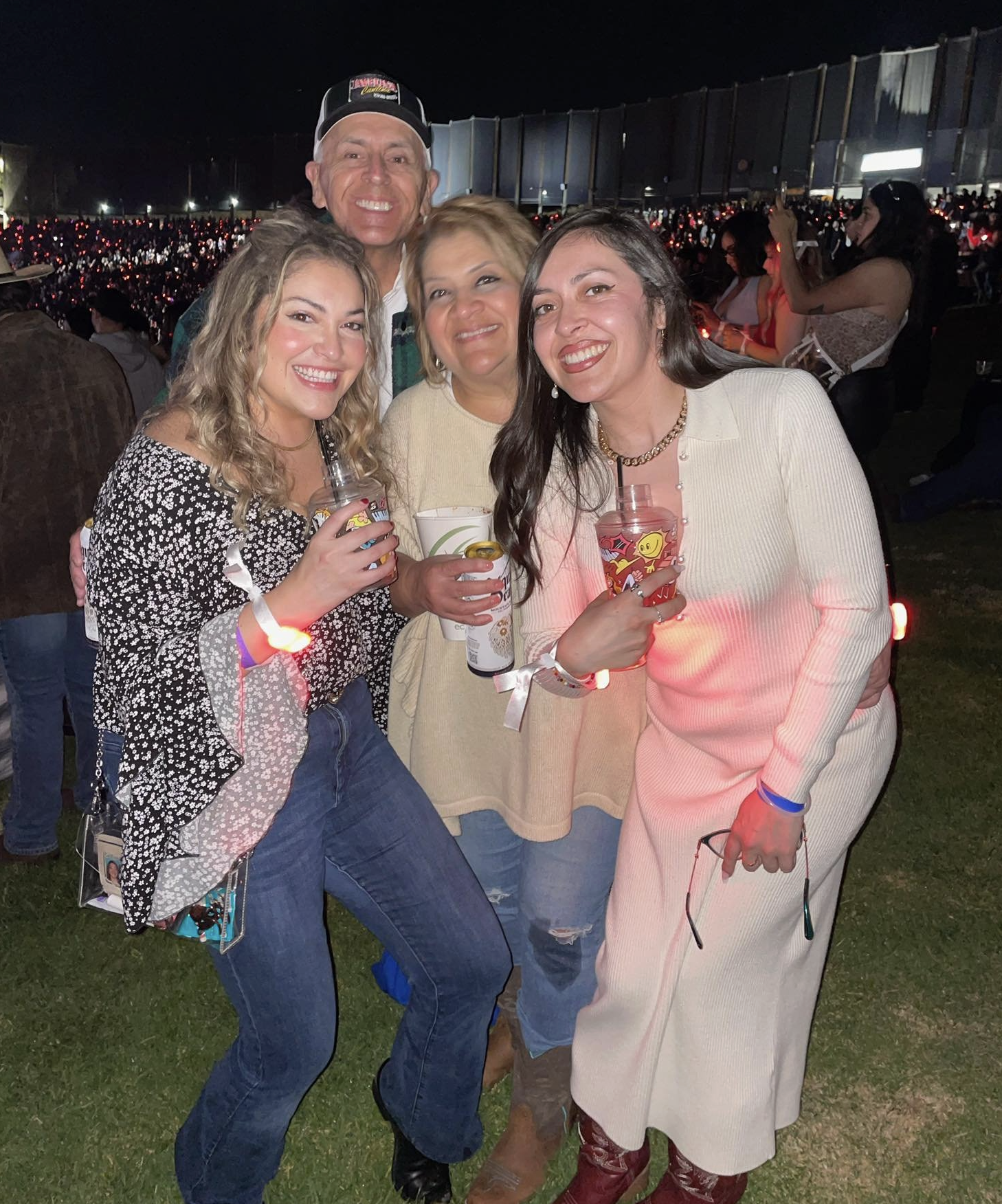
Sandra, Marisa, Erica, and I were streaming Modern Family the other night. It was a scene right out of the 1970s, when families gathered around the TV to watch their favorite shows. The smart TV screen is much bigger and clearer than my family’s 25-inch console in 1976, and there were no commercials. Otherwise, the vibe was the same. We were laughing out loud at every outrageous situation the show’s colorful characters created for themselves. 

Almost 16 years earlier, I couldn’t imagine that family scene unfolding. In 2010, we didn’t have such a large and sophisticated television, nor was streaming a regular part of our entertainment choices. Those aren’t the reasons for my lack of imagination. During that summer, I was in the ICU fighting for my life, uncertain if I would survive another day. God’s intervention, an amazing healthcare team, and a heart transplant in 2020 made our Modern Family binge night possible.

Before my health crisis, I wasn’t a registered organ donor. The thought never crossed my mind. I wasn’t alone. According to the Health Resources & Services Administration, about half of American adults are registered organ donors, about 170 million people. That sounds like a lot of people. On the downside, over 100,000 critically ill men, women, and children are waiting for an organ to save their lives. At least 13 people die every day as they wait.

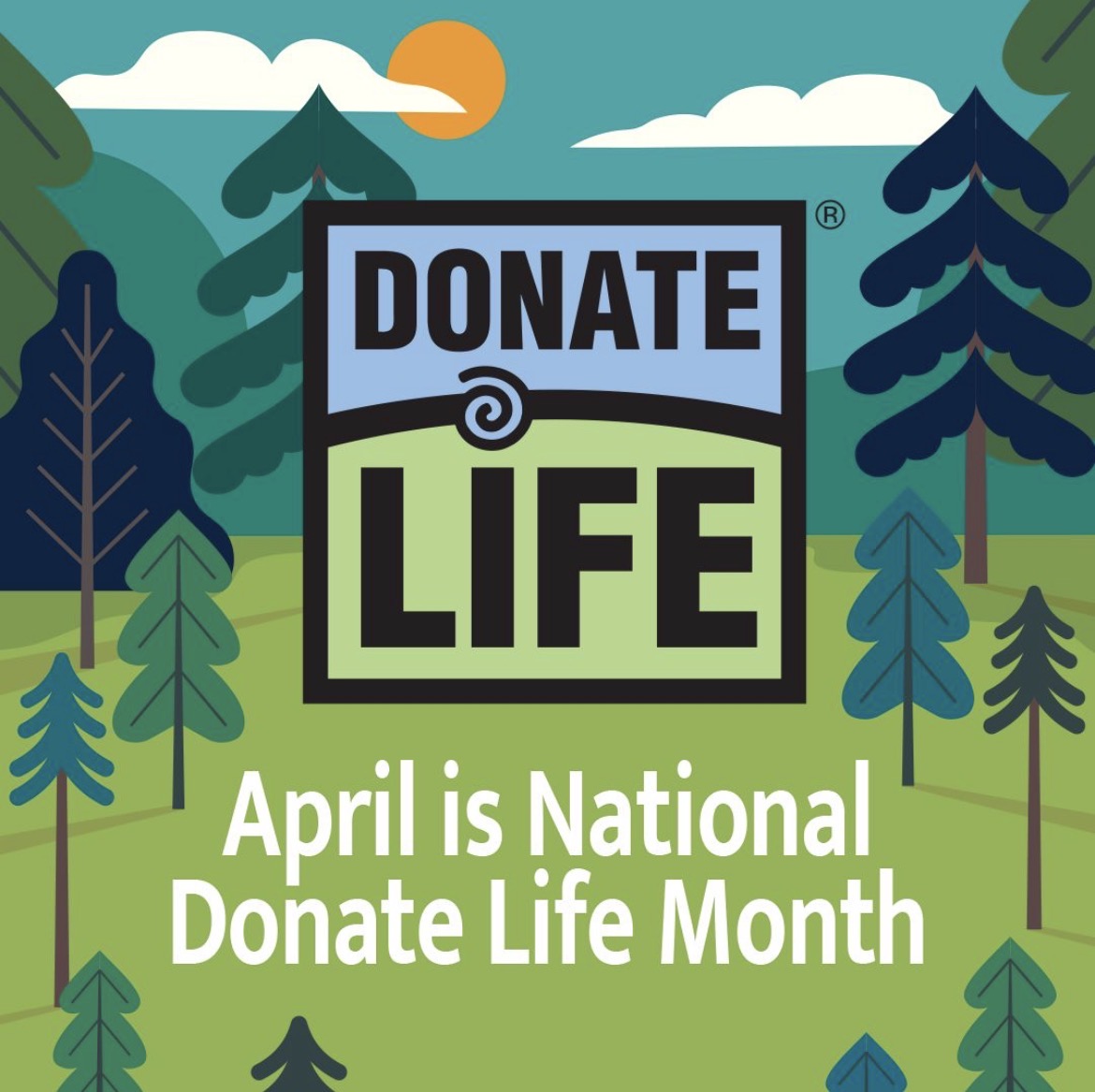
In 2003, Donate Life of America, a national nonprofit organization, established and designated April as National Donate Life Month, “to honor deceased and living donors, encourage registration, and educate the public about the life-saving impact of donation.” Congress followed suit in 2024 by instituting an annual resolution recognizing and celebrating National Donate Life Month.

Since the 2010 health crisis and my 2020 heart transplant, organ donation is always on my mind. My post-transplant life has been full of faith, hope, love, activity, joy, sadness, anxiety, celebration, long walks, and extended periods of just living. All of these things were unimaginable a decade and a half ago. The very thought of living with a heart that wasn’t in my chest on the day I was born is profound. The fact that someone lost his life so I could live is humbling.

April is a special month for me. My transplant was on April 16. The nation honors organ donors and living donors and encourages everyone who’s able to register. I try to do my part, too. 

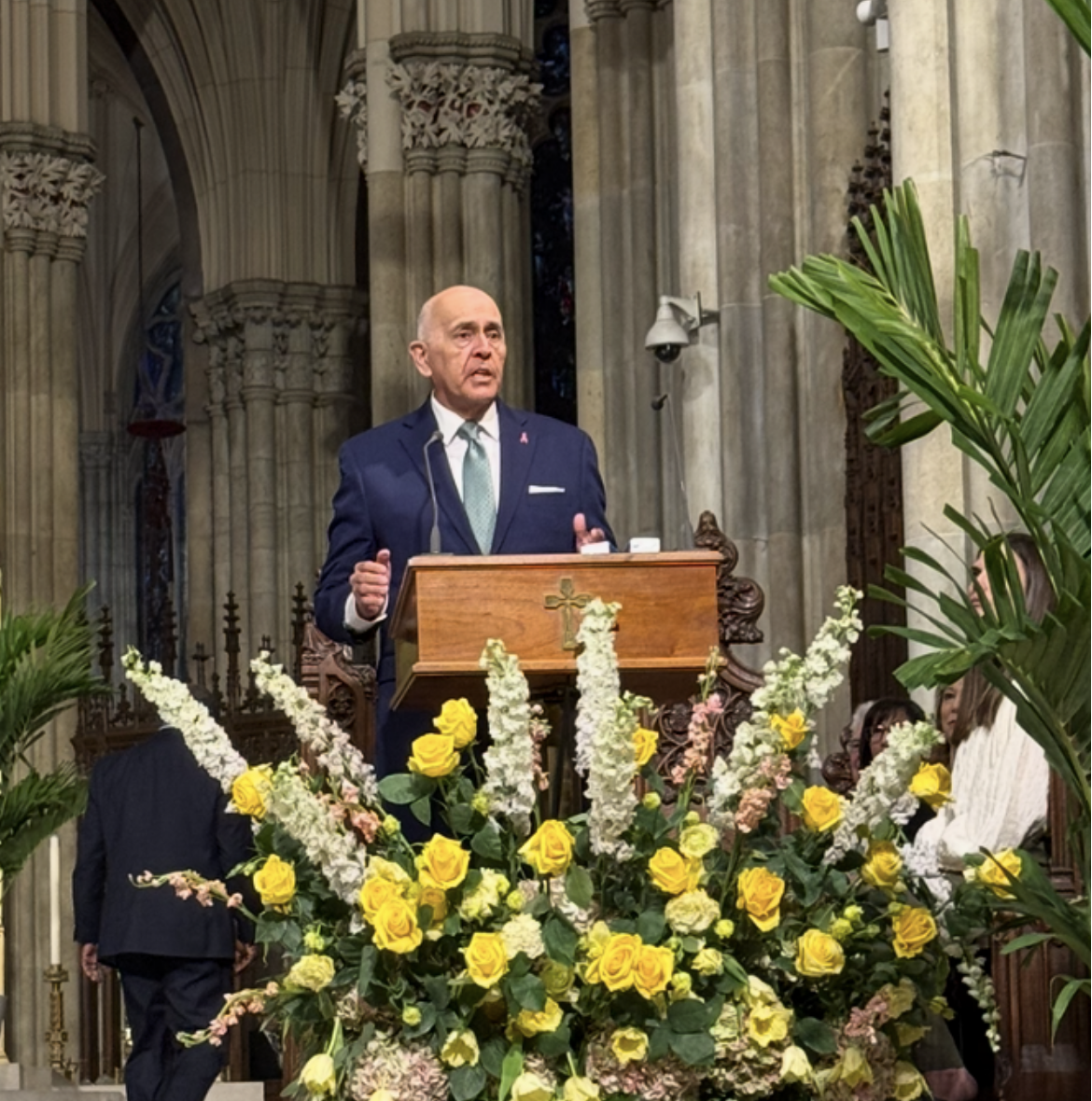
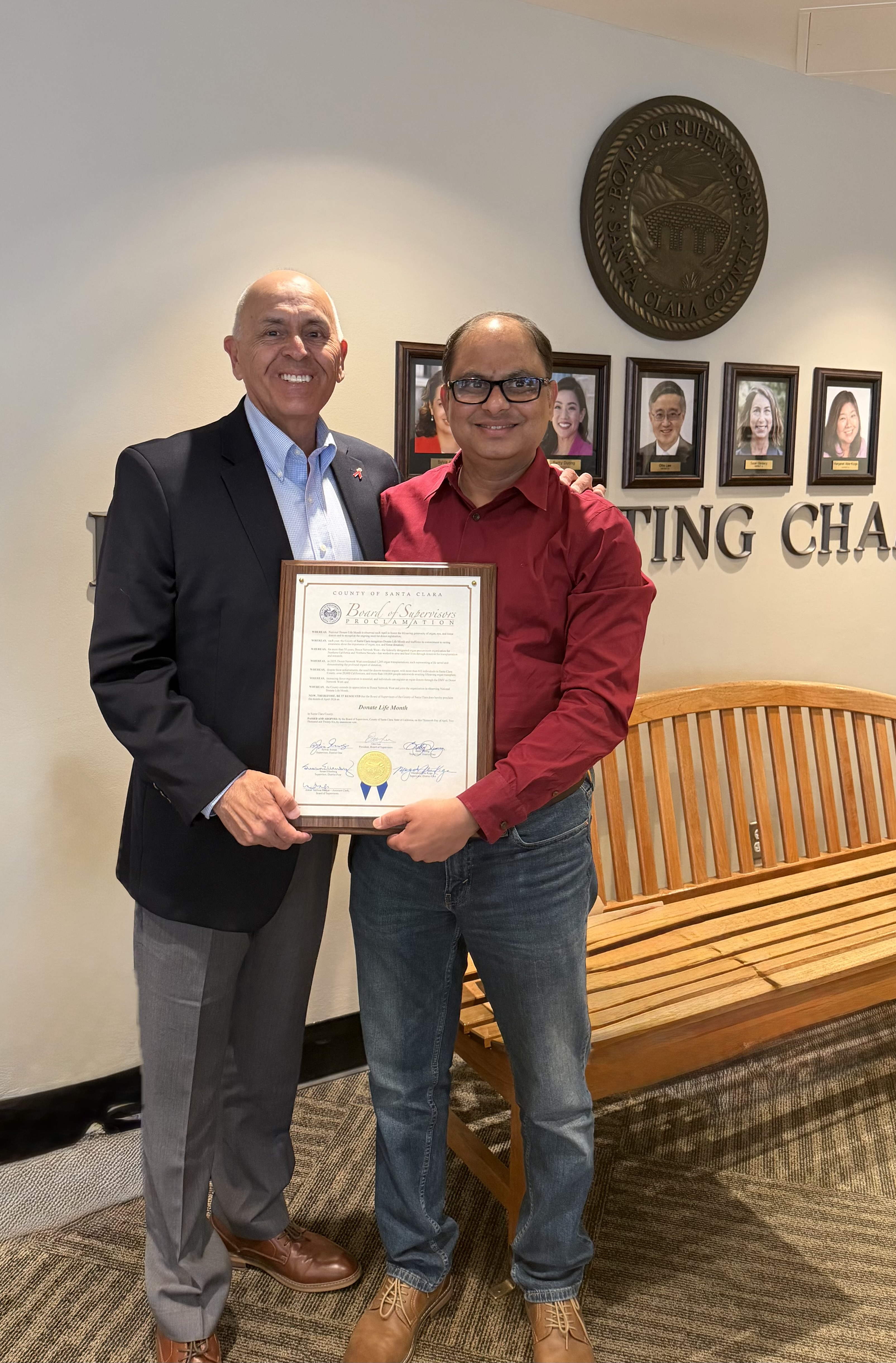
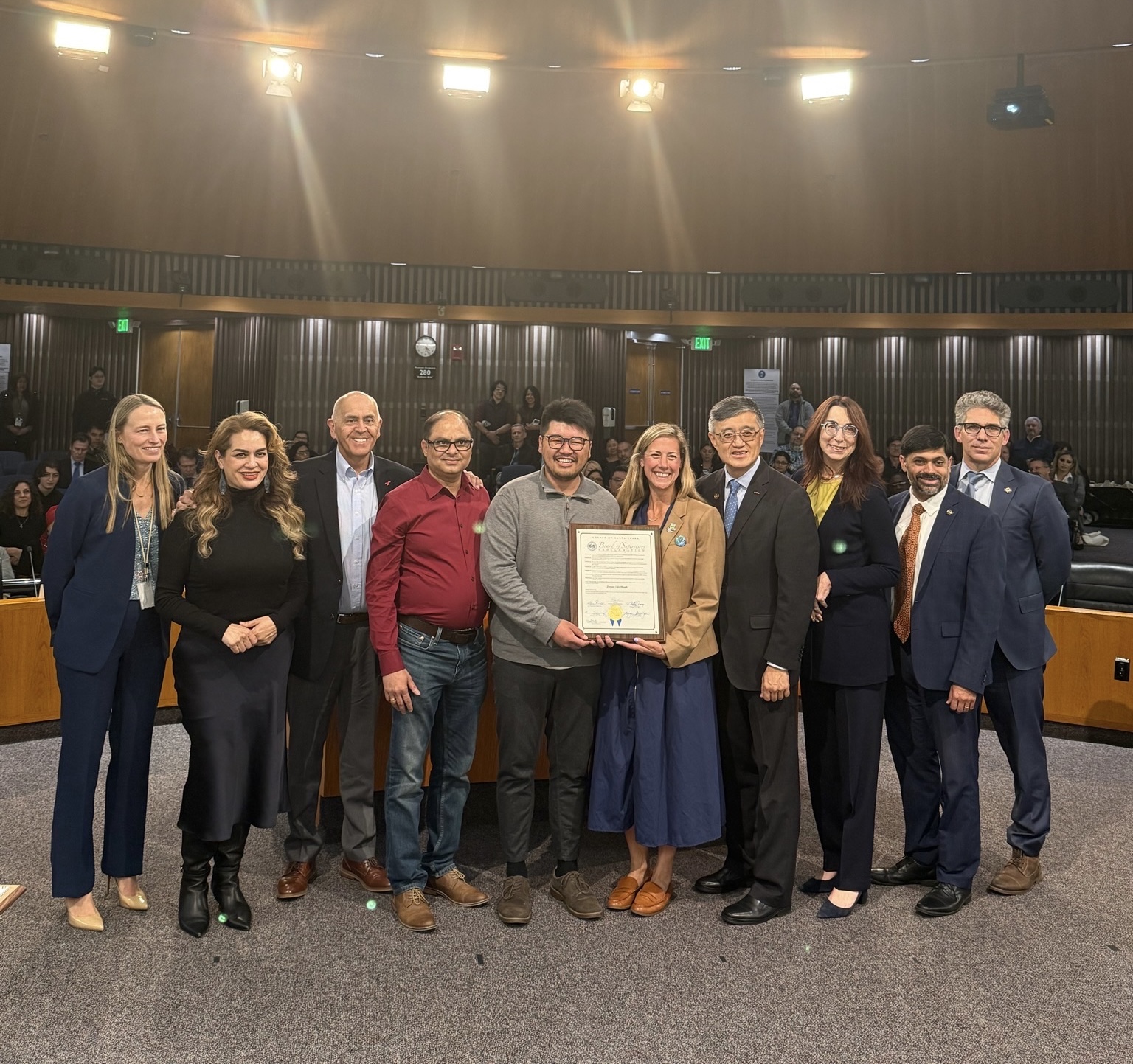
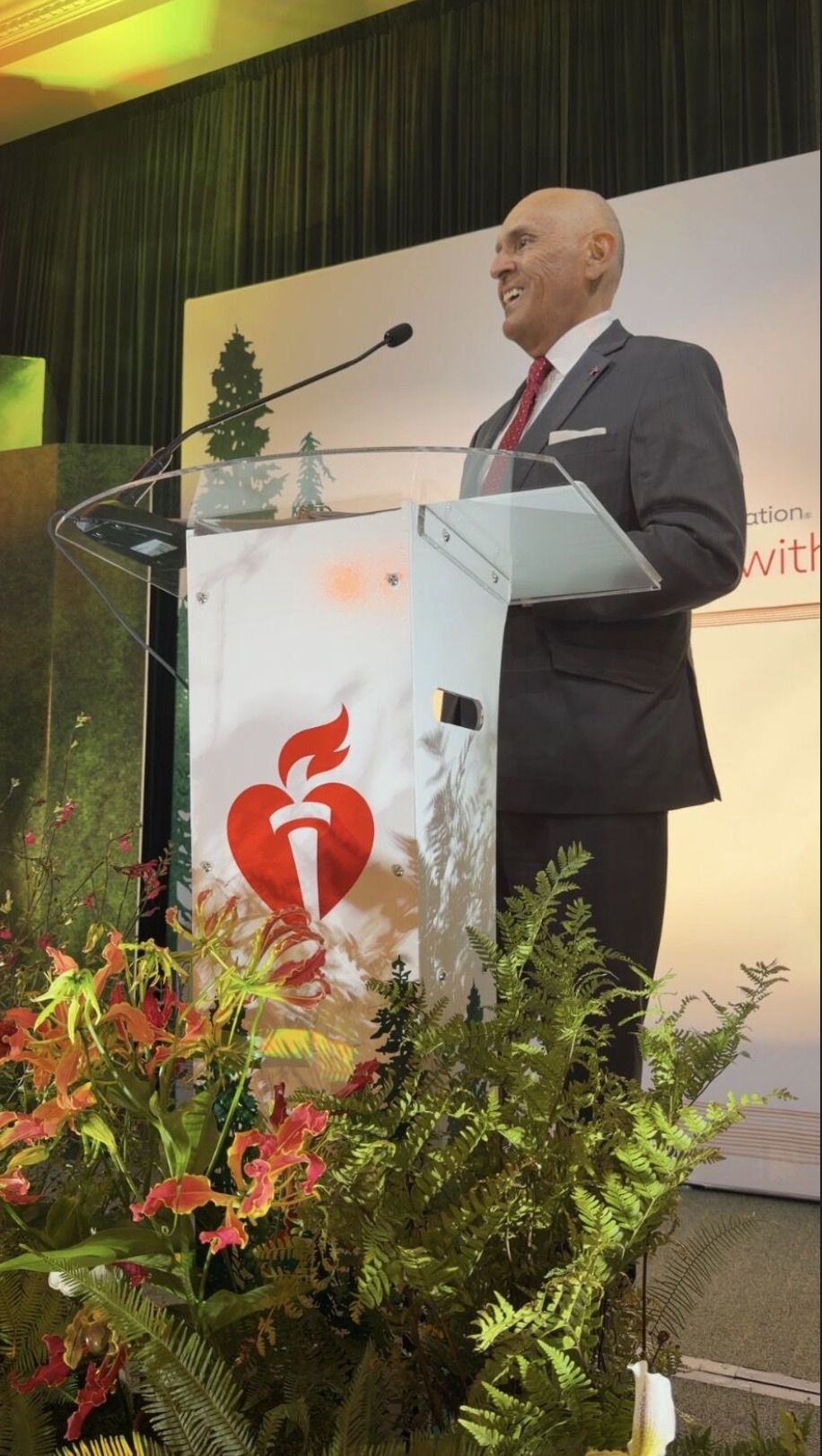
This year, Donate Life Month started two days early for me. On behalf of Transplant Recipients International Organization, I opened the 29th Annual Remember and Rejoice Ceremony before a standing-room-only St. Patrick’s Cathedral in New York City. On April 13, as a volunteer for Donor Network West, an organ procurement organization, I participated in the County of Santa Clara Board of Supervisors’ proclamation for Donate Life Month ceremony with a fellow Kaiser Santa Clara heart transplant patient. Before Donate Life Month ended, I had the honor of addressing construction industry leaders at the 10th Annual Hard Hats with Heart fundraiser sponsored by the American Heart Association.

The majestic cathedral in Midtown Manhattan, the board of supervisors chambers, and the elegant Claremont Hotel in Berkeley are all special places. Places I could never have imagined being in as a kid, much less after the Summer of 2010. Wearing tailored suits while rubbing elbows with national transplant advocacy leaders, local elected officials, and industry executives is cool.  

Despite the excitement of public pageantry, the best part of Donate Life Month 2026 was sitting with Sandra, Marisa, and Erica, and watching Jay, Gloria, Manny, Mitchell, Cameron, Lily, Claire, Phil, Haley, Alex, and Luke bring us joy, laughter, and happiness with their crazy onscreen antics. Without a selfless human being who thought of spreading God’s love by sharing his organs for the sake of strangers after he passed through this life, I wouldn’t have had that special moment with my family.  

Thank you to my anonymous donor and his family. Your love of humankind has changed many lives. I encourage everyone who’s reading this blog who hasn’t already registered to be an organ donor to register today here!

Happy Donate Life Month!

Happy Idaho Day: Part 6

Happy Idaho Day!

***

Congratulations, Mr. Garcia. You have a new heart! It’s working great. You have a Ferrari in your chest. ~Dr. John MacArthur, Stanford Hospital, April 16, 2020

*** 

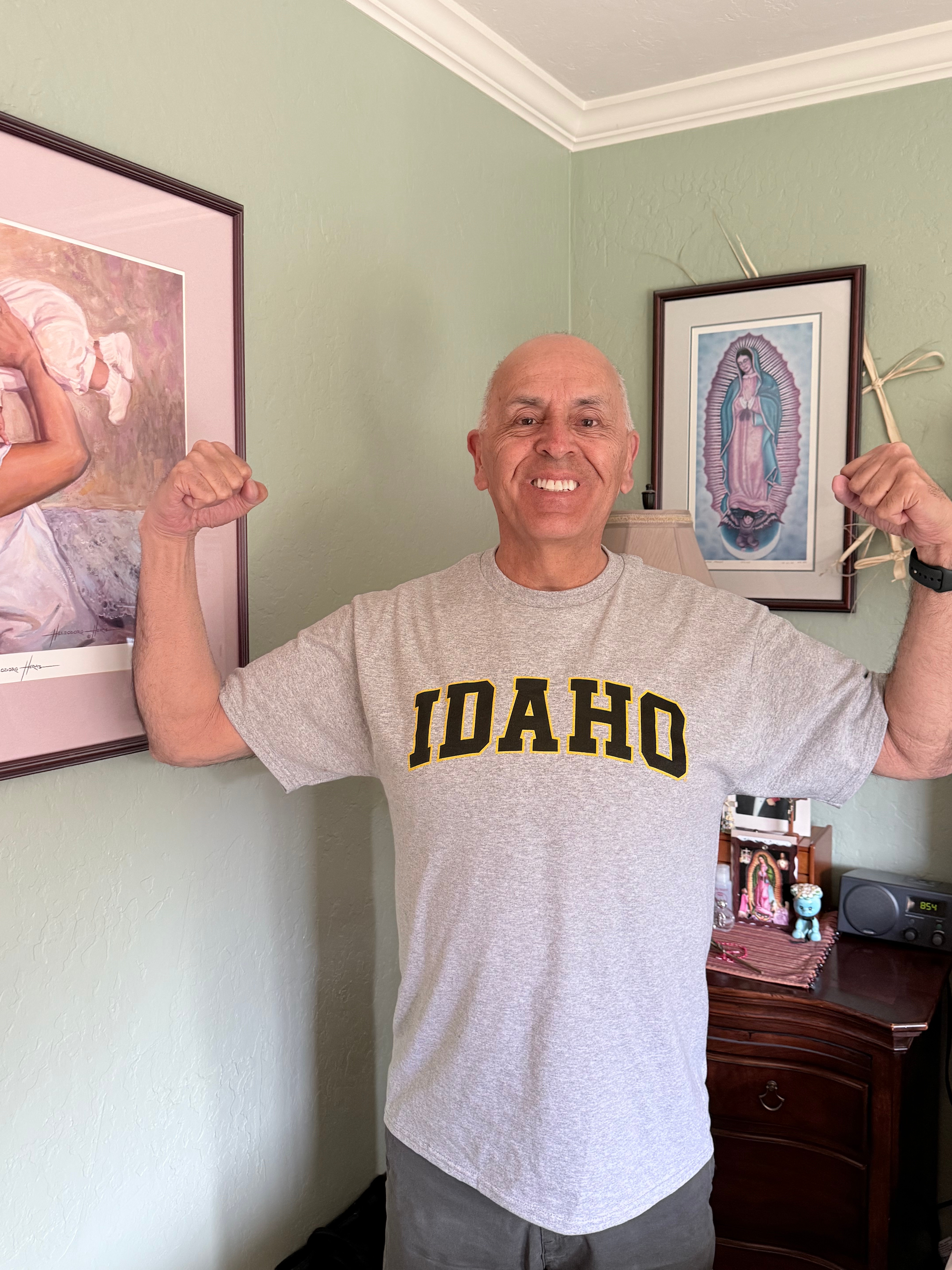
I think about Idaho every day. If you don’t know Idaho, you can meet him by clicking here. He’s my ride-or-die partner. When I wake up in the morning, the first thing I do is thank God for Idaho. If I have to catch my breath while exercising, I think… uh-oh, is Idaho OK?

I want to talk about him all the time, too, but keep my thoughts to myself. I don’t want family and friends to feel like Jan Brady. “Idaho, Idaho, Idaho.”

Idaho came into my life (and my chest) six years ago today. I’ll never forget the surgeon’s big smile. I’ll never forget his words. “Congratulations, Mr. Garcia. You have a new heart! It’s working great. You have a Ferrari in your chest.” He was happy. I was confused. 

Confusion quickly morphed into depression, the deep kind. Idaho saved my life. I believed that I had ruined it. I could no longer provide for my family in the same way and at the same financial level. I would be a burden. I no longer provided value to others. I had no worth. Idaho kept ticking.

I was lonely. People were struggling with COVID. They didn’t have Idaho (or me!) on their minds. My phone stopped ringing. I sank deeper into the abyss of self-doubt. Despite my foul mood (actually, acting like an ass might be more accurate), Sandra, Marisa, and Erica cheered us on. Idaho kept ticking.

It was a rocky start. The daily follow-up appointments with the great post-transplant team at Kaiser Santa Clara soon became weekly, then monthly appointments. The numbers looked great. Idaho was strong. Although I wanted to give up, Idaho kept ticking.

The amazing nurse practitioner managing my case gave me the tools to keep Idaho healthy and strong. Taking immunosuppressant meds three times a day, walking at least 30 minutes every day, and eating a heart-healthy diet consumed my life. I still didn’t feel well. Idaho kept ticking. 

Sandra suggested psychotherapy. My macho Latino mind said, “I don’t think so.” The nurse practitioner agreed. My therapist was a godsend. She helped me recognize that I wasn’t a failure. I wasn’t worthless. I wasn’t a burden. It took many psychology exercises and a couple of years to get to that point. Idaho kept ticking.

As my mind cleared, I could feel Idaho’s strength and energy. My walks soon became hikes on hilly trails. With an uncluttered mind, I turned to things I love doing. Reading, writing, and thinking occupied my days. I was working again, but not getting paid. And that was ok. Idaho kept ticking.

Working and not getting paid? What a novel thought! That didn’t register in my 48 Viewmont Avenue mind. More therapy. More psych exercises. I started having fun. Idaho and I had a miraculous story. We could give people hope by sharing it with the world. As my thoughts swirled with ideas, Idaho kept ticking.

We published Summer in the Waiting Room: Faith ∙ Hope ∙ Love on the 12th anniversary of the heart attack that started my heart failure journey. The phone started ringing again. “Would you like to travel to Washington, D.C. to advocate for transplant patients?” asked the person on the other line. Idaho kept ticking.

We walked up and down Capitol Hill, sharing our story. Idaho performed like a champ. The phone kept ringing. Speaking to a group of sales execs in Seattle, we got a standing “O.” We shared our story virtually with groups in Connecticut, Michigan, and Southern California. Last month, we shared our story with 2,400 people – friends and families of organ donors – at St. Patrick’s Cathedral in Midtown Manhattan. This East Side Catholic boy still can’t wrap my mind around that. Idaho kept ticking. 

Spending time with Sandra, Marisa, and Erica became more meaningful as I began to accept that being the breadwinner didn’t define me as a husband or a father. Sandra and I have gone on getaways to Philadelphia, Seattle, and Cancun. We often have dinner together as I listen to the school superintendent, political consultant, and high school art teacher regale me with stories about their challenging, yet rewarding, days. Idaho kept ticking.

Is life now perfect? Nope. Not by a long shot. I’m a worrier. I still worry. I still have this ingrained belief that I have to do more. I still wonder how long Idaho will keep me going. The chaos in our world makes me anxious. As gas and grocery prices continue to skyrocket, money again is seeping into my thoughts. Idaho keeps ticking.

The good news is that my 6th annual post-transplant evaluation showed that Idaho is still working like a Ferrari. Taking care of a transplanted organ requires discipline, commitment, and hard work. The better news is that Sandra, Marisa, and Erica still give me hope and purpose to keep soldiering on. The best news is that Idaho is still ticking!

Happy 6th Heartiversary, my friend!

Happy 2026: Now Let’s Get to Work!

Recent studies increasingly demonstrate that working in later years is beneficial for maintaining cognitive functioning including memory, mental health, and physical functioning.

~National Institutes of Health, 2013

* * *

Making a New Year’s resolution never really appealed to me. I stubbornly refuse to participate in the annual tradition of promising to do something that may or may not happen. A New Year’s resolution is a delusion of grandeur that usually and ultimately results in disappointment and self-judgment. The most common promises include: I’ll go to the gym everyday. I’ll lose weight. No more fast food. Church every Sunday.

These commitments are hard to keep. I’d rather not make them.

Twenty-two years ago, I learned how to write a Personal Vision and Mission Statement while participating in an executive training program. The statement looks like the outline students are supposed to prepare before writing a term paper in English composition class. Here’s how it works: The vision is like a thesis statement and the mission provides the main points and body of evidence for the essay. Goals and objectives fill in the detail.

I first used the model to create a game plan for my career. I updated it on an annual basis after analyzing the previous year’s goals and objectives. It worked like magic. Within two years, I achieved a professional stature that was unimaginable as a kid or college student. After my 2010 medical crisis, I reworked the statement and began updating it annually to manage heart failure and my personal life. It worked like a charm. I’m still alive and kicking.

For the past five years, managing my transplant and work activities has been pretty stable. I just had to make made minor adjustments to my Personal Vision and Mission Statement. Last year, I decided to retire from the Latino Leadership Alliance Academy (LLA) after 21 years working on my passion project. I also completed my work for the Hispanic Foundation for Education (TFHE) in 2025 after eleven years as a consultant. Both changes left a big hole in my personal vision and mission. 

Although I effectively retired after the heart transplant in 2020, facilitating the LLA Academy and supporting TFHE student leadership activities were big parts of my personal vision and mission. As a recovering workaholic, I truly believe that work is important to maintain physical and mental health.

A 2013 National Institutes of Health (NIH) report corroborates “that working in later years is beneficial.” Of course, like any compulsive behavior, learning moderation is the key. The NIH report recommends that as well. Since my number one priority is to stay healthy for my family, some work activities, in moderation of course, will be part of my vision and mission. I’ve identified a couple of projects to fill the void left after stepping away from longtime passion projects.

I hadn’t shared this most intimate working document until I posted my 2020 Personal Vision and Mission Statement on this blog six years ago. Since then, I’ve used it as a learning tool for LLA Academy participants. Today, I put myself on blast again by sharing my vision and mission to inspire others to turn New Year’s resolutions into action plans and give some hope to those facing life’s challenges. Updating my Personal Vision and Mission Statement for 2026 required some thought to address changes in work activity. With that said, here is my 2026 Personal Vision and Mission Statement:

My personal vision for 2026 is to stay healthy while working to inspire others to thrive. To accomplish this vision, my mission is to live with faith, hope, and love.

Goal #1: Living with Faith

In his Letter to the Hebrews, St. Paul the Apostle wrote, “faith is confidence in what we hope for and assurance about what we do not see.” I have no idea how long God will allow me to do work, but I have faith it will be until He determines my work is done. To that end, I’ll work on a couple of projects in 2026. 

Sandra, our daughters, and I established The Corazón Collective last year. It’s a nonprofit organization that seeks to provide support to Latino cardiac patients and their families. I’ll work on planning, raising funds, and building the organization this year. 

I’m also working on my second book. It’s the story about how a group of Mexican American civic leaders envisioned and built the Mexican Heritage Plaza in east San Jose during the 1990s. Last year, I started doing research for the book. My research included conducting personal interviews with  people who worked on the project, rummaging through online archives, and reviewing personal papers at the Dr. Martin Luther King, Jr. Library at San Jose State University special collections. The Mexican Heritage Plaza: A Symbol of Resilience and Perseverance is scheduled for publication this spring. 

Goal #2: Living with hope.

St. Paul is also my inspiration for hope. His Letter to the Romans teaches us to “rejoice in our sufferings, because we know that suffering produces perseverance; perseverance, character; and character, hope.” I didn’t expect to have a life-changing heart attack sixteen years ago. But I did. I decided early on to take St. Paul’s advice about hope. So I persevered. Hope is on the agenda again for 2026. 

Taking care of a transplanted heart requires perseverance. Day in and day out. As best as I can, I’ll maintain a low-fat, low-salt diet and try to drink 96 ounces of water every day. My objectives are to walk 10,000 steps five days per week and do resistance training for three days. Exercising my mind and soul is also part of the plan. Books on my reading list, reading the daily gospel and other reflective works, and meditation on a daily basis are good for the spirit. 

Another objective to living with hope and nourishing my soul is getting together with friends more often – old and new – and doing fun things like playing golf, shooting baskets, and catching a few sporting events in person.  

Goal #3: Living with Love

Evangelist Billy Graham described God’s love as “a deliberate decision on our part to put others ahead of ourselves.” My 2026 Personal Vision and Mission Statement includes serving others.

Staying healthy will help me be present and spend quality time with Sandra and our daughters. Good health will also allow me to be the loving father and husband they deserve. I’ll be available to support the girls in every way as they chart their own lives and careers and be a partner with Sandra to maintain our household.

A couple of years ago, I had the amazing privilege to advocate on behalf of transplant patients in Washington, D.C. I will continue to serve the transplant community on the board of directors for Transplant Recipients International Organization (TRIO).

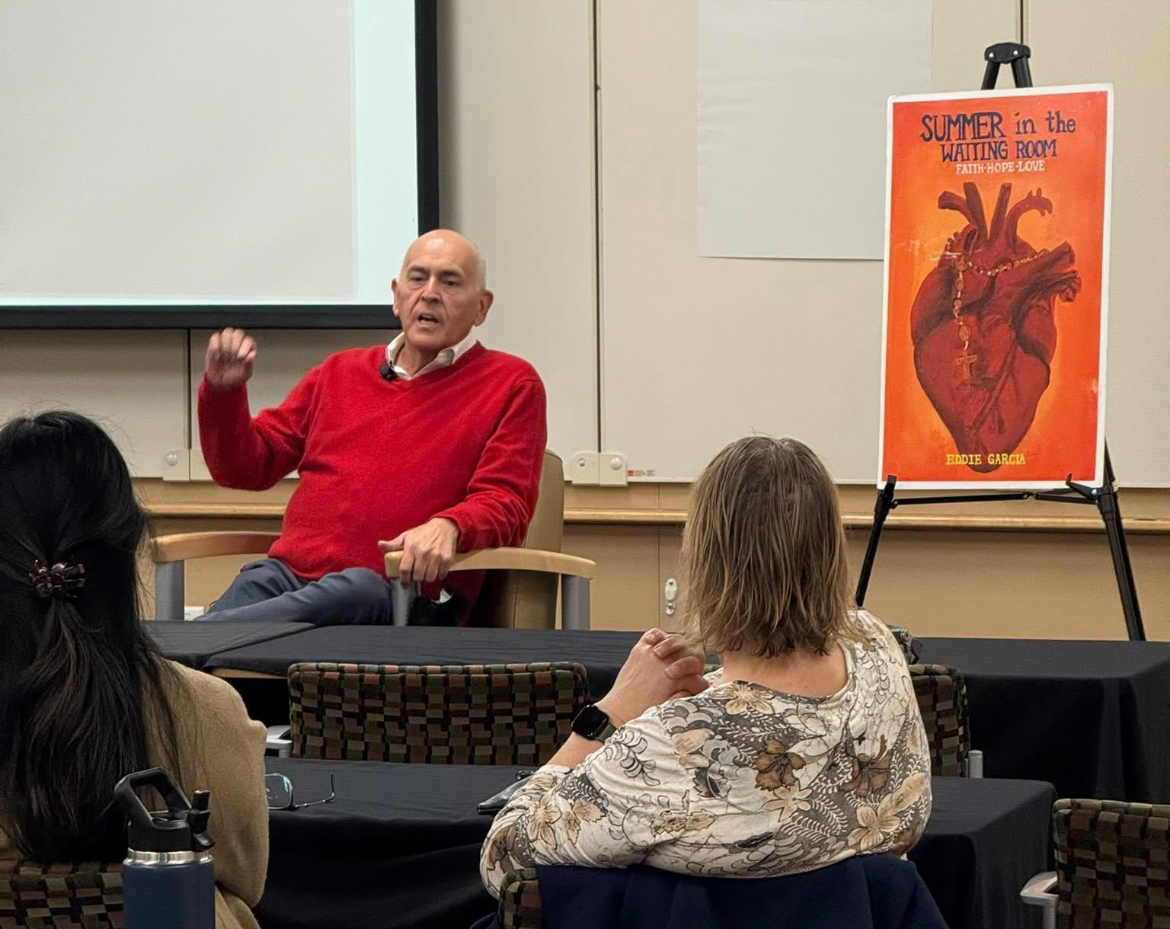
Since the publication of my book, Summer in the Waiting Room: Faith • Hope • Love, I’ve been able to share my story as an inspirational speaker. I plan to share my story of hope at speaking events throughout 2026. My first scheduled speaking engagement for this year is the 29th Annual TRIO Remember and Rejoice Ceremony at St. Patrick’s Cathedral in New York City on March 28.

In addition to nonprofit work and speaking opportunities, I’ll continue to mentor Latino and Latina professionals interested in career advancement and civic leadership. 

***

Can I get it all in? I don’t know. But, there will be no New Year’s resolutions for me. My 2026 Personal Vision and Mission Statement will be my roadmap for a meaningful year full of faith, hope, and love. Of course, God will be the final word on my activities for 2026. If He takes me in a different direction, I’ll follow His lead.

Roots at Harmon Park

My parents (Lico and Marie) met on a late summer day in 1949 when Mom went out to the neighborhood park with a cousin to watch some boys play baseball. Mom caught the eye of Dad as he strutted around the diamond with a smile that could be seen across the field. He was calling at my grandmother’s front door the next morning, respectfully asking permission to talk to my mom.

~ Summer in the Waiting Room: Faith • Hope • Love, page 11

* * *

I remember being a  little boy playing by myself with toy cars on the sandy dirt in the hot desert sun. Every few minutes or so, I stopped to marvel at the jumbo jets that roared just above my head and the roof of the small house on the south side of Phoenix, Arizona. After dark, I would go inside and endure the humidity caused by the old swamp cooler that was supposed to refresh those inside from the suffocating heat. Like clockwork, every few minutes or so, an airliner departing Phoenix Sky Harbor Airport shook the little home as its jet engines boomed above.

Those are the most vivid memories I have of visiting Grandma and Tía Lipa in the early 1970s. My parents grew up in South Phoenix and met there in 1949. I have many first and second cousins in Phoenix. Dad was the youngest in his family and I’m the fifth of six siblings. Due to distance and a huge age gap, I never developed relationships with my Phoenix kin, especially after my parents passed away. More recently, we have been connecting via social media. I hadn’t been there since the late 1970s, until two weeks ago. 

The occasion was my cousin Rojelia’s 80th birthday. The birthday girl’s mom was Dad’s older sister. It was an event many months in the planning. My big sister Barbara organized the Lico and Marie García delegation. As I’ve chronicled on this blog and in my book, the past 14 years have been a roller coaster of emotions for me. Faith, hope, love, and mindfulness have been the bedrocks on my post-transplant journey. Making a pilgrimage to Phoenix, Arizona wasn’t on my radar. Barbara persisted and Sandra insisted. How could I say no?

Sandra and I took an early morning flight out of Mineta San Jose International Airport for the three-day event. Landing at the Phoenix Sky Harbor Airport had no special significance. We arrived in time for a big party (Dad’s parents had 42 grandchildren!) at the Veterans of Foreign Wars, Post 41 in South Phoenix on Saturday. Relatives from all over the United States danced the night away to a DJ and a live band after dinner. 

I had a blast catching up with California cousins I hadn’t seen in more than a decade. We were sharing and laughing at the same old stories that made us laugh every time we got together. Seeing others with whom I’ve been connecting with on Facebook was nice. It was the first time I’d seen many of them since the last García family reunion in San Jose 42 years ago. The 1982 reunion weekend gave me a sense of grounding to something bigger than my immediate García family. That had slowly dissipated during the past four decades, until two weeks ago.

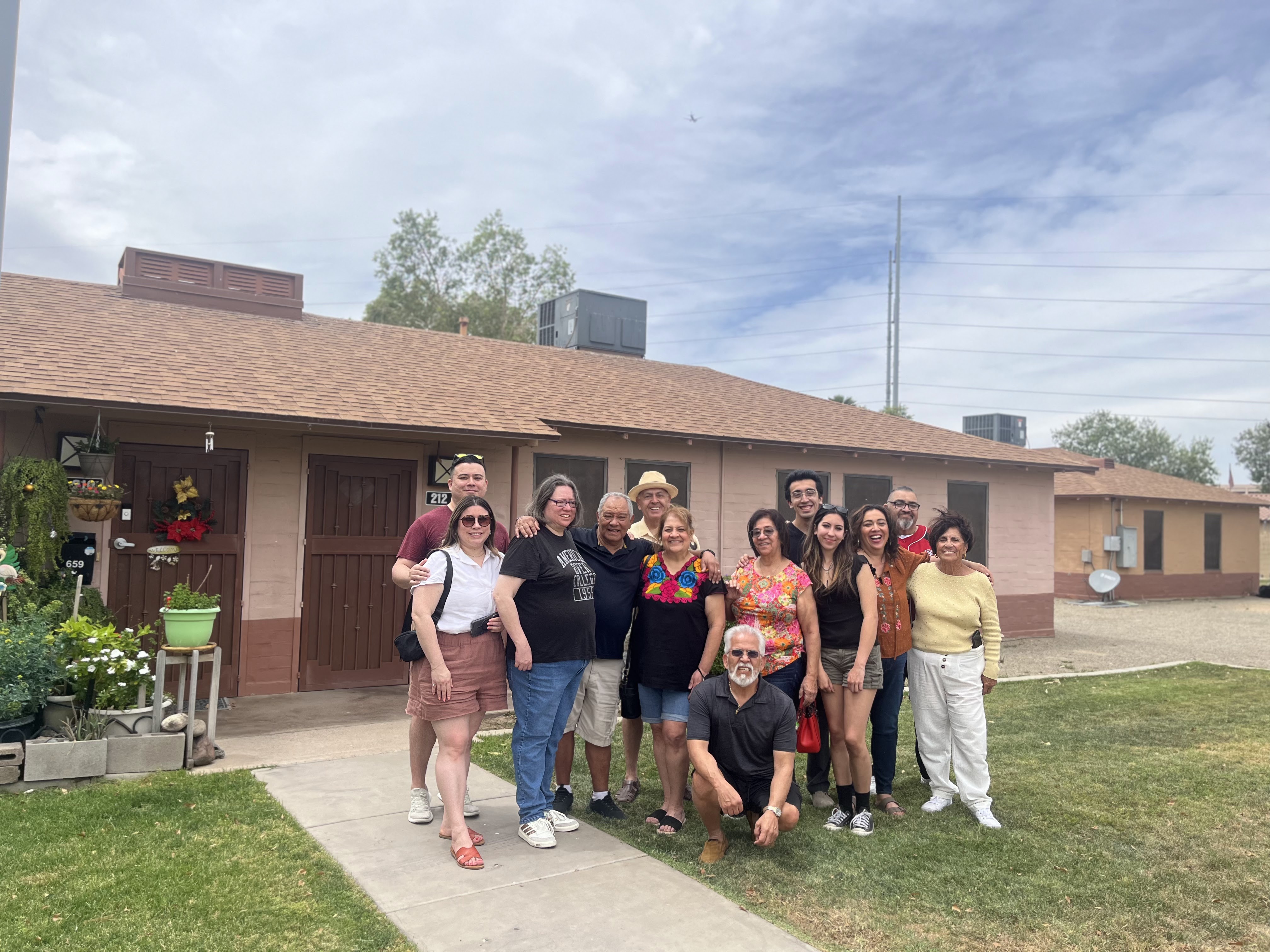
On Sunday morning, after breakfast at VFW, Post 41, Barbara and Rojelia led a tour of my parents’ South Phoenix neighborhood. As we slowly drove by the house Mom grew up in on West Pima Street, the first thing I noticed was a jet leaving the airport. Suddenly, the tour stirred something in my soul I couldn’t recognize. Two blocks away, kitty corner to Mom’s house, stood the projects Dad called home throughout his youth. We got off the car and entered the complex as another jumbo jet climbed into the sky.

The pre-WWII buildings looked like army barracks facing an inner courtyard. After some debate about which apartment belonged to our grandmother, we settled on apartment #212. Rojelia recounted how she was born in the one-room living quarters in 1944. She remembers being a mocosa (snot nosed kid) watching Mom and Dad taking wedding photos in the courtyard. “It was all so elegant,” Rojelia reminisced. 

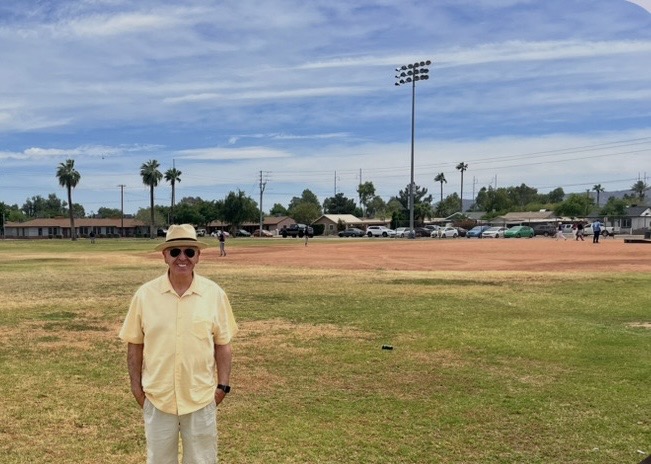
Mom had a collage of that day hanging in our small living room when I was a kid. We were standing and taking pictures of our own on the very spot where Mom and Dad celebrated their wedding day 74 years ago . . . I was transfixed! We whipped our cars around the corner and stopped at Harmon Park. My cousin told us that the baseball field at Harmon Park is where my parents met. 

I wrote the passage on page 11 of Summer in the Waiting Room about my parents meeting at a park from memories and family oral history. I may have been to Harmon Park as a young boy, as I vaguely remember walking to a baseball field during the trips we made to visit Grandma and Tía Lipa. But, two weeks ago was definitely the “first time” I’ve been there. There was a baseball game in progress. I could picture Dad “as he strutted around the diamond with a smile that could be seen across the field,” and I could see Mom demurely smiling from the bleachers. 

Barbara woke me up from my trance when she said, “I didn’t know you loved airplanes so much.” She mentioned that I looked up at every airliner that flew by. I mumbled something about how the sound reminded me of our visits from over 50 years ago. It was another way of saying, “I love those jets flying out of that airport. The boy playing with toy cars in the sandy dirt had come full circle to South Phoenix.

When mom passed away in 2003, eight years after Dad, I felt empty inside like a hot air balloon floating through life without an anchor. I focused on my home base in East San Jose and the home Sandra and I were building with our daughters. That foundation created a strong tree trunk of our little family tree. But there weren’t any Mom and Dad roots. Through the years, we visited California’s central valley where Sandra’s parents started their story. I have friends who have ventured back to their roots in Texas, Mexico, and a Native American reservation in Northern California.

I was quietly envious of the stories they brought back. As a man, I didn’t have the experience of “this is where it all started.” Until two weeks ago. Standing in the park where my parents met some 75 years ago was amazing. I looked to my left and saw Mom crossing West Pima Street on her way to a baseball game. I looked to the right and saw Dad running across 3rd Street to meet his teammates on the diamond. Between those glances, I watched each jetliner fly by above. I felt the roots of the Lico and Marie García family beneath my feet.

We finished the tour at St. Anthony’s Church, where my parents were married in 1950. It’s just two blocks north of Harmon Park. It was cool, but a little anticlimactic after the cathartic experience at the baseball field. The next afternoon, Sandra and I were securely buckled in our seats on American Airlines Flight 1667 when the jet engines roared as the plane screamed down the runway. Less than a minute after lift off, we soared above the little house on West Pima Street, the projects on 3rd Street, and Harmon Park, where my roots are firmly in place.

It was a three-day whirlwind of emotions for the ages. Connecting with family members I hadn’t met and reconnecting with others I hadn’t seen in decades was special, especially since we all descended from a matriarch who lived in a public housing one-room unit. I don’t know if or when I’ll return to South Phoenix, Arizona, but I’ll always cherish this trip. Thank you, Barbara for persisting and thank you, Sandra for insisting. I love you both. And, yes. I love those jets flying out of that airport.