We know that we are children of God, and that the whole world is under the control of the evil one. ~1 John 5:19
We also glory in our sufferings, because we know that suffering produces perseverance; perseverance, character; and character, hope. ~Romans 5:3
So faith, hope, love remain, these three; but the greatest of these is love. ~1 Corinthians 13:13
* * *
Heart attack. Cardiac arrest. Lung failure. Ventilator. Induced coma. Paralysis. Physical therapy. Occupational therapy. Speech therapy. Heart failure. Heart pump. Heart transplant. Organ rejection. Whew! That was a long ride . . .
January 8, 2025 was a good day. A dear friend and role model called my name. I stood behind the wide podium. Over 400 Rotarians listened and watched slides of my ordeal pass by on a big screen. Heart disease is the world’s unmatched killer, I said. Not cancer. Not accidents. We can conquer it. What are we to do? Hope is the answer. Yup, I said that. Hope is the answer.
Not whimsical desires we all crave when the chips are down. Not that hope. Rejoicing in suffering. Persevering. Building character. That’s the hope I talked about. The audience stood. Applauded. Gratitude filled my soul. “What’s next?” A shout came from the back of the room. I’ll walk to the elevator. Then take a drive to see a sick friend. The answer came from the podium.
An hour later, I was on the other side of the hill. My dear friend had cancer. Cancer is #2! He was a mentor. A champion. A good man. He made the pressures of the ladder bearable. Even fun. He was dying. The doctor checked his vital signs. His family stood and sat in vigil. Morphine kept him comfortable. He was serene. He didn’t recognize me. My voice raised his eyebrows. Maybe he recognized me. Maybe not. I shared a funny story from the executive suite. He let out a faint grunt. Maybe he laughed. Maybe not. I held his hand. I thanked him. I’ll see him again. Not sure when. Not my call.
Dinner with Sandra and the girls was nice. January 8, 2025 was a good day.
January 11, 2025 was a good day. I climbed the ladder. Christmas lights had been up for a month. Climbing ladders gives me pause. Many years ago, a dear family friend fell from his roof after climbing a ladder. He passed from this life to a better one. It was sudden. It was shocking. Accidents are #3! I climb ladders anyway. It’s God’s call. When I climb, I’m extra careful. Not too high. On solid ground. Hooks and lights come down. One at a time. Don’t lean Eddie! I’m not 30 anymore. Break time. Back up the ladder I go.
Social media tells us that life is wonderful. Exciting! Amazing! John tells us that “the whole world is under the power of the Evil One.” Which one is it? Tinseltown is an inferno. God’s home on earth is submerged in ash and rubble. Wars of conquest are in fashion again? The Orange One is soon back in the saddle. His supporters say that God is by his side. Trump #2? Ha! Step down a rung Honest Abe. Lincoln is in second place. Their god isn’t the real God. Their Jesus doesn’t like the poor. The lame. The other.
Angelenos will ultimately rejoice in their suffering. Palestinians, Israelis, and Ukrainians will persevere. Americans will build character in the circus. Faith will lead the way. God is in charge. There’s always hope. And the greatest of these is love. Not brotherly love. Not romantic love. Not friendly love. God’s love is the greatest. Serving others is the greatest. “Love one another. As I have loved you, so you also should love one another.” That’s what the real God says. No strings attached. You don’t have to be rich, white, and “Christian.”
Dinner with Sandra and the girls was nice. January 11, 2025 was a good day.
Nathan only had but one life to give for his country. I’ve had five! November 6, 1963. June 7, 2010. June 18, 2010. November 6, 2018. April 16, 2020. Four more to go. I’ll take one day at a time. Faith. Hope. Love. That’s the way. Life is exciting! Life is amazing! Not the social media kind. The hard kind. We are children of God. The kind to rejoice in suffering. The kind to persevere. The kind to build character. That kind. There’s always hope.
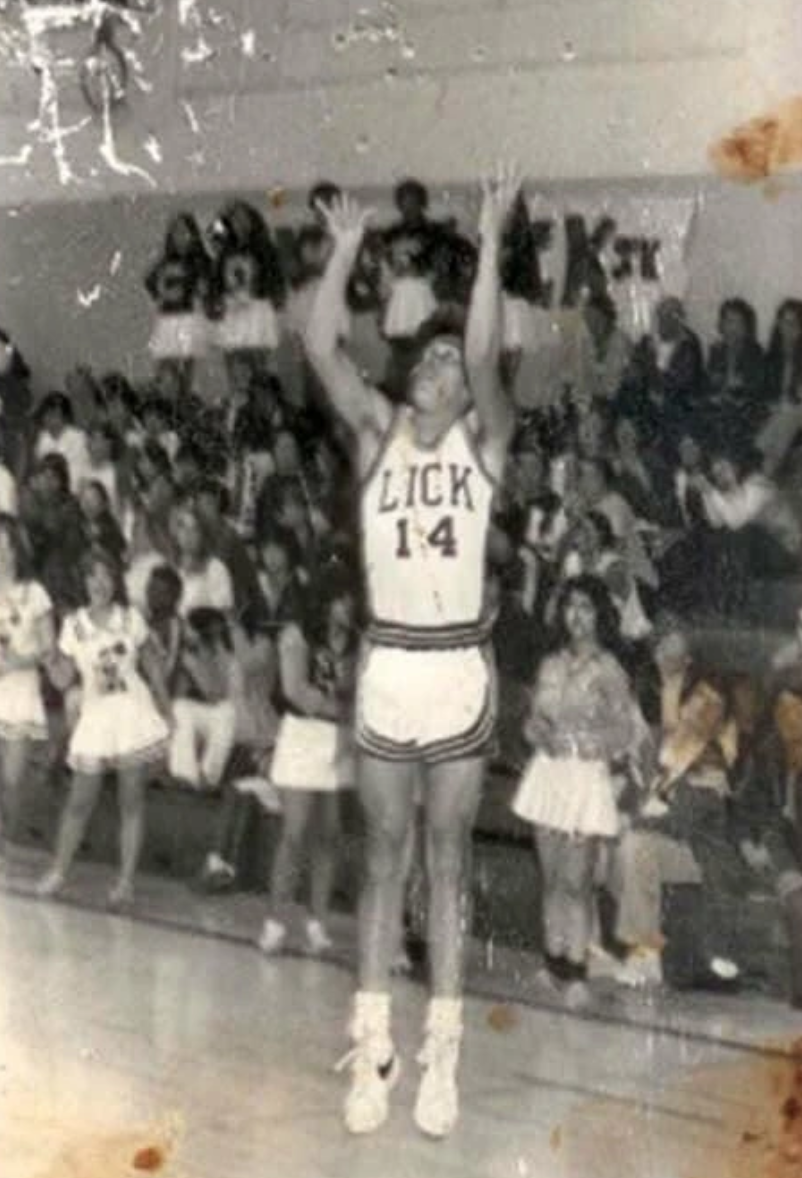
James Lick Invitational Tournament ~ 1980James Lick Invitational Tournament ~ 1980Sitting it out.
To live is to suffer, to survive is to find some meaning in the suffering. ~Friedrich Nietzsche, 19th Century German Philosopher
* * *
I was in the 6th grade the first time my dad took me to the James Lick Invitational Tournament. It was a neighborhood institution that kicked off the holiday season. The gym was packed. I was mesmerized watching players run back and forth in a choreographed ballet to the soundtrack of basketball shoes squeaking on the polished maple floor. Cheerleaders jumped, chanted, twirled, and fired up the crowd. The whole scene was intoxicating.
I’ll never forget the excitement I felt watching the winning team cut down the nets as a souvenir and seeing the all-tournament team clutching trophies at center court as the crowd cheered. From then on, one of my dreams was to play in the tournament. I looked forward to someday standing on a ladder to snip a little piece of the net as a champion and imagined holding an all-tournament player trophy of my own.
Six years later, I had my chance. As a senior at James Lick High School, I was co-captain and starting shooting guard for the varsity basketball team. We won our first game on opening night. I had a good game and earned a top 10 spot on the all-tournament vote tally. So far so good. My stomach churned with excitement and anticipation.
After the game, a bunch of students celebrated the victory at the neighborhood Round Table Pizza. My teammates and I walked into the place like conquering heroes. On the way home, my friend lost control of his car and crashed it head-on into a telephone pole. A few hours later, I was sitting in the Kaiser emergency room as a doctor stitched the deep cut on my forehead. The doctor said no to basketball for a week.
It felt like my dog had died. I suffered sitting on the bench wearing jeans and a letterman jacket watching my team lose the next two games. Something that I had wanted since the 6th grade went up in smoke right before my eyes. There would be no nets to cut down, no all-tourney trophy to hold at mid-court, no cheering crowd. I replayed the car hitting that pole over and over in my mind. Little did I know that those two nights helplessly sitting on the bench wouldn’t be the last time my heart would ache.
Suffering is part of life. The central story of Christianity is the suffering Jesus endured at the hands of his enemies. Buddhists believe that suffering is a natural state of living. Nineteenth century German philosopher Friedrich Nietzsche once said that “to live is to suffer.” Ancient philosophers don’t have the last word on suffering. A couple of 20th-century lyricists come to mind. They put into simple words what highbrow intellectuals have been telling each other for thousands of years.
Jose Alfredo Jiménez, arguably Mexico’s greatest composer, wrote in the mid-20th century about emotional pain and suffering.
La vida no vale nada.Comienza siempre llorando.Y así llorando se acaba.(Life is worthless. It always starts out crying and, like that, it ends crying.)
His massive body of work contains beautiful and elegant lyrics on life’s struggles. The concept of suffering consumed him so much that he ultimately drank himself to death. Cirrhosis of the liver took his life at 47 years old.
American country music icon Hank Williams also wrote haunting lyrics about pain and anguish. His music brings life to the agony of everyday living, loving and loss.
The silence of a falling star. Lights up a purple sky. And as I wonder where you are, I’m so lonesome, I could cry.
The official cause of the 29 year-old singer’s death was heart failure caused by the combination of alcohol and morphine, no doubt to soothe his pain.
Suffering is loosely defined as experiencing pain, sorrow, or hardship. It comes in all forms. According to Buddhists, there are generally three kinds of suffering: mental and emotional torment, physical pain, and death. Catholic tradition adds two more: humiliation and physical exhaustion. More than 4,000 years of philosophy, spirituality, and scholarship tell us that there’s no way to avoid one or more of these types of suffering on a daily basis.
When we think of suffering, big things come to mind: a fatal illness, death, a break-up, physical pain caused by a car accident, broken limbs, or migraine headaches. Suffering also comes in small packages. A flat tire, getting to work late, a gossipy co-worker, and an ankle sprain can all cause some level of mental torment, physical pain, and humiliation.
Like most people, I always believed that life was all about having fun interrupted by a few hard times here and there. As a kid, I lived with both parents and five brothers and sisters in a safe environment, played baseball with neighborhood kids at the school down the street, and basketball on my driveway. We always had food to eat and had the same roof over our heads until we left the nest. It never dawned at me that life could be anything but wonderful with minor exceptions.
In high school, things got more complicated as the pendulum started to swing. It hurt when Dad furrowed his brow and shook his head in disappointment or Mom was upset at me for one thing or another. Focusing on academic performance, pursuing athletic accomplishments, and managing relationships began to eat up more of my time. Mental, emotional, and physical suffering followed. Nevertheless, suffering was still the exception, not the rule.
Life after high school was hard. I flunked out of San Jose State University after three semesters. Despite a sharp intellect and a solid work ethic, I embarked on a string of dead end jobs. I agonized over my circumstances knowing that my natural talents were not visible to my work mates or future employers. Burying myself into books had no practical purpose for the arc my life was taking. I grew frustrated and my anguish accelerated.
Suffering was the order of the day everyday. Drinking and carousing provided brief relief from the pain that racked my mind, body, and soul. Once the music stopped, the anguish resumed with more intensity. The physical and emotional hangovers lasted just long enough to jump back on the merry-go-round of suffering, shameless partying, and feeling sorry for myself. I finally overcame academic failure and forged a new direction.
Although ambition and promise were the new orders of the day, sorrow and pain still paved life’s path. The passing of Mom and sister Patty, job losses, election defeats, political failures, a massive heart attack, a horrific summer on life support, and a decade living with heart failure kept heartache chugging along. Marriage to Sandra, the birth of our girls, professional and some political success, and a heart transplant only served to soothe the ache of sustained suffering.
Since my heart transplant, I’ve developed a fascination with suffering and where it fits in our lives. The emotional and physical pain suffering inflicts on all of us make us naturally want to avoid it at all costs. The Spanish word for fun is diversión. While not a literal translation, the word has the same root as the English diversion. What are we trying to divert ourselves from? Suffering, of course.
My heart failure and transplant journey have given me a new perspective on suffering and its assortment of so-called remedies. A brief scrolling through social media shows people “living their best lives” on vacation, at parties, and doing all kinds of fun stuff. The question is, Are those activities what life is all about or are they merely short-lived diversions from the daily drudgery of going to work, paying bills, fighting with family, raising kids, doing chores, and on and on?
That question has real life and death meaning for me. Living my best life was working long hours, drinking gallons of beer with a few shots of tequila here and there, and eating gobs of fatty and unhealthy food. After a decade of heart failure and transplant, those diversions from suffering are no longer available to me if I want to continue living. I had to flip the script. I needed to find a way to live my best life without work, alcohol, food, or elaborate vacations every year, among a host of other temporary feel-good distractions.
I went back to the highbrow intellectual guys to find answers. Taking another page from the Nietzsche playbook, “out of life’s school of war—what doesn’t kill me, makes me stronger.” I’ve endured so much, especially during the past 14 years. Nevertheless, I’m still here. I’m mentally stronger with the character needed to face challenges head on. I have a better outlook on life and look forward to whatever each new day brings.
Nietzsche also told us that “to survive is to find some meaning in the suffering.” St. Paul the Apostle gave me a starting point. In his Letter to the Romans, he was trying to unify warring factions of the nascent church in Rome. As in any conflict, the differences in opinion among the groups caused much pain and suffering. St. Paul provided a recommendation to the Romans that has formed the foundation of my hope to flip the script on the never ending cycle of trying to avoid suffering through the pursuit of pleasure.
“Rejoice in your suffering,” St. Paul wrote in Roman 5:3-4, because it ultimately leads to hope. My heart failure journey came to an abrupt and blessed end on April 16, 2020. That’s when a new journey began. Suffering, real and imagined, old and new, continues to endure just as Nietzsche told us. “To live is to suffer.” My post-transplant story is all about rejoicing in my suffering “to find some meaning in it.”
Eddie García graciously shared his inspirational journey with our leaders. His relatable stories, wisdom, and experiences resonated with our leadership team and inspired us to continue performing at a high level. ~Rigo Topete, Regional Vice President Sales & Marketing, Comcast Pacific Northwest Region
* * *
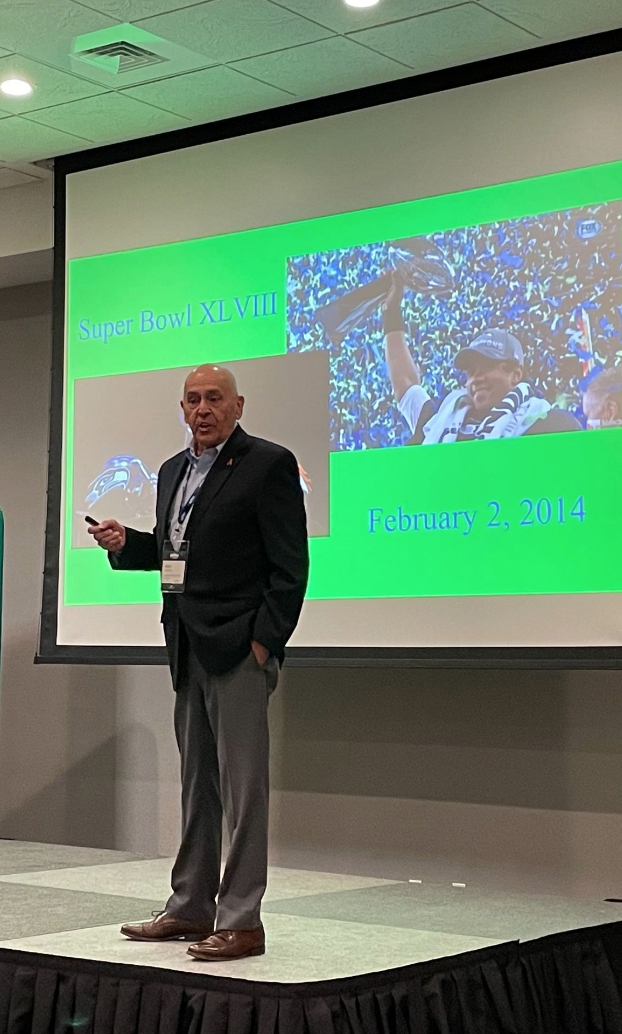
I nervously walked into a hotel banquet room full of sales executives and managers in Olympia, Washington. The group was named the top performing sales team in the Pacific Northwest the year before. Company executives expected the team to repeat as the region’s most prolific sales team by exceeding its record-breaking performance from the previous year. The stakes were high. The company invited me to share my story and help inspire sales leaders to meet the moment.
My pregame jitters came from the fact that there were 100 or so seasoned professionals in the room who had “been there and done that.” What could I say that they probably hadn’t already heard? I prepped tirelessly for weeks to make sure I would deliver a unique and meaningful speech. I decided to start my remarks by developing a relationship with those in attendance by telling a story about how their beloved Seattle Seahawks faced similar expectations and challenges the season after winning Super Bowl XLVIII in 2014.
Many in the audience shook their heads at that memory, smiled, and acknowledged my presence on stage. It was calming and gave me the confidence to share my story. I moved along and talked about the challenges of suffering a massive heart attack, living a decade with heart failure, and managing a heart transplant.
I described how accepting God’s will is the foundation of faith and how rejoicing in my suffering led to hope by giving me the endurance and character needed to survive. Ultimately, it was unselfish love for Sandra and the girls that gave me the courage to fight day in and day out. The moral to my health crisis story, I emphasized, was how the power of faith, hope, and love carried me through that difficult time.
I urged the group to consider using that formula to lead their teams to another award winning year. They should have faith by accepting the fact that expectations were high and other teams were gunning for them. Rejoicing in that challenge would help them persevere through ups and downs, strengthen the team’s character, and turn hope into an action word, instead of an empty desire. I expressed how giving oneself for the sake of others is the very definition of love. By having each other’s backs, rather than infighting, unselfish teamwork would carry them across the finish line.
When I concluded my remarks about 20 minutes later, the executives and managers rose to their feet in a rousing standing ovation. I was overwhelmed by the reaction and relieved that the mission was accomplished. After 30 minutes or so of taking questions, I headed to a table at the back of the room to sign books. I took time to talk with each and every person who wanted to share a story about family members with heart disease, cancer, and other chronic illnesses. With a story about conquering her own battle with cancer, one woman and I rejoiced together in our blessings.
On the flight back to San Jose, I reflected on the day and the meaningful conversations with amazing leaders. First and foremost, I felt gratitude for being able to touch the lives of others. I love being on stage and sharing my story to inspire people to persevere through life’s challenges. Another thought running through my mind was singularly selfish. Professional speakers make anywhere from $5,000 to $25,000 for doing exactly what I did in Olympia. My compensation for that appearance was nominal by comparison.
Those thoughts and calculations came and went before landing at San Jose Mineta International Airport. Since that time, ideas about becoming a professional speaker have crossed my mind many times. My reasoning always begins with the opportunity to share my inspirational story with a wide audience and delves into potential financial gain. That’s where any further consideration of the idea slowly slips away.
I know what it takes to be a professional at anything, especially if the goal is to be the best I can be. It involves taking risks, hard work, and full commitment. At my age (60 years old) and because of the harrowing health journey I’ve endured, I’m just not sure I’m prepared to do what it takes to start a successful inspirational speaker business. I go back and forth in my mind analyzing the pros and cons of such an endeavor. So far, the cons are winning the day.
Recently, I became aware of a local organization in the market for an inspirational speaker. The proposed budget was around $7,500. The wheels in my head started turning and my stomach churned with excitement. I could do it, and for much less! I thought a second about offering my services before ultimately deciding not to speak up. I’m not sure why.
After thinking about why I didn’t make the offer, two things came to mind. First, the old imposter syndrome demons began to creep in because I wasn’t even considered. Maybe I’m not worth that amount of money and I’m just a legend in my own mind, the demons whispered into my ear. My previous speaking engagements told a different story. All audiences I’ve addressed react in the same enthusiastic way as the leadership team in Olympia. So maybe it wasn’t those old negative thoughts in action that kept me silent.
The second reason is that perhaps subconsciously I didn’t want to open a can or worms that couldn’t be closed. Could securing that speaking opportunity have been a slippery slope toward risk taking, working hard, and being completely dedicated to the work again? I’ve been down that path and it didn’t go so well for me or for my family. Nevertheless, the conversation put me in a self-imposed crossroads for a few days.
I spent those days praying and reflecting on what really mattered. Was my ego tugging at my better senses? Yeah it was a little of that. Was it the potential financial gain? Yeah, of course. Who can’t use more money? Was it the fear that my inspirational story will never reach the masses? Yeah, that’s a biggie for sure. In the end, as always, it was faith, hope, and love that carried the day.
If God wants me to be a professional speaker, He’ll let me know and I’ll do my part. In the meantime, I’ll rejoice in my suffering, fully accepting that I’m a great storyteller who isn’t on a big stage. I’ll persevere by seeking opportunities to speak at small gatherings and local events. Character, confidence, and commitment to the cause of inspiring others will strengthen my resolve and give me hope to keep sharing my story.
Between speaking opportunities, I’ll be home spending time with my family, washing dishes, folding clothes, and making dinner from time to time. I’ll also keep working on community passion projects by coaching emerging Latino and Latina civc leaders, teaching high schoolers about leadership, and advocating for my fellow transplant recipients. I’ll get in some reading and writing too. At the moment, this seems like God’s plan for me. I’m happy to do my part to fulfill His plan as best as I can, and I’m grateful that He guided me through the crossroads.
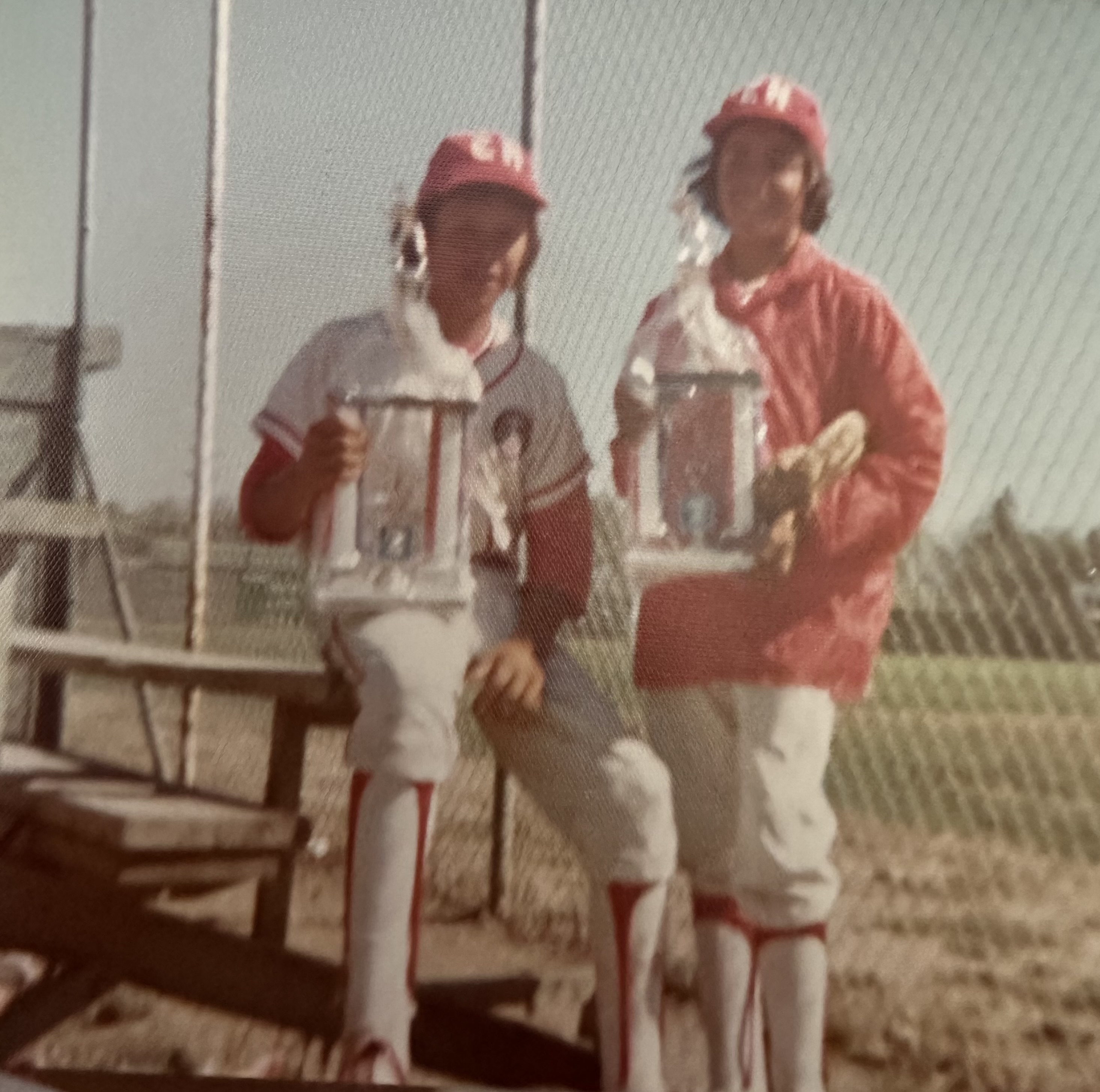
Co-Captains of the East Hills Little League Major Division Champions ~ 1976
This is the second installment of ESEReport.com’s Second Chances blog series.
***
My grace is sufficient for you,for my power is made perfect inweakness. ~ 2 Corinthians 12:9
***
It was the summer of 1976, my last season playing on the East Hills Little League baseball fields. Those were the days when team names were those of sponsors that paid for uniforms. Instead of displaying Giants, Athletics, or Mets logos, our uniforms showcased Mervyn’s Department Store, Fontanetti’s Sporting Goods, Anello Trucking, and other local businesses and organizations. I played for the East Valley Lions Club, the major division “Red” team. We wore red caps with white “EH” ironed onto the front.
The major division diamond was on the campus of August Boeger Middle school on the east side. The field was a miniature version of professional stadiums with a large backstop, pitcher’s mound, grass and dirt infield, press box with PA system, electronic scoreboard, and home run fence. It was like playing in the big leagues. Kids playing in the younger farm and minor divisions couldn’t wait to play on that prestigious field.
I had a great season in 1976. I was named co-captain of the East Valley Lions and selected to be on the All-Star team. Coach called on me to be the starting pitcher for the league championship game against Anello Trucking, the “Blue” team. It was a warm June evening and the old wooden bleachers were filled with cheering family and friends. Dad sat at his regular spot at the top of the stands calling pitches from his perch. Mom sat faithfully by his side.
I don’t remember anything about the game. Not one pitch. Not one play. Not one at bat. I do vividly remember what happened after the last out that sealed our victory. Coach ran onto the field toward the pitcher’s mound and lifted me into the air with a big bear hug. My teammates were excitedly jumping up and down around us.
I instinctively looked toward the top of the bleachers behind the dugout. Dad was standing and looking back at me with a smile of pure pride and joy. Mom had her usual expression of modest delight regardless of the game’s outcome. Dad’s smile was out of this world. He was a charismatic man. His outward display of confidence and his infectious grin could fill up any space he was in.
Dad also had a menacing scowl when he was unhappy or disappointed. His furrowed brow, pursed lips, and nod of disapproval was like kryptonite to me. It sapped energy from my being. Dad had a hard life. His father died when he was just a boy. His bitter mother raised six kids in a wooden shanty with a dirt floor. He experienced the horrors of WWII as a teenage sailor in the U.S. Navy. He saw the world in stark practical terms. Success requires doing things “right.”
Mom was an only child raised by her single mother and grandmother in a small, but loving home. Despite living in relative poverty, her upbringing relied on faith and hope for a better tomorrow. She was yang to Dad’s yin. She always found good in everything. If something unfortunate happened, well . . . that was just God’s will.
Those deeply held views that my parents had about themselves, others, and the world are what psychologist Aaron T. Beck referred to as “core beliefs” in his groundbreaking development of cognitive therapy. Core beliefs are basic lifelong “truths” that a person develops about himself or herself, people, and the world. They usually develop from childhood or through traumatic life experiences.
In other words, our understanding of how the world is supposed to work comes from hearing and watching what our parents and other influential people (i.e. older siblings, friends, teachers, coaches, bosses) around us say and do. Positive core beliefs can lead to a happy, productive, and balanced life. Anxiety and depression caused by negative core beliefs can lead to a downcast, deprived, and disorderly existence.
My parents sought to create an environment for their children to thrive as adults. Dad’s core belief that the world is a harsh place that can be conquered by adhering to his formula for success made it plain that no matter how hard we worked, we could always do better. Mom’s core belief that all is well that ends well with God’s grace inspired a sense of confidence that we would thrive with the gifts provided by God.
Together they instilled into their kids the combination of having to constantly do better and believing they have the talents to succeed at anything they try. This seemed like Mom and Dad had the ideal formula for developing strong, confident, and productive members of society. On the surface, it appears as though they accomplished their mission. But it came at a heavy emotional and mental cost to me.
I can’t speak for my siblings, but the drumbeat of “you can do better” and “mijo you’re the best” set the expectation bar so high for me that it was unreachable. In my mind, no matter what I did in life, it would never be enough. That led to an almost insatiable drive to succeed. I would do anything to exceed my parents’ hopes and dreams for me, whatever those may have been.
It’s no surprise that I grew up to be a pleaser. Psychologists refer to extreme cases of this condition as Sociotropy or Dependent Personality Disorder. People with pleaser tendencies put too much emphasis on social acceptance. Their behavior is a way to boost self-esteem and avoid the perception of failure. Ultimately, those who suffer from the need to be accepted and validated live with the sense of never being or doing enough to meet their own unrealistic standards based on untrue core beliefs.
This can be damaging to mental and emotional health. Although I’ve never been diagnosed with Sociotropy or Dependent Personality Disorder, my thirst for acceptance and approval has caused me much pain and suffering. Over time, I transferred the desire to please my parents to wanting validation from Sandra, our daughters, extended family, the community I served in public office, and professional colleagues. That’s why I might have almost worked myself to death.
The self-imposed core belief that I’ll never be enough has haunted me throughout my life. I’m not suggesting that Mom and Dad are guilty of setting off a domino effect of generational trauma. They were loving parents who did an amazing job setting their children up for a successful and happy life. The core beliefs my parents passed on to me have led to, by most accounts, a pretty good life for their youngest son, with the glaring exception of feeling inadequate.
When I was in my Little League coach’s arms on the mound at the East Hills League field in 1976, little did I know that the seemingly insignificant act of glancing toward the bleachers and wondering whether my pitching performance was good enough to earn an “atta boy” from Dad would follow me for decades. Yet here I am trying to learn how to make sense of it all 48 years later.
That’s where faith, hope, and love come in. St. Paul wrote that God tells us, “my grace is sufficient for you.” As I navigate ever further into understanding faith and making mindfulness practice a priority, what really matters is slowly becoming more clear. On the surface of my psyche, I know that what I’ve done with my life so far is sufficient. However, I’ll most likely spend the rest of my life challenging my core belief that I need to do more and be more.
As Mom used to say, un día a la vez – one day at a time.
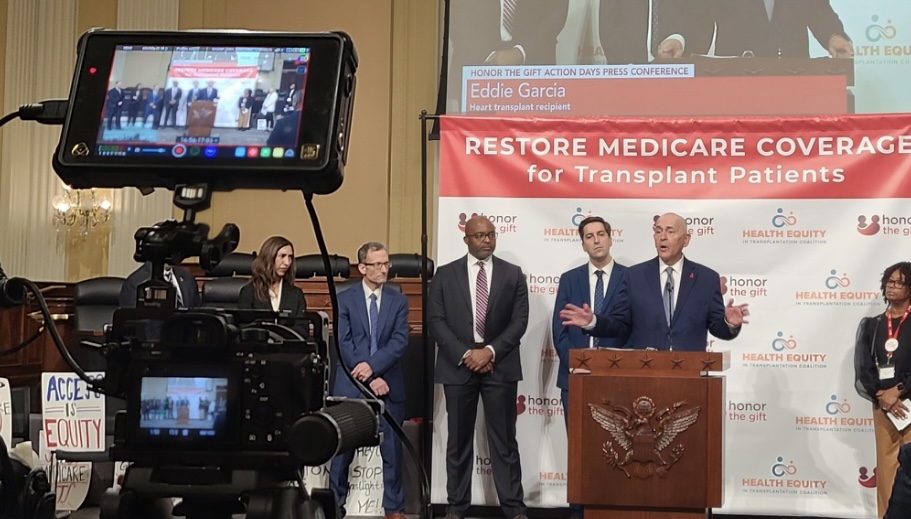
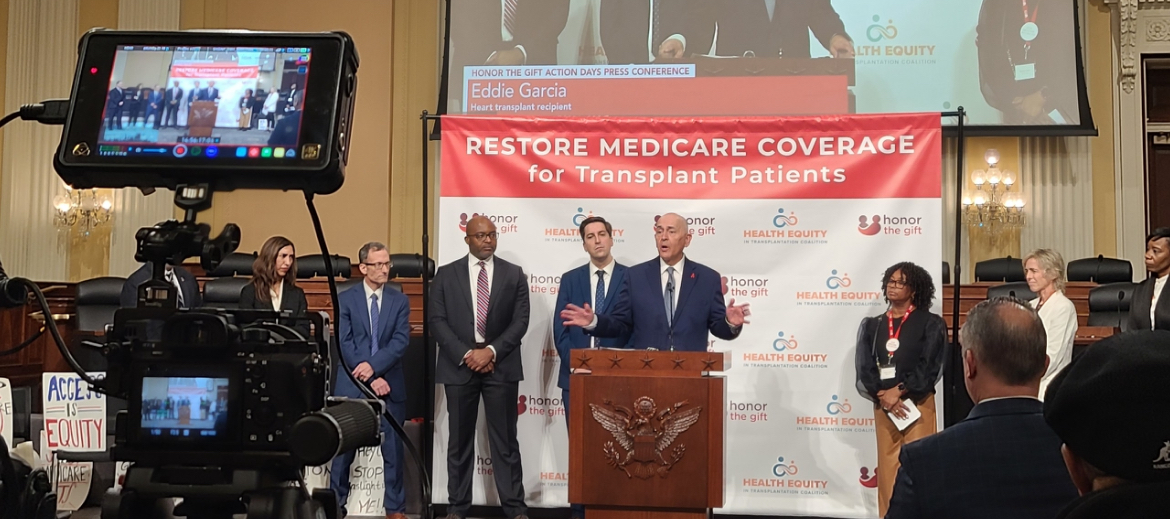
Honor the Gift Press Conference – Washington, D.C. – December 5, 2023
This is the first post of ESEReport.com’s Second Chances blog series.
***
The Lord is not being slow in carrying out his promises, as some people think he is; rather he is being patient with you. ~ 2 Peter 3:9
***
It was sometime in late May 1977. I sat in a classroom at Joseph George Middle School in east San Jose fidgeting in my seat nervously waiting for my turn. I was in the eighth grade, a few weeks away from middle school graduation day. In addition to the traditional valedictorian and salutatorian addresses, a student would be selected to give a speech about campus life. I was one of about six students who tried out for that role.
With Dad’s help, I worked hard on drafting my comments. I wasn’t the smartest kid in school, which explains why I wouldn’t make either of the customary academic achievement graduation remarks. Neither was I one of the most popular students. The other five or so at the tryouts fit into that category. But even as an immature 13 year old boy, I was ambitious and took on challenges that stretched my natural abilities.
Since I loved to read, I worked meticulously on every word looking for an advantage over the popular kids. Dad, who was also a prolific reader, suggested some pretty fancy words that would surely make me sound more sophisticated. Once the final draft was finished, I still felt unsure about being able to stand out. Dad had a brilliant idea. Rather than reading the speech, he suggested that I should memorize it! I practiced and practiced.
When one of the teachers serving as a judge called my name, the nervous tension made me nauseated. As I walked up to the front of the room, a wave of anxious warmth wrapped around my head. My trembling hands placed the written speech on the lectern, just in case I needed a reminder of the words I memorized. When I looked up, there were three teachers and about six students staring at me. My head and flushed face were now in full-fledged nervous fever.
I forgot everything I had practiced. Not one word was coming to me. I looked down at the piece of paper to jog my memory. Nothing! My heart was beating so fast that I thought it would jump out of my chest. I decided on the spot to read my remarks. That didn’t turn out much better. My mouth was so dry that I’m sure no one could understand the stuttering sounds that came out of it. The performance was a complete disaster. I was so embarrassed that I cried when Dad came home from work excitedly asking me how it went.
I was convinced that speaking in front of people would never be in my future. Nevertheless, life went on. In high school, I wasn’t so bad at what we called oral reports in those days. After I flunked out of my first try at college, I coached middle school and high school baseball and basketball. I did just fine with the pre and post game speeches in front of the kids. Speaking to parents at booster club meetings and end of season banquets was part of the job. I did just fine with those too.
In 1989, James Lick High School named me Coach-of-the-Year at an end of year ceremony. The disaster that was 1977 didn’t even cross my mind when I walked up to the podium to deliver an acceptance speech in front of about 200 people. When I returned to college in 1991, I enrolled in a public speaking course primarily because it was a required class, not that I was interested. The professor noted that I was a natural public speaker. His confidence in me was inspiring. In class, I developed the skills that would make speaking in public the foundation of my career.
So what happened between 1977 and 1991? If the professor was right that I was a natural, why was my first attempt at public speaking so awful? How did I improve without any formal training during those 14 years? The likely answer is that life just has a way of working itself out. Life experiences gave me a bunch of opportunities after 1977 to use this natural ability. College gave me the tools to make the most of it in my career and community service.
I believe that God is the architect of life working itself out. In correspondence with people who lost hope, St. Peter’s Second Letter emphasizes, “The Lord is not being slow in carrying out his promises, as some people think he is; rather he is being patient with you, wanting nobody to be lost and everybody to be brought to repentance.” God was surely by my side in that Joseph George Middle School classroom. Although I badly wanted to speak at graduation, God let me know that I wasn’t ready.
St. Peter’s Second Letter reminds us that God is in charge. God gives all of us natural gifts. Most times, we never recognize or accept that we have them. Sometimes we use them for good and sometimes we use them for wrongdoing. Sometimes we don’t use them at all. “Wanting nobody to be lost,” St. Peter’s letter also provides hope that God gives us second chances when we don’t get it right the first time.
I believe in second chances. It’s taken me four decades and many second chances to understand. It started with the opportunity to return to college after the initial failure. After two failed bids to serve in public office, I earned a seat on the school board with a third attempt. When a massive heart attack threatened to end my life and a heart transplant saved it, God’s grace allowed my journey to continue. I’ve been blessed with a lot of second chances.
These experiences have taught me three things: (1) We all have natural gifts. We just need to be patient and give God a chance to reveal them to us in his time. (2) We’ve all had second chances in life. We just need to slow down a bit to recognize and reflect on them. (3) We all could use as many second chances as God provides. This world is unforgiving. The sun rises every morning no matter how the previous day treated us. Everyday is a second chance.
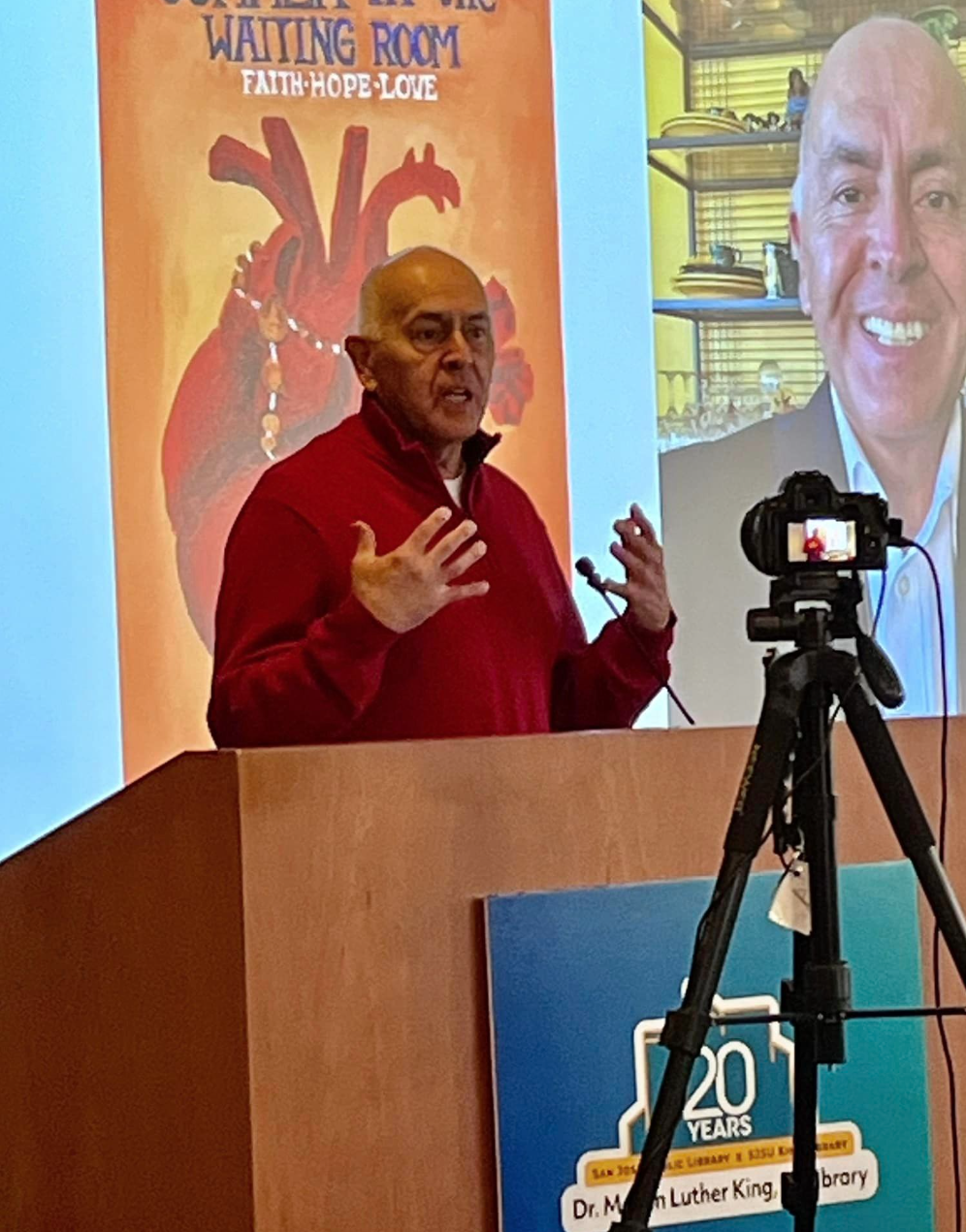
I shared my health crisis and the beginning of a spiritual and mental health journey in my 2022 book, Summer in the Waiting Room: Faith • Hope • Love. On this blog, I plan to spend a good portion of 2024 digging deeper into how strengthening faith and focusing on mental health has had as much a dramatic impact on my life as the heart attack and transplant.
I’ve been doing my best (mostly unsuccessfully) to live with faith, hope, and love. I’ve also been trying to practice meditation and mindfulness (mostly unsuccessfully) on a daily basis. Although I have a long way to go to fully embrace these ancient and proven ideas, I’ve found that my life is becoming more meaningful as I continue to explore the mystery of faith and the inner sanctum of my psyche.
I’ve come a long way from that classroom at Joseph George Middle School 47 years ago. Recently, I had a chance to use for good what the professor said 33 years ago was a natural ability. At a national press conference in Washington D.C. last month, I had the honor to represent heart transplant recipients. I just hope my remarks did my fellow transplant warriors justice. You can see a short clip of that speech here.






 ESEReport.com