Category Archives: Summer in the Waiting Room

Summer in the Waiting Room: Chapter 4 – 360 Days (excerpt #27)

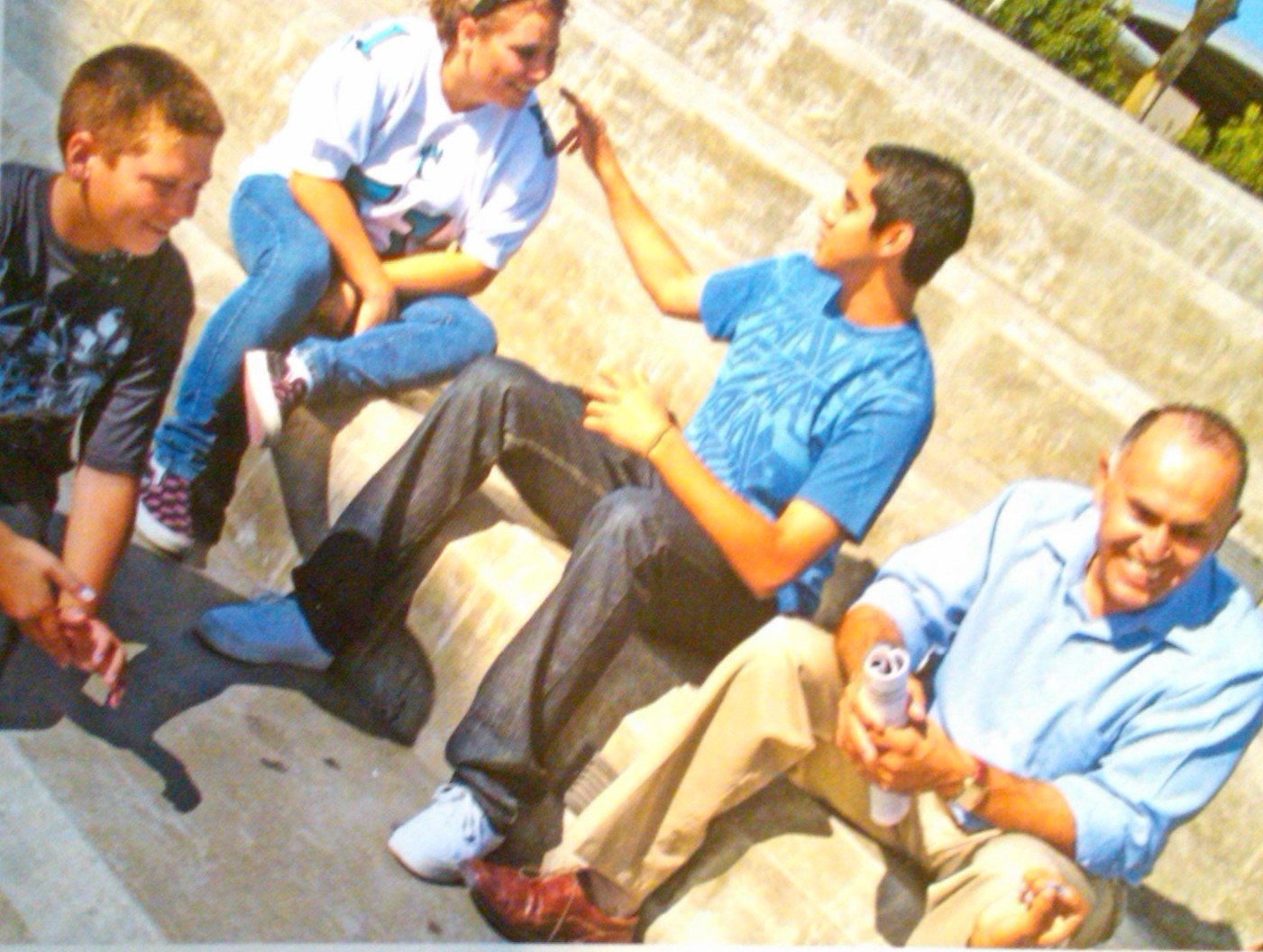
Photo courtesy of www.publicschoolreview.com
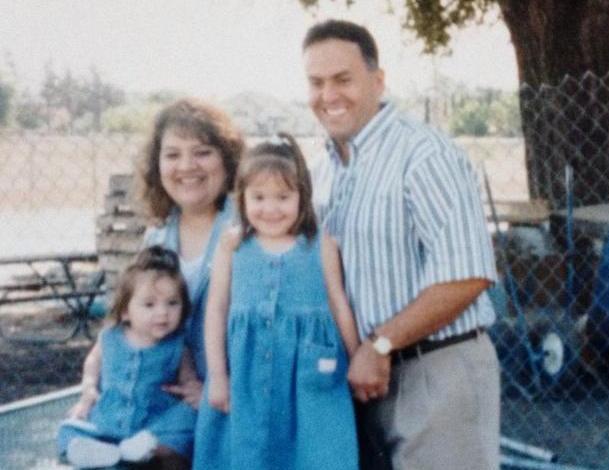
Photo courtesy of http://www.publicschoolreview.com

Blogger’s note: This is the 27th installment from my manuscript of Summer in the Waiting Room: How Faith, Family, and Friends Saved My Life. I post weekly excerpts every Wednesday morning. Check out the “About Summer in the Waiting Room” link at the top of this page to learn more about the story. To read previous installments, go to the “Tags” link and click on “Summer in the Waiting Room.”

********************************

Chapter 4

360 days

June 10, 2009, was graduation day for my high school alma mater, and it would mark the beginning of a feverish 360 days that sent my political prospects on a promising path.  It started out like any other day. I got out of bed at 6:30 in the morning, reviewed my daily calendar of appointments, and washed up to take Erica to swim practice.

After dropping off Erica, I went to the YMCA for a morning workout, then took Marisa to swim practice, picked up Erica, took a shower, dressed for work, stopped to buy a cup of coffee at the neighborhood Starbucks, and headed to my first appointment for the day.

Later that evening, while driving home after a typical full day, my thoughts wandered to the idyllic time growing up on Viewmont Avenue, my struggles as a young man, the years of redemption, the crushing school board campaign of 2008, and the rise out of the devastation of that defeat to serve on the school board again.  It dawned on me that I was experiencing a life I never could have imagined as a kid.

June 10th was a Wednesday. I had a standing appointment on my calendar for every Wednesday morning to meet with the chief of staff to the congresswoman who represented San Jose in the United States House of Representatives.  The major topic of discussion for the meeting would be a delicate conversation about building a park on federal property in the congresswoman’s district.

I wanted to know if the she would support the concept and help guide George through the process of the acquiring the property for the County.  Once the chief was satisfied that I had addressed all of her questions, she said that the congresswoman could support the concept and made some suggestions on how we could work together to make it a reality.  The day was off to a great start as I headed to the office.

Once at the office, I had just enough time to return several phone calls and e-mails, brainstorm with the staff about brewing issues, and check in with George.  As usual, the check-in covered a variety of issues in short amount time.  After the briefing, I returned a few more phone calls and e-mails before George and I were off to a trendy Oaxacan-style restaurant in the heart of downtown San Jose.

We went to the restaurant, located in the shadow of the city’s historic 18th-century St. Joseph Cathedral, for a lunch meeting with the Consul General of Mexico. We discussed a proposed County partnership with the consulate. After lunch, I was back in the office huddling with the staff to prepare for afternoon meetings.  I loved working in a fast-paced and dynamic environment where every day brought new challenges and required complex decision-making. And this work did just that.

With my day job coming to an end, I rushed to the elevator to go the ten floors down to the lobby of the County Administration Building. Once on the ground floor, I hustled across a breezeway to my car. As a member of the board of education, I was scheduled to preside over the graduation ceremonies at James Lick High School.

The ceremony had all of the excitement and anticipation fitting a high school graduation. The graduates were anxious and impatient as they waited to enter the small football stadium. They wore dark green gowns and mortarboards to honor the school colors.  The principal gave me the chance to speak to the students before the ceremony, and I told them something about being proud to have grown up in the neighborhood.

I doubt that any of them heard what I had said.  As soon as I finished my comments, the sound of a recorded version of “Pomp and Circumstance,” the traditional graduation processional march, started blaring over the stadium speakers.  Wearing a black suit with a white shirt and dark green tie, I walked proudly onto the field next to the principal and found my seat on the stage as the faculty followed behind to their seats on the field.

The graduates then filed into the stadium with their green gowns and tassels flowing in the wind to the cheers of family and friends. Standing on the stage watching the spectacle, I couldn’t help but think about the  rocky road I taken to this point in my life. Feelings of pride and humility washed over me when I realized I was playing such an important role in the very ceremony that my brothers, sisters, and I participated in so many years before.

After the speeches and conferring of diplomas, I formally accepted the Class of 2009 on behalf of the school board.  That’s when the real celebration began as the graduates threw their caps in the air, families and friends cheered, the recessional march played over the loudspeakers, and those in the bleachers stormed the field to congratulate their favorite graduate. I walked out of the stadium unnoticed to the jubilant celebrants.

When I got into my car, I decided to drive by my old neighborhood just to see how it was doing.  For nearly a half century, my family lived just a few short blocks from the high school. I always felt safe and at peace when driving through Viewmont Avenue. On June 10th, I also felt a sense of accomplishment.
“Summer in the Waiting Room” Returns August 6th!

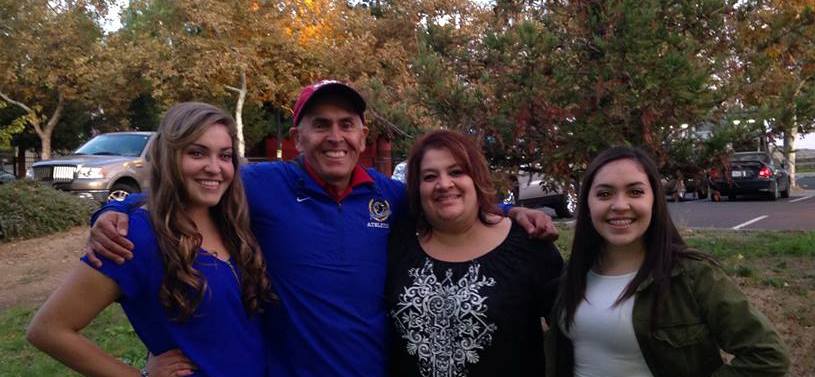
Celebrating my 50th birthday with Sandra, Marisa, and Erica (Sandra & Eddie García family photo)
Celebrating my 50th birthday with Sandra, Marisa, and Erica
(Sandra & Eddie García family photo)

God sure has a funny way of teaching life lessons. For me, faith was a merely a concept until I had a major health crisis. Spending an entire summer in the hospital changed everything.

Summer in the Waiting Room: How Faith, Family, and Friends Saved My Life is my story. It’s the tale of a boy who grew up in a working-class neighborhood, failed miserably at college and fell into despair and hopelessness, met the love of his life, married, finished college, raised a family, and found success in business and public office.

It’s also the story of a man who vowed never to fail again and worked tirelessly to redeem himself, only to find true redemption, while in a state of complete helplessness in the ICU, through faith in God, and the love and support of family, and friends.

Since January, East Side Eddie Report.com has posted 26 excerpts of the story. After a one-month hiatus,  Summer in the Waiting Room will return next Wednesday!

If you need to catch up before next week, click on the “Summer in the Waiting Room” tag to the right of this page. Here’s a summary of the first 26 excerpts:

Prologue The Prologue uses the Giant Dipper, a 1920s era roller coaster at the Santa Cruz Beach and Boardwalk in Santa Cruz, California, as a metaphor for the first 46 years of my life.

Part One The Giant Dipper: November 6, 1963 – June 17, 2010

Chapter 1: 48 Viewmont Avenue Chapter 1 chronicles my life growing up in a working-class east San Jose neighborhood at 48 Viewmont Avenue. This chapter sets the foundation for the values I learned from my parents and follows my idyllic childhood through my failure at college, and subsequent period of drinking and dead end jobs.

Chapter 2: Sandra Peralta Chapter 2 introduces my future wife Sandra and her family, a loyal and tightly-knit unit. This chapter describes our long courtship, marriage, and starting a family. It also recounts my efforts to return to college, graduate, and start my journey toward redemption of my college failure.

Chapter 3: Redemption Chapter 3 follows my obsessive quest for self-redemption following college graduation. For 16 years, I worked around the clock seeking success and recognition as an entry-level political aide, corporate manager, director, and vice president, political chief-of-staff, and high school trustee.

Chapter 4: 360 days Chapter 4 opens on June 10, 2009, with me presiding over my high school alma mater graduation ceremony as a member of the Board of Education. With each professional accomplishment, my desire to succeed intensifies until stress and a frenetic work schedule bring it all down 360 days later on June 7, 2010.

Chapter 4 begins on August 6th…Don’t miss it!

Summer in the Waiting Room: Summer Break

Image from www.catscollections.com
Image from http://www.catscollections.com

God sure has a funny way of teaching life lessons. For those who believe that they alone hold the keys to their own destiny, these lessons can be hard, and in some cases, fatal. For me, faith was a merely a concept. By my early 20s, due to self-perceived shortcomings, I deemed myself a complete failure. With an obsession to excel, self-determination, hard work, and a quixotic quest for redemption, I fought my failure demons for the next two decades. At the age of 46, I had almost conquered them, when, on June 7, 2010, I had a massive heart attack.

Summer in the Waiting Room: How Faith, Family, and Friends Saved My Life is my story. It’s the inspiring tale of a boy who grew up in a working-class neighborhood, failed miserably at college and fell into despair and hopelessness, met the love of his life, married, finished college, raised a family, and found success in business and public office. It’s also the story of a man who vowed never to fail again and worked tirelessly to redeem himself, only to find true redemption, while in a state of complete helplessness in the ICU, through faith in God, and the love and support of family, and friends.

For the past 26 weeks, I’ve posted excerpts of the story. I hope you’ve enjoyed reading it so far.  Summer will take a hiatus until August 6th. This will give you a chance to catch up or read installments you missed. Each excerpt can be found by clicking on the “Summer in the Waiting Room” tag to the right of this page.

Here’s a chapter by chapter summary of the excerpts posted to date:

Prologue

The Prologue uses the Giant Dipper, a 1920s era roller coaster at the Santa Cruz beach and Boardwalk in Santa Cruz, California, as a metaphor for the first 46 years of my life.

Part One The Giant Dipper: November 6, 1963 – June 17, 2010

Chapter 1: 48 Viewmont Avenue

Chapter 1 chronicles my life growing up in the working-class east San Jose neighborhood at 48 Viewmont Avenue. This chapter sets the foundation for the values I learned from my parents and follows my idyllic childhood through my failure at college, and subsequent period of drinking and dead end jobs.

Chapter 2: Sandra Peralta

Chapter 2 introduces my future wife Sandra and her family, a loyal and tightly-knit unit. This chapter describes our long courtship, marriage, and starting a family. It also recounts my efforts to return to college, graduate, and start my journey toward redemption of my college failure.

Chapter 3: Redemption

Chapter 3 follows my obsessive quest for self-redemption following college graduation. For 16 years, I worked around the clock seeking success and recognition as an entry-level political aide, corporate manager, director, and vice president, political chief-of-staff, and high school trustee.

Chapter 4: 360 days – Beginning on August 6th

Summer in the Waiting Room: Chapter 3 (excerpt #26)

Talking with students during my 2008 campaign for the high school board (campaign photo)
Talking with students during my 2008 campaign for the high school board
(campaign photo)

Blogger’s note: The following passage is the final installment of Chapter 3: “Redemption” from my manuscript of Summer in the Waiting Room: How Faith, Family, and Friends Saved My Life. ” Summer in the Waiting Room will take a three-week hiatus and resume on Wednesday, July 8th.

********************

My professional career and political prospects were progressing well in 2008.  I had the privilege of attending the Democratic National Convention in Denver, Colorado, as a Comcast executive and witnessed history when Senator Barrack Obama accepted the nomination of his party for president of the United States.  The general election of 2008 would also be the testing ground for my potential run at higher office.  I was an incumbent school board member who had an admirable, if not distinguished, record on the school board running for election to keep the seat to which I had been appointed.

I had secured the endorsement of the teacher’s union, my colleagues on the board, the San Jose Mercury News, and nearly every politician who served residents in San Jose.  I also amassed more campaign funds than the other candidate.  With this profile, winning election seemed to be assured.  There was one problem. My opponent was a former longtime trustee who had name recognition as a school board member.

When the votes were counted on election night, November 4, 2008, Barrack Obama became the first black president in the history of the United States, and I had I lost again.  Over the course of twelve years, I had attempted to win election to public office four times and earned the trust of financial supporters and volunteers, but emerged with no victories.  My political career was in tatters.

That same election, a longtime friend, George Shirakawa, ran for and was elected to the county board of supervisors.  Right after his election, he asked me to consider leaving Comcast to join his team as chief of staff.  We made a great team on the school board and George persuaded me that we could make a big difference working together at Santa Clara County. I would have to take a large pay cut, but I would be home every night and would not have to travel across the nation.

Even though I was dejected by the results of my election, I was looking forward to a new venture helping George assemble his staff and leading a team that could make a positive impact in the community. Also, the day after Election Day, the new president of the school board invited me to breakfast and encouraged me to apply for the appointment of the seat vacated by George as a result of his election to the county board of supervisors.  Demoralized, I couldn’t imagine putting myself through that pain again.  But the pain of failure cut deeper, and after a long talk with Sandra and some personal soul-searching. I accepted the challenge and was reappointed to the board of trustees two months later.

I was busy at the start of 2009 setting up the supervisor’s office and seeking opportunities to be an effective school board trustee.  The pace at the county board of supervisors was slow compared to the hustle of the corporate world, so I added another major project to my plate.  I was part of a group that started a leadership academy to help professional Latinos develop community leadership skills.  It was going to be a busy schedule, but I didn’t have to travel anymore. I would be able to spend time with my family and sleep in my own bed every night.

On the school board, the opportunity to make my mark came immediately. Before I began my second appointed tenure, the board unanimously voted to close a budget shortfall by eliminating after-school sports to the outrage of the community.  The final decision would be made later in the spring when I was back on the board.  I believed deeply in the value of extracurricular athletics as it had been a great experience for me in high school.

Despite vigorous opposition by the teachers union, I supported student-athletes, parents, and the community by hosting town hall meetings, writing an op-ed article in the newspaper, and meeting with my colleagues and other influential people in the community to persuade them to save sports.  In late May 2009, the board voted 4-1 to maintain the after-school sports program. I had the momentum I needed to position myself for a strong election campaign to earn my appointed seat in 2010.


Summer in the Waiting Room: Chapter 3 (excerpt #25)

Marisa and Erica get Sen. Hillary Clinton's autograph at a 2008 rally in San Jose. (Sandra & Eddie García family photo)
Marisa and Erica get Sen. Hillary Clinton’s autograph at a 2008 rally in San Jose.
(Sandra & Eddie García family photo)

That same fall, I applied for an appointment to an open seat on the high school board and worked hard to get the votes needed to ensure victory. After three elections losses, I finally became a public policymaker. I shared my story with students in the economically and ethnically diverse district that included my alma mater to inspire and encourage them to work hard, dream, persevere and believe in second chances. I was working around the clock with my dual duties as a Comcast executive and school board trustee.

On one occasion the two duties intertwined when I was on the east coast and airlines were cancelling and delaying flights due to bad weather.  I planned to present a new policy proposal for the school board to discuss that night.  Originally scheduled to take an early morning flight, I was scheduled to arrive in time for the 4:00 PM executive session and 6:00 PM public meeting where I would introduce my proposal.

My flight from Ronald Reagan National Airport in Washington, D.C. to San Jose was canceled and my desperate attempts to secure another flight, even on any other airline, were unsuccessful.  With time running out, I took a taxi from Reagan Airport to Dulles International Airport.  During the 35-minute drive, I frantically called airlines in search of a flight that would get me home in time for the vote.  Finally, at Dulles, I was able to secure the last seat on a flight that was scheduled to connect in Las Vegas for the final leg to San Jose.

The flight would arrive around 7:00 PM, so before departing from Dulles, I called the board president and requested a delay in the proposal until I arrived.  Sitting in the middle seat of a cramped plane only added to my anxiety about missing an opportunity. The connecting flight in Las Vegas was also delayed, but I was determined to get to the school board meeting. Once the plane landed in San Jose, I drove directly from the airport to the board chambers to introduce my proposal.  It was almost 9:00 PM when the board discussed the proposal and shortly thereafter approved it unanimously.

Although I enjoyed the adventure and adrenalin rush both high-profile positions offered to me, I hadn’t realized that I was neglecting the diversions that had balanced my life. I no longer buried my nose into a good biography or followed the NCCA basketball tournament to its inevitable exciting conclusion. I couldn’t remember the last San Francisco Giants game I attended that didn’t include a business and relationship-building component or a movie that I could enjoy with Sandra and the girls.

Most apparent, I wasn’t spending time just hanging out with the larger Peralta family.  Sandra, her parents and sisters, and we husbands had always been close. We baptized each other’s children and gathered frequently at the Peralta’s house for no other reason than to be together.  There were the weddings, the family parties, the college graduations, Christmas, Thanksgiving, and News Year’s Eve that also kept the bonds strong.  I had rationalized that I was still fully engaged through the holidays and major family events, but in reality, my career and my public life had taken center stage.

What I was missing were the bull sessions and drinking beer with Mr. Peralta around the barbecue pit on a lazy Saturday afternoon, the “honey-do” home improvement projects and customary beer drinking afterwards with Eddie, the ballgames with Pancho, and the conversations about business and politics with Miguel. I wasn’t keeping up with the family stories and gossip I so enjoyed with Mrs. Peralta, Valerie, Kimberley, and Shelley. My dizzying work and school trustee schedule kept me occupied.

The Comcast executive salary provided a lifestyle that I could never have imagined. I was able to take my family on vacations to the east coast, Hawaii, and Puerto Vallarta.  We even took mini-trips to Santa Fe and the Grand Canyon, and weekenders in San Francisco and Monterey. I was speechless when my father-in-law proudly and emotionally walked onto the grounds of the White House on a tour I had arranged. When Senator Hillary Clinton visited San Jose for a rally during her historic presidential campaign, my family and I had access to seats next to the stage.

I had reasoned that these opportunities made up for missing day-to-day family interactions. I had reached the apex of my comeback and the college failure demons had been destroyed.  I was an executive for a large corporation who traveled throughout the country to represent the company’s interests and I was a trustee for a large school district. The political bug had bitten me again and I was poised to take it as far as I could. With a small group of supporters, I started to map out a strategy to prepare myself to be a future candidate for higher office.

Summer in the Waiting Room: Chapter 3 (excerpt #24)

Hanging out with Marisa and Speaker of the House Nancy Pelosi. (personal photo)
Hanging out with Marisa and Speaker of the House Nancy Pelosi.
(personal photo)

A few weeks after the shortness of breath episode in Long Beach, while sitting in a plane that was descending into San Antonio International Airport, I again struggled to catch my breath.  I felt fine the rest of the trip, but made an appointment with my doctor when I returned home.  The doctor checked my vital signs, administered an electrocardiogram (EKG) test, and a cardiac stress test, which consists of the patient walking on a treadmill to determine if blood is flowing correctly through the heart during physical exertion.

I passed all of the exams without difficulty, relieved that I wasn’t suffering from the same fate as my parents and my sister.  The doctor explained that I might have issues related to anxiety as the symptoms are similar, but far less intense, to those of a heart attack.  I was ultimately diagnosed with a form of anxiety that causes a rapid heartbeat, sweating, chest pain, nausea, and numbness.   The disorder can be hereditary or caused by environmental factors such as stressful life events and life transitions.

For nearly a year, I had been masking the grief of my mom’s loss by working incessantly and grappling with some of my siblings on settling the estate. Doctors were sure that my episodes were not the result of genetics. They were caused by the life-changing events related to my mom. The doctors assured me that I could manage my condition by participating in a few group and individual sessions with a therapist, and taking small doses of anxiety medication.

I took stock of my life, and like everything else I did, I put all my being into the treatment to quickly resolve the issues. Despite the scare, I returned to my hectic schedule. Armed with the tools to manage the void caused by my mom’s passing, I focused my energy to finally disposing of the failure demons and achieving professional success once and for all. Determined to move up in the company, I worked harder at the office, continued representing Comcast at national Latino events, and dedicated precious extra time to making an impression on corporate honchos at the Executive Leadership Forum.

In 2005, my leadership forum teammates selected me to present our group project to the chairman of the board and the company’s top executives.  My presentation was a hit. Before long, opportunities to demonstrate my talents and commitment to the company came quickly and regularly.  I soon had the chance to make a big contribution on a national conference call with corporate bigwigs. I offered to help Comcast secure a franchise in Houston, Texas, by introducing top company executives to the vice mayor of the fourth largest city in the country.

Houston’s vice mayor was an emerging national Latina leader who I met during my travels on behalf of the company.  I scheduled a lunch meeting and traveled to Houston to make the introduction personally. After months of negotiations, Comcast won the contract with the vice mayor’s support.  That summer, I was chosen to lead a meeting in Washington, D.C. with the chairman of the company and a high-ranking member of the U.S. House of Representatives Energy & Commerce Committee with whom I had a solid working relationship.

The veteran California congresswoman’s wood-paneled office had a high ceiling, luxurious drapes, and photos of her with our nation’s leaders. California and American flags framed her large oak desk.  The office was bigger than the first apartment Sandra and I lived in when we got married.  During the meeting, I couldn’t help but think about how far I had come from the simple days at 48 Viewmont Avenue, the college failure, the dark years of aimlessly wandering through life, and the triumphant return to and graduation from San Jose State University.

A few months later, I stood at the podium of the Fairmont Hotel in Dallas, Texas, to deliver brief comments on behalf of Comcast to a thousand Latino elected officials from throughout the country at the annual NALEO conference. It was the same gathering that, as a green and impressionable political staffer, inspired me to forge a career in politics nearly a decade earlier.  By the fall of 2006, I had been named vice president of local government affairs for Comcast in California.

As vice president, I developed and managed the company’s local government relations initiatives and continued with my travels. Business trips included regular drives throughout California to visit and meet with the eight government affairs directors who reported to me. I also played a role as a company representative at political events across the state. On one such occasion, Marisa went with me to a fundraising event at the Los Altos Hills estate of a Silicon Valley executive where former President Bill Clinton was the featured speaker.

I beamed with pride when Marisa, just 12 years old, recognized and introduced herself to Nancy Pelosi, the first woman to be Speaker of the U.S. House of Representatives. Marisa shook President Clinton’s hand and we arranged a photo with Speaker Pelosi.  It’s impossible to accurately portray how it felt that day to provide my daughter with the opportunity to meet a U.S. President and House Speaker. The failure demons that haunted me for so long were gradually fading away.

Summer in the Waiting: Chapter 3 (excerpt #23)

My sister Patty (1953-2003) & (1930-2003) in early 2003. Sandra and Eddie García family photo)
My sister Patty with my mom in early 2003.
Sandra and Eddie García family photo)

Blogger’s note: This is the 23rd installment from my manuscript of Summer in the Waiting Room: How Faith, Family, and Friends Saved My Life. I post weekly excerpts every Wednesday morning. Check out the “About Summer in the Waiting Room” link at the top of this page to learn more about the story. To read previous installments, go to the “Tags” link and click on “Summer in the Waiting Room.”

********************************

By mid-year, the senior VP in California informed me that I had been selected, at his recommendation, to participate in the exclusive Comcast Executive Leadership Forum class of 2004.  The Executive Leadership Forum was by invitation only, and the corporate chitchat was that those who completed the program were soon sitting in executive chairs. Just as my professional prospects were looking up, my personal life took a downturn.

In March 2003, my sister Patty, just forty-nine years old, suddenly died from myocarditis, an inflammation of the heart muscle caused by an infection from a virus.  She started the year with what seemed like a bad cold that appeared to lead to bronchitis and pneumonia, but doctors couldn’t clearly identify the problem and decided to do exploratory surgery.  The morning of her surgery I called Patty to wish her luck and told her that Sandra and I would make the four hour drive to her home in Bakersfield to see her when she emerged from the operating room.  That was the last conversation I had with my sister.

During surgery, the doctors confirmed that she had myocarditis and that her heart was so weak that she would need a heart transplant immediately.  A suitable heart was found at the UCLA Medical Center, just a short one hour helicopter flight to Los Angeles.  The doctors first needed to make sure that her heart was strong enough for the flight, so my sisters Barbara and Sisi, and my brother-in-law’s family prayed for a positive outcome and anxiously waited for the doctor.

Finally, in the early morning hours before dawn, the doctor walked into the waiting room and asked my brother-in-law to step into the ICU unit. My brother-in-law asked me and the priest who presided over his and Patty’s wedding many years earlier to join him and the doctor.  Once in the wide and antiseptic hallway of the ICU unit, the doctor, in a straightforward and unemotional manner, told my brother-in-law that Patty’s heart had weakened to the point of failure and that she would die within the hour.

As my brother-in-law sobbed and pounded his fists against the wall in grief, I stood by dazed and numb, and my mind started to spin trying to find answers in the confusion. Patty had been in great shape, she ate well, rarely stressed about anything, and she died of a bad heart. A few days later, I was given the honor to speak at her memorial service where I described her fighting spirit and her total devotion to her husband and her only son Matt, while my mind swirled about my own mortality.

At just thirty-nine years of age, I intensified the urgency I had placed on myself to achieve redemption by accepting the invitation to participate in the Comcast Executive Leadership Forum and working longer hours. I was excited about starting the program and moving forward after the stunning death of my sister, but 2003 ended on the same tragic note when my mom died of a blood infection after battling kidney failure for several years.

Once again, I found myself at the podium delivering a eulogy for a woman I loved while my mind raced about the ticking clock that foretold the end of my time. While my sister’s sudden death was startling and forced me to think about my health, my mom’s passing was devastating. She had been the glue that kept everything together. Her unconditional love kept me afloat during the darkest of times. I was sad, scared, and not sure how I would get through the tough times that were sure to come.

In addition to the emotional pain, my mom had named me the trustee of her living trust and I felt a deep sense of obligation to get it right.  Hearing my dad’s voice advising that working hard was the best my way to get through sorrow, I developed a laser focus on my career and on settling my parents’ estate. On top of meeting daily responsibilities as director of government affairs for Comcast in the South Bay Area, for the next ten months I traveled frequently to Philadelphia for the Executive Leadership Forum.

My work schedule was grueling with regular trips to Sacramento and Washington, D.C, in addition to stops around the country as Comcast’s representative at national Latino political gatherings. The grinding schedule kept my mind off of the huge void left by my mom.  What few hours I had left in the day would be spent with Sandra and the girls.  If I was in town, I would have dinner at home before heading out to an evening event, and when on the road, I would call Sandra and the girls just before bedtime to say good night.

Sandra began expressing concerns about how hard I was driving myself. If I wasn’t careful, she warned, my family history of heart disease would catch up to me. Rather than taking that warning as a sign to slow down, I drove myself harder rationalizing that the clock was ticking and my window for redemption and success was closing fast. In September of 2004, after a long week of business in southern California, I found myself short of breath while trotting up a flight of stairs at the Long Beach convention center.  At the top of the steps I was able to compose myself, and a few minutes later, the sensation disappeared.

Summer in the Waiting Room: Chapter 3 (excerpt #22)

Campaigning for city council from the back of a pick-up truck in 2000. (Photo Courtesy of Patricia Rocha Malone)
Campaigning for city council from the back of a pick-up truck in 2000.
(Photo Courtesy of Patricia Rocha Malone)

Blogger’s note: This is the 22nd installment from my manuscript of Summer in the Waiting Room: How Faith, Family, and Friends Saved My Life. I post weekly excerpts every Wednesday morning. Check out the “About Summer in the Waiting Room” link at the top of this page to learn more about the story. To read previous installments, go to the “Tags” link and click on “Summer in the Waiting Room.”

********************************

Losing that second campaign for school board didn’t diminish my ambition or my hopes of winning election.  Two years later, I decided to run for the city council.  I had earned some name recognition with voters during the school board campaigns and my professional profile improved with my position in the business world.  The only person who stood in the way was a high school board member who was the scion of a political family whose father had served in the California state legislature for two decades.

In the spring primary election, each of us defeated two other opponents to earn spots on the general election ballot in November.  Primary election night would be the highlight of my electoral political career as I gave a victory speech, with three-year-old Erica in my arms, in a packed campaign office, to the cheers of my family, friends and supporters.

I started the fall campaign trailing badly in the polls, so with the support of a small cohort of extended family and friends, the campaign team was essentially a family affair.  The Peralta girls and Miguel walked precincts every weekend and called voters every night asking them to vote for me. My mom and Mrs. Peralta shared phone bank duties as well.  Pancho, Eddie, Will, and Rudy fanned out throughout the district posting campaign signs on supporters’ yards and along major roadways.

Even Marisa, just five years old, walked door-to-door campaigning with me, her infectious smile confidently persuading people on their front porches to vote for her daddy. After a long and vigorous campaign, I couldn’t overcome my opponent’s well-known name and well-financed campaign machine.  The returns on election night proved to seal my third electoral loss in six years. I was devastated as I addressed supporters in a crowded room at a local restaurant to thank them on my family’s behalf.

As people gathered around me with tears and hugs, I felt something tugging at the bottom of my sweater and looked down to see Marisa looking up at me with teary eyes saying, “Daddy, I’m sorry you lost, but I’m kind of happy because we could have you back now.”  The next morning, I woke up after just a few hours of sleep with my political dreams smoldering in the ashes of failure.  Despite the fact that my political career was over, the ambition to succeed and erase the demons of the past with a focused urgency hadn’t gone away.

I was committed to putting all of that energy into spending time with my family and building a career as a corporate executive.  As it turned out, I spent more time chasing the elusive concept of success than I did enjoying my family.  I wanted to be a good husband and father, and I loved being with Sandra and the girls, so I made sure that I was home for dinner every night I was in town and available for as many school events and family events as possible.

For several years I coached Erica’s little league teams, but it wasn’t unusual to hear the kids shout, “Coach García is wearing a suit again,” because I would have to run out right after practice to be on time to my first meeting for the evening.  Despite my efforts to be a fully engaged father, my professional ambitions took the lion’s share of my time.

When Comcast acquired the local cable company as part of a nationwide eighty billion dollar transaction, I was now working for a major American corporation with countless opportunities for those who wanted to get ahead.  During a tour of Comcast facilities in San Jose, the new senior vice president for the California region stepped into my sparse office, asked about my background, my family, and my plans for the future.  I filled him in with the basics about Sandra and the girls, my career up to that point, and boldly proclaimed that I wanted to be a vice president someday soon.

Over the next several months, the senior VP called on me to lead selected projects in the regional government affairs department, which I accepted without hesitation.  Although these special projects required me to be away from the office often, my direct supervisor was supportive of my ambitions and allowed me the time needed to be away. I was making much progress in my climb up the corporate ladder when I became close friends with a colleague at the corporate office in Philadelphia.

He was a bright executive forging his own way up the organizational chart.  We had much in common: we were both in our 30s, we both had our eyes on higher executive positions, we both had the same philosophy on government relations, and we both were persons of color.  He asked me to help at the national level when a local elected official from California with whom I had a strong working relationship was appointed to the telecommunications public policy committee of the most influential municipal advocacy group in the nation.

With me and my colleague representing Comcast, we co-hosted a dinner with the California official in Charlotte, North Carolina, for the telecom committee members. Just like that, I became familiar to executives at corporate headquarters as a valued representative of the company, especially with Latino political organizations.  Before long, I was in Los Angeles, Washington, D.C., Dallas, Santa Fe, and San Juan, Puerto Rico representing Comcast at national meetings of Latino public policymakers.

Summer in the Waiting Room: Chapter 3 (excerpt#21)

With Sandra, Marisa, & Erica taking photos for my 1998 school board campaign (Sandra and Eddie García Family photo)
With Sandra, Marisa, & Erica taking photos for my 1998 school board campaign
(Sandra and Eddie García Family photo)

Blogger’s note: This is the 21st installment from my manuscript of Summer in the Waiting Room: How Faith, Family, and Friends Saved My Life. I post weekly excerpts every Wednesday morning. Check out the “About Summer in the Waiting Room” link at the top of this page to learn more about the story. To read previous installments, go to the “Tags” link and click on “Summer in the Waiting Room.”  

********************************

I also began to face challenges in my professional life.  In 1996, I worked around the clock managing the supervisor’s campaign.  It was so consuming that when we celebrated Marisa’s second birthday at a pizza parlor, I stayed for just thirty minutes only to return to the campaign office because Election Day was just six days away.  It also became clear that my decision to pursue a career in elective politics severely compromised my day job.  Later that spring, I left the supervisor’s office for a failing non-profit organization that dissolved seven months later.

At home the night Erica was born provides a snapshot of that trying time.  While Sandra and the baby slept at the hospital in preparation to come home the next day, three-year-old Marisa and I sat alone in the virtually empty family room of our newly purchased house watching television.  While she was enjoying the quality time with her daddy, my mind wandered thinking about of being unemployed soon with a mortgage we could barely afford, worried about how I was going to provide for my family, and how I was going to pursue my professional dreams under such challenging circumstances.

With the impending collapse of the non-profit corporation nearing its endgame, I would scour the newspaper for job opportunities every day.  Once again, fate stepped in.  One Sunday morning while Sandra and the girls were still asleep, I stumbled upon a rare job announcement for a government affairs manager at the local cable company.  Government affairs departments are unique to industries that are regulated by federal, state, and local governments.

The role of a government affairs department is to develop and maintain relationships with elected and government officials to educate them to provide an opportunity for that company or industry to influence public policy that is beneficial to its business interests.  Usually, these types of job opportunities are shared by word of mouth with those who work in the political sector, so it’s unusual for a company to place an ad in the newspaper.  I applied for the job and called on all of the politicians and community leaders with whom I had developed strong working relationships to send letters and make phone calls to the cable company.

The work ethic I learned from my parents, the urgency that drove me since my dad’s passing and my mom’s heart attack, and the opportunity to right the wrongs of my past motivated me to prepare obsessively for the job interview.  Well prepared, I drove to the interview early so I would be relaxed and confident for the meeting, only to get lost in an unfamiliar part of the valley.  Those were the days before auto navigators and GPS devices, so I found myself driving up to gas stations and other drivers stopped at traffic lights to ask for directions as the clocked ticked ever so close to the scheduled interview time.

My heart pounded at the thought of missing this opportunity and watching failure rear its ugly head again.  Speeding through the maze of streets lined with the same looking, low lying concrete Silicon Valley research and development “tilt-up” buildings, I finally made it to my destination with just a few minutes to spare. I walked into the lobby nervous and anxious, wiping sweat off my brow and composing myself to look presentable.  Wearing my best suit, I walked confidently into the office to start the meeting.

I dazzled them at the interview and I was invited to meet executives at the division office in Walnut Creek, more than an hour away, a few days later.  I was nervous and excited to meet corporate executives, something I never would have thought was possible just a few years earlier. This time I wasn’t taking any chances. I arrived in Walnut Creek more than an hour early. The meetings went well and I got the job. My life would never be the same.

Working at the cable company was a great experience.  I strengthened my relationships in the political community, learned about working in a corporate environment, had an office all my own, and shared an assistant with my boss.  I also visited Washington, D.C. for the first time.  Managers at my level rarely had the opportunity to represent the company in Washington, but my solid relationships with a few members of Congress led to the invitation by our department’s vice president.

When I arrived early that January evening, a light snow was falling and the lighted monuments and U.S. Capitol made the city glow majestically.  That night, I went out into the freezing rain to see the Lincoln Memorial. I shivered while walking up the steps to the enormous statue of Abraham Lincoln sitting in a chair looking across the Mall toward the Capitol Building.  The statue took my breath away.

I turned and looked to see what Lincoln was seeing and stood motionless as I gazed at the iconic Washington Monument and Korean War Memorial shimmering in white as the rain gave them a shiny finish.  I couldn’t believe that I was there, a boy from the east side who failed in college and found his way back, standing in center of the free world. I returned to Washington several times a year over the next 10 years and never lost the excitement and inspiration our nation’s capital gave me that first night.

My career in the corporate world was progressing nicely as I was promoted to director within two years. Still, my hunger for political success grew even stronger. In 1998, for a second time, I ran for a seat on the elementary school board against three longtime incumbents. Sandra, her parents and sisters, and my brothers-in-law formed the heart of the campaign. We learned a lot from the last election and had a well-organized operation. When I walked door-to-door asking people to vote for me, many had remembered me from the 1996 campaign. On Election Day, hopes were high.  By the end of the night, I lost again by a slim margin.

Summer in the Waiting Room: Chapter 3 – Redemption (excerpt #20)

Ready for work in a suit and tie – 1993 (Sandra & Eddie García Family photo)

I called Mr. Shirakawa as he suggested and found myself in his office a couple of days later.  He quickly secured a job interview for me as a legislative assistant to legendary Latina councilwoman Blanca Alvarado.  I had met her at the convention center just the week before.  As the longtime city council representative who represented east San Jose, she was a household name at my parents’ kitchen table, so it was a surreal experience sitting in her office a few weeks later for the interview.  The interview went well, so I was hopeful as I left the meeting.

By mid-summer, more than two months after graduation day, I hadn’t heard back from the her office so I applied for jobs at the City of Santa Clara, the high school district, and an assemblyman’s office.  No job offers resulted, and the familiar feelings of doubt and uncertainty about my abilities began to creep in.  That fall, after two more months of anxious job hunting, the councilwoman, who had recently been named vice mayor of San Jose, offered, and I accepted, a three-quarter time position.

The next three and a half years were an exciting time for me.  After several months, I earned a full-time position as a legislative aide working on community development and controversial public art projects.  In this capacity, I had the opportunity to learn about the public policymaking process, and the rough and tumble world of local politics.  I worked tirelessly, never turning down an assignment or a night out at a political event.

I had quickly become one of the vice mayor’s most reliable lieutenants.  When her tenure ended due to term limits, she asked me to manage her campaign for the county board of supervisors.  I was flattered, excited, and apprehensive as I had never even worked on a campaign, much less managed one.  It was a hard fought campaign, complete with mudslinging from both sides and eighteen hour days, that wasn’t decided until the early hours of the morning after Election Day.

I had taken myself to the limits physically, emotionally, and mentally juggling the responsibilities of managing the candidate, the press, campaign donors, advisers, and volunteers.  After the early morning victory had been secured, I spent the next thirteen months in her office as a senior policy aide on the county board of supervisors.  Within months of assuming my new position, I was itching to do more as the failure demons began sneaking back into my consciousness.

I was thirty-two years old working as an aide to a local politician.  In my impatient mind, it wasn’t good enough to erase all of the years I lost in my personal wilderness.  The summer after Election Day, the supervisor sent me to Los Angeles to represent her at the National Association of Latino Elected and Appointed Officials (NALEO) annual conference where I attended workshops on campaign management, and media relations, and heard the mayor of Los Angeles, the governor of California, and United States senators speak on a national stage at luncheons and dinners attended by thousands of politicians, community leaders, and education leaders.

I was fascinated and intoxicated by the power and influence that permeated throughout the convention hall so much so, that on the flight home, I had decided that I would pursue a career in politics.  I was certain that the prestige of being a successful public servant would cast away my demons for good.  That fall, I ran for a seat on the neighborhood school board, and despite running a solid campaign, I lost to a couple of longtime incumbents by a few percentage points.

When I returned to my full-time duties working for the supervisor, I continued doing my job as my impatience to become successful began to rise and my confidence sank.  As I contemplated my future, I faced struggles in my personal life.  Early in 1995, my mom suffered a major heart attack that required bypass surgery and my dad died of stroke at the age of sixty-nine later that fall after a series of heart attacks and strokes that began in his fifties.  Those two events had a profound effect on me.

My mom was the glue that kept everything together, so to see her in a vulnerable state heightened my sense of uncertainty. My dad provided the philosophical and practical foundation of my life, so a deep emptiness and an uneasiness of what the future would hold became part of my being.  During this time, I began to pay attention to my own health and mortality, and developed an intense urgency to erase the disappointments of the past and achieve success before the fate of genetics cut my life short as well.  I started to eat better and exercise on a regular basis, but I also began a pattern of working to near exhaustion.