All posts by eddiemgarcia

Power of Love

Celebrating National Daughter’s Day – September 23, 2023

The following excerpt is from pages 115-117 of Summer in the Waiting Room: Faith • Hope • Love

***

The surgeon walked into the waiting room to tell Sandra that the procedure was a success and that there were no complications. In his no-nonsense manner, he advised her that my heart was badly damaged, and it would be a rough road ahead. He described to those gathered in the cramped waiting room how cardiologists measure heart function to determine how much dam-
age resulted from a heart attack. They use a calculation called the “ejection fraction,” which is the percentage of oxygenated blood that is pumped from the lower-left chamber of the heart
into the bloodstream with each heartbeat. In a healthy heart, 55 to 65 percent of the blood in the lower-left chamber is released into the body with every thrust. The doctor explained that the ejection fraction of my heart after completion of the procedure measured less than 30 percent. I would never be the same, he added. I would have to dramatically alter my lifestyle.

The room remained silent. Shelley later said that she was in shock and that she couldn’t grasp what had happened. Pancho started weeping and saying, “This can’t be real.” Our godson William Medina sat down, put his face in his hands, and began to sob. The doctor concluded by saying that I would be in the intensive care unit (ICU) in recovery for a couple of hours, then assigned to a room in the cardiac care unit (CCU) where the family could visit. There was a sense of relief combined with apprehension in the waiting room. Even though everyone gathered in a circle to hold hands to pray and thank God for saving my life, hope was in
short supply.

Just before midnight, hospital personnel rolled the bed from the ICU to the CCU. I was groggy, but I remember seeing my family and friends lined along the wide hallway waiting to see me. Mr. and Mrs. Peralta, my boss, the Medinas, Miguel, and Pancho were the first to come into view. Things were moving in slow motion again. Everyone was blurry and out of focus. They looked concerned as they saw the gurney roll by. When I saw Sandra and the girls, I felt safe and comfortable. I knew that everything was going to be fine, even though I don’t remember the looks on their faces.

During that brief moment, Valerie and Miguel said that I stuck out my arm, pushed my hand against the wall to stop the gurney, and asked Marisa and Erica if they were all right. Others remembered it a little differently. According to those observations, it appeared as though I wanted to protect Marisa and Erica when I saw them. I presumably put on my game face and weakly waved to those pushing the bed, asking them to stop. I smiled at
the girls as if to say, “I’m OK.”

Regardless of how those few seconds unfolded, one thing is clear. I was in a state of semiconsciousness, yet my immense love for Sandra and the girls and my fatherly instincts kicked in to provide me with a relentless drive to fight for my life. Faced with the real prospect of death, the deepest parts of my soul knew that my family gave me the courage to live. In his Letter to the Romans, Saint Paul the Apostle tells us that the first step to living with hope is to “rejoice in our sufferings.” I didn’t realize it at the moment, but the suffering that I endured on June 7, 2010, marked the beginning of living a life full of hope.

***

On November 9, 2023 from 6:00 to 7:00 pm, I will share more stories from my book at the Stanford Bookstore. Join me and my heart transplant surgeon for an evening of faith, hope, love, and signing books!

RSVP at this link:

https://www.facebook.com/events/656597839920085?acontext=%7B%22event_action_history%22%3A%5B%7B%22mechanism%22%3A%22your_upcoming_events_unit%22%2C%22surface%22%3A%22bookmark%22%7D%5D%2C%22ref_notif_type%22%3Anull%7D

Heck Yeah, I’m Retired!

Take me out to the ball game,
Take me out with the crowd;
Buy me some peanuts and Cracker Jack
I don’t care if I never get back.
Let me root, root, root for the home team,
If they don’t win, it’s a shame.
For it’s one, two, three strikes, you’re out,
At the old ball game.
~by Edward Meeker, 1908

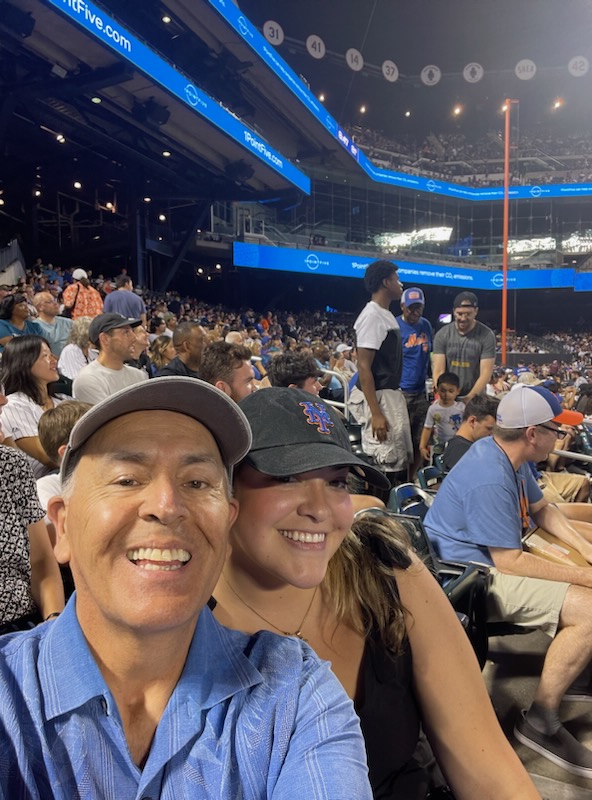
It was a balmy summer evening in New York. The 37,339 baseball fans that came to Citi Field to watch the hometown Mets play the Atlanta Braves rose to their feet to sing Take Me Out to the Ball Game for the 7th inning stretch. The rhythmic swaying to the classic baseball song soon gave way to joyous dancing as a raucous rendition of Louis Prima’s quintessential Italian standard Che La Luna blared over the stadium sound system. The night ended with an exciting fireworks show. 

Oh yeah, the Braves beat the Mets 7-0. 

Things have changed since the last time I spent a night in a baseball stadium. The game seemed like a mere sideshow to the entertainment extravaganza. I might sound like an old man yearning for the nostalgic good ole days when a great catch or a soaring home run made the crowd oooh and ahhh, not a young DJ spinning hop-hop beats between innings on a humongous HD screen mounted high above the left centerfield bleachers. But, that’s not the point. 

The point is that I was there. Thirteen years ago, I was in a medically induced coma in the ICU and on a ventilator fighting for my life. Five years ago, I was again in the ICU. That time with my ribcage wide open for nearly a week because my lungs were so swollen after surgery that the surgeon couldn’t close the chest cavity. Three years ago, I was in bed lying in a fetal position after heart transplant surgery, depressed and convinced that I had failed my family by getting sick ten years before.

Last Friday, there I was in New York City. On a beautiful warm night. At a major league baseball game with my daughter Marisa and her boyfriend Brian. Sitting in great seats along the third baseline. Swaying to Take Me Out to the Ballgame and dancing to Che La Luna. Rocking out to The Cars and the Backstreet Boys between innings. Ooohing and ahhhing at an amazing post-game fireworks show accompanied by classic 80s and 90s hip hop. Oh yeah, and I watched a little baseball. The point is . . .  I was there

Of course, what is baseball without a hot dog, beer, peanuts, and Cracker Jack? No beer. No peanuts. And, no muthafuckas, I didn’t have a hot dog! I just ate a little bag of Cracker Jack.

My journey to Citi Field was a last minute decision. Two weeks ago the Honor the Gift Coalition invited me back to Washington, D.C. to advocate for transplant patients. I wrote about that trip in the June 27th ESEReport. When I went back east in June, it was a three day trip that included two travel days and one day on Capitol Hill. This time, I thought about staying for another day to visit Marisa since New York is a short train ride from Washington, D.C. Sandra encouraged me to stay through the weekend. That’s a benefit of being retired, she said.

Retired?!?! Red flags started waving through my mind, but soon gave way to acceptance. Until very recently, retirement was a frightening thought. My mind conjured up visions of a broken old man that lost his place in the world. I witnessed it in my childhood. While my friends have counted down the days to retirement since they started working, I always envisioned working until the “day they put in a box.” During the summer of 2010, “they” almost did. 

My health crisis eventually led to me no longer being fully employed and being a productive member of society, or so I thought. That misguided assumption was a major cause of my post transplant depression. I truly made myself believe that I had no value and nothing to offer the world or my family. Thankfully, a few years of intense therapy, participation in a heart transplant support group, and uncomplaining love from Sandra, Marisa, and Erica have helped me understand that these unfounded beliefs were just a figment of my imagination.

Within a few minutes of my conversation with Sandra, the red flags floated off into the netherworld where they belong. She was right, damned right! I’m retired. I don’t have to mope around like my dad and his buddies grumbling about being old just waiting to die. First, despite the few hairs that cling to life on my bald head, I’m not old. Fifty-nine is the new thirty nine, right? I still have much to offer the world and, more important, I still have much to offer my family. That’s it, I decided. I’m going to New York and staying through the weekend.

After a full day of meetings on Capitol Hill, I hopped on the 5:30 train to New York. The three-hour ride was calm and relaxing. When I got to Marisa’s apartment, I faced the daunting task of climbing four flights of stairs with a backpack strapped to my shoulders and suit bag in my hand. Not to worry.  Idaho is a beast! I wasn’t sitting at home waiting to die. I was in the most exciting city in the America. I was going to spend the rest of the week with my daughter. I’m retired, dammit!

The rest of the week was amazing. No Statue of Liberty tour. No Brooklyn Bridge. No Top of the Rock. We went to a few cool restaurants in Marisa’s Upper East Side neighborhood. We flipped the script on Take Your Daughter to Work Day and I spent the day watching my baby be a consummate professional. That afternoon, I walked across the street from her office to have coffee with an old high school friend who has lived in New York for almost three decades. I also spoke to a group of nurse leaders at a virtual town hall meeting from Marisa’s apartment. 

Oh yeah, we went to a Mets game. Heck yeah, I’m retired!

On Saturday night, the Alaska Airlines terminal at JFK International Airport was chaotic. I joined about seven others in missing the flight. No big deal. I spent a night in a hotel and left the next morning. The week was amazing, almost cathartic. On Sunday’s flight home, I took in everything that happened during the week. It was a beautiful example of faith, hope, and love. 

I fully accepted the fact that I’m retired, no strings attached. I now know that I can travel with precautions to take care of Idaho. It’s no fun wearing a N-95 mask for six hours on a plane. But I rejoiced in that minor suffering, endured, and became stronger and more confident about air travel. I met an amazing group of fellow transplant warriors in Washington, D.C. to advocate for an important cause in our community. I was fully present for my daughter.

As my mom would say, que mas quieres – what more do you want?

Honoring My Gift

***

I wouldn’t give you two cents for all your fancy rules if, behind them, they didn’t have a little bit of plain, ordinary, everyday kindness and a little looking out for the other fella, too. ~Jefferson Smith, played by actor James Stewart in Mr. Smith Goes to Washington

Each of you should use whatever gift you have received to serve others, as faithful stewards of God’s grace in its various forms. ~1 Peter 4:10

***

The Delta Airbus 319 slowly taxied toward the runway at San Jose Mineta International Airport. It was my first time on an airplane in 4 1/2 years. Destination, Washington, D.C. I last made a trip to the nation’s capital about 15 years ago. It was Idaho’s first trip to the east coast. Idaho is the name I gave my transplanted heart. You can meet him by clicking here.  

As the County Administration building came into view in the distance, I began reflecting on my life. Carefree childhood. Flunking out of college. Triumphant return and graduation. Tireless career climbing. Political battles. Massive heart attack. Decade with heart failure. Left Ventricular Assist Device. Heart transplant. Covid isolation.

It was all a blur as I settled into the familiarity of sitting in a plane. As a Comcast executive, air travel was a regular thing. Albuquerque. Charlotte. Chicago. Dallas. Denver. Houston. Los Angeles. Philadelphia. Phoenix. San Diego. San Antonio. Santa Fe. Seattle. Portland. San Juan, Puerto Rico. Washington, D.C. was a regular stop. After everything that’s happened during the past 13 years, it felt surreal to be on a plane again headed for the Capitol. 

As an executive, my days and nights in Washington were filled with countless meetings, luncheons, cocktail receptions, and dinners. Rubbing shoulders with politicians and corporate leaders while talking business and chit chatting was enchanting to a boy who grew up in the working-class neighborhood of east San Jose. The very idea of it all was seductive.

This time was different. I wasn’t excited like I had been many times in the past. There would be no lavish dinners, hours of networking, or representing the interests of a multi-billion dollar corporation. I had no plans for sightseeing and museums – my favorite things to do when in Washington. My itinerary included flying back east on Tuesday, meetings on Capitol Hill on Wednesday, and returning home on Thursday.

The flight was smooth and uneventful. I didn’t have the stress and anxiety that usually accompanied me on work trips. There were no notes to pore over, no emails to draft so I could send them as soon as a signal returned to my BlackBerry once we touched down. There was no worrying about leaving Sandra and our two young daughters for a week. I was relaxed while reading a biography about Queen Elizbeth II and staring out the window at the empty expanse below.

On the Uber ride from Ronald Reagan Washington National Airport, sitting in rush hour traffic didn’t faze me. We passed the Washington Monument and the Jefferson Memorial. I remembered how exciting it was to see them for the first time almost 30 years before. When the car crossed Pennsylvania Avenue, I turned to my right to see the Capitol sitting majestically on the hill. It also reminded me why I was there.

The Honor the Gift Coalition, a national non-profit transplant patient advocacy organization, invited me to Capitol Hill to advocate on behalf of Medicare organ transplant patients who lost a potentially life saving benefit earlier this year. Organ rejection is the leading cause of death for heart transplant patients. In the past, transplant recipients had to undergo a biopsy after experiencing organ failure symptoms. This was the only way to detect rejection. 

Many times, detection was too late to save a patient’s life. An innovative technology changed everything and gave patients hope. In 2017, Medicare agreed to cover the use of a diagnostic test that detected organ rejection before symptoms and damage set in. This spring, Medicare decided to stop covering the cost of the test. The decision is going to negatively, perhaps fatally, impact Medicare patients who can’t afford the $3,000 price tag.

I have first-hand experience with the new technology. During my first two years post-transplant, a phlebotomist would come to my house to draw blood for the diagnostic test every three months. On the morning of June 24, 2021, the transplant care team called to inform me that the diagnostic test had detected rejection. Within a few hours, I checked into the hospital for eleven days of treatments. It worked. Six months later, Idaho was free of rejection and still healthy. The diagnostic test caught it early and probably saved my life.

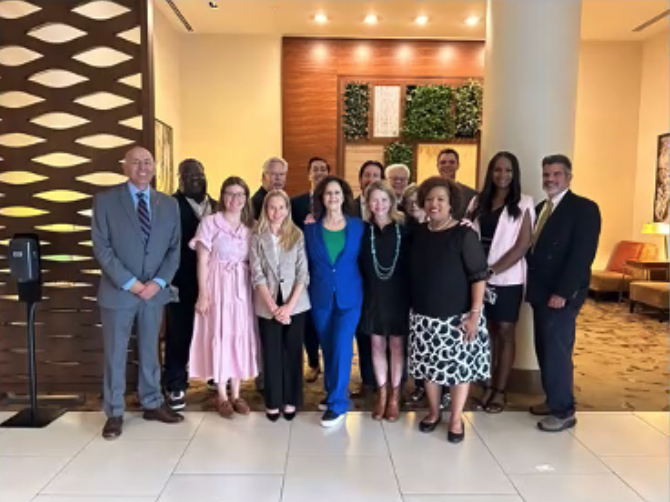
I spent the day on Capitol Hill last Wednesday with transplant advocacy group executives to share my diagnostic test success story with members of Congress. The goal was to highlight my experience to persuade Congress to pressure Medicare into restoring the benefit. I’m no longer in the high-risk timeframe for rejection, so the Medicare decision doesn’t affect me personally. Like Jefferson Smith in Mr. Smith Goes to Washington, I hope members of Congress “look out for the other fella” on this one.  

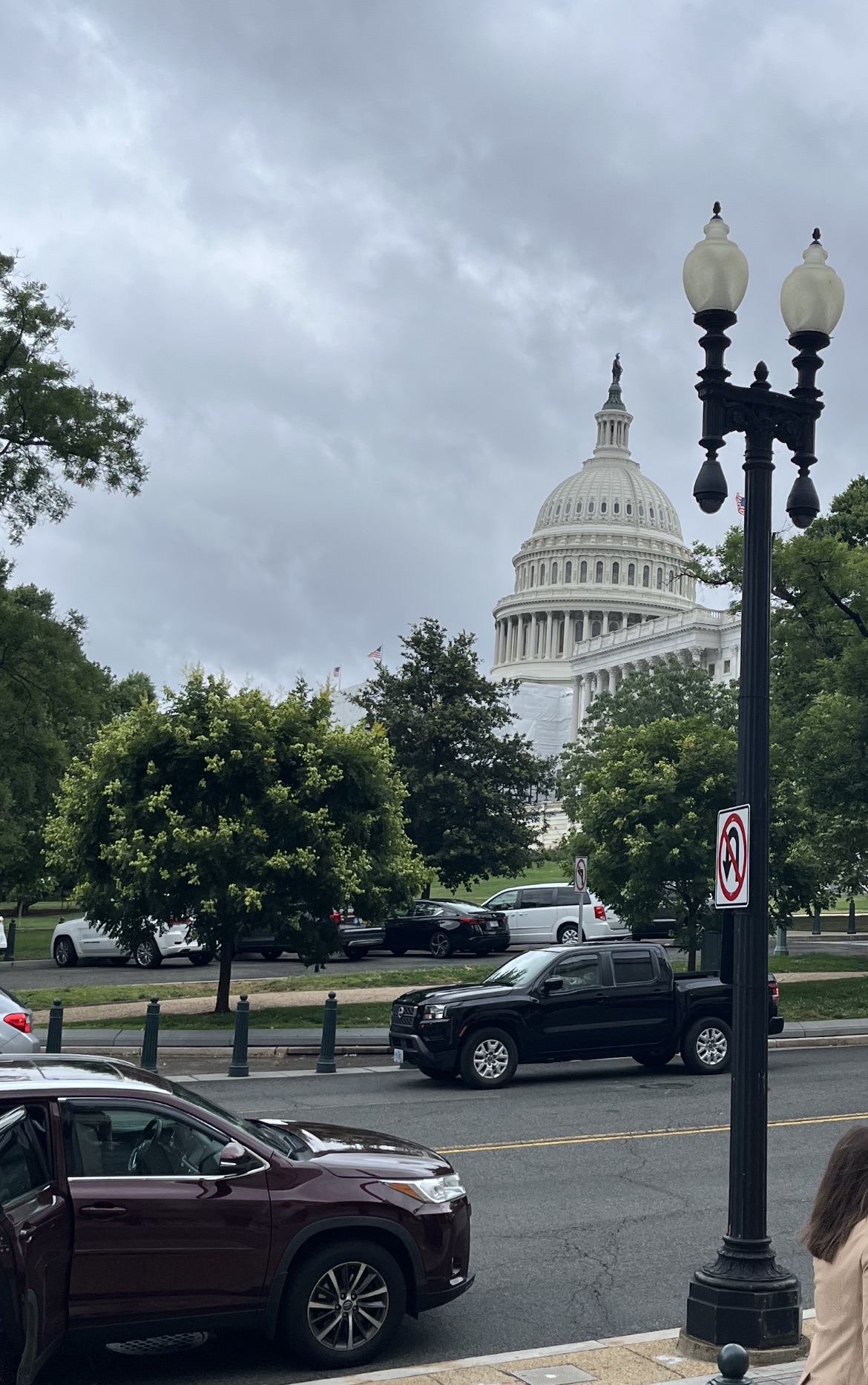
Moving from office to office in two large buildings, we spent seven hours in back to back meetings and I logged over two miles on my Apple Watch. As I stepped out of the Rayburn House Office Building, I saw the Capitol Dome standing tall above the treeline. Despite the current political dysfunction in our country, the image reminded me that the power of democracy lies in the freedom to share stories with leaders who make decisions about our lives. Hopefully, my story made a difference and not too many people will have to die prematurely because they can’t afford the test.

Although Idaho performed like a champ, walking through the halls of Congress and being “on” for every meeting can be exhausting. When I returned to the hotel room, I plopped onto the bed for a two hour nap. I ended the evening by taking a shower, having a quick dinner alone, and packing my bags before calling it a night for the early morning trip home.

My professional experience has taught me that these things take time and persistence. Honor the Gift Coalition leaders will diligently stay on top of the issues and continue educating members of Congress on the importance of diagnostic testing for transplant patients. We’ll have to see what happens. In the meantime, I’ll keep family, friends, and readers posted. I may call on you to send letters and emails to your congressional representatives. Stay tuned.

The flight home was also smooth and uneventful. I thought about my mom and her own battle with kidney disease. I thought about her strong faith and belief that everything happens according to God’s plan. “Si Dios quiere,” she would say. “If that’s what God wants.” Will I help again if called upon? The short answer is, yes. God has given me many gifts, Idaho being one of the most important. I plan to continue using His gifts to serve others . . . si Dios quiere.

Happy Heart Month!

Happy National Heart Month!

It’s National Heart Month! How am I going to celebrate? Maybe I’ll make the bed or take out the garbage.  

My guess is that you might think that I’m out of my mind to suggest that doing chores is any way to celebrate anything. Let’s face it, making the bed and taking out the garbage aren’t the most exciting things to do. I doubt that anyone is counting down the hours to do menial household work as a form of celebration. 

But . . .

Making the bed every morning and taking the garbage out every Tuesday are like Thanksgiving for me, just without the turkey and stuffing and cranberry sauce and mashed potatoes with gravy and pumpkin pie with Cool Whip. Fluffing up pillows and dragging bins to the curb are moments of pure appreciation. I still don’t enjoy doing these thankless tasks, but something special always happens when I do them. I have an overwhelming sense of gratitude. 

I think of the time during the depth of heart failure when it would take ten, sometimes fifteen, minutes to make the bed after Sandra left for work. She insisted I leave it for when she came home. I insisted on doing it, taking breaks and slumping onto the bed to catch my breath between smoothing out sheets and flipping over the comforter. Now it just takes a minute to do the same thing. Gratitude!

There was a time when taking out the garbage was a struggle. Rolling the garbage can and recycle bin down the driveway wasn’t so bad. Walking back up was another story. I had to stop a couple of times to lean against the fence to catch my breath before going into the garage that leads to the back door. I finally couldn’t do it at all. I now smile and thank God for his grace as I stroll down and walk up the driveway with bins in tow. Gratitude!

Sometimes I can’t stop thinking about making the bed and taking out the garbage. Laboring up the driveway during those tough times pops into my mind every once in a while when I’m out for a long walk. I smile, chuckle to myself in amazement, thank God, and keep chugging along. When I quickly and easily make the bed to start the day, I’m reminded of my damaged heart huffing and puffing. I smile, chuckle to myself in amazement, thank God, and keep chugging along.

Here’s the thing. Having a bad heart is no joke. We take it for granted when it’s working the way it’s supposed to work, kind of like we do with life partners. When things are good, it’s all laughs and love. When things are bad, it’s like, “how did we get to this dark place?” The key in both cases is to take care of what takes care of you before it doesn’t anymore.

Let me be more clear. Your heart runs the show. Bad heart, bad show. No heart, no show. Since my heart attack in 2010, I’ve lost a sister-in-law and friend to cardiac arrest, and my next door neighbor to a heart attack. Three friends suffered and survived heart attacks, another just had a pacemaker placed, and a cousin recently had bypass surgery. 

My relationship with heart and cardiovascular disease didn’t start that fateful summer in 2010. When I was ten years old, my maternal grandmother passed away from a heart attack. I can still see Mom’s anguish when she told us how doctors tried to revive Grandma with the electric paddles. Mom and Dad both had heart attacks in their 50s. Dad died of a massive stroke. My sister was 49 years old when she passed away because a virus attacked her heart. My oldest brother is currently recovering from a stroke. It’s not a pretty picture.

Cancer gets all the press. Who hasn’t seen or heard the phrase, “Cancer Sucks”? Well, heart disease sucks pretty bad too. In fact, it sucks even more. According to the American Heart Association, heart and cardiovascular disease is the #1 cause of death in the world. Over 500,000 people die every year in the United States alone because of heart disease. Every year! Here’s the kicker: Unlike cancer, heart disease is largely preventable.

Losing family and friends to heart disease can get demoralizing. During the past thirteen years, I’ve learned a lot about the heart and the disease that ultimately catches up to many of us. As a volunteer for the American Heart Association, I’m passionate about prevention, and I plan to use my gift for writing and speaking to raise awareness about this pandemic.

To celebrate National Heart Month, I ask you to take a few minutes to become more aware of the causes of heart disease and ways you can prevent or slow it down. Here are two ideas to get started:

  • Know your family medical history. According to the American Heart Association, 50% of heart disease is caused by genetics. If you know that you could potentially be in trouble, making lifestyle changes can make a big difference.
  • Lifestyle choices like smoking, eating a high-fat diet, not managing stress, and not exercising accounts for the other 50%. Take a look at Life’s Essential 8 habits to protect your heart by clicking here to help you make good heart health choices. Start today!

As for me, I’m celebrating the kickoff to National Heart Month in a big way. I started the day with a bowl of oatmeal, walnuts, blueberries, a hard-boiled egg, and the first of three liters of water I drink daily. I read a little bit (another one of my passions) while sipping a cup of coffee. As I walked down the driveway for a four mile hike, I saw the garbage bins I had taken out the night before on the curb. I smiled, chuckled in amazement, thanked God, and kept chugging along.

Oh yeah . . . I made the bed and brought in the empty garbage bins.

It was a great way to celebrate.

***

My book, Summer in the in the Waiting Room, recounts my battle with and triumph over heart disease. Buy it by clicking here.

Choose Life for Your Family

Trying to match wits with Tita and X – Christmastime 2015

People say all the time, I’d die for my children. Okay, but would you live for them? Actually live. Make better choices. Try practicing sobriety. Take care of yourself physically and mentally. Your kids don’t need you to die for them. They need you to LIVE. ~ Unknown

***

The phone rang at about 4:30 in the morning. I was sound asleep under warm covers. Sandra sat up and quickly answered the telephone in the dark of our bedroom. After saying hello, she turned and said, “It’s your mom,” and handed the phone to me. “Something is wrong with your dad,” mom desperately declared. “The ambulance is on the way.” I shot up immediately, washed my face, brushed my teeth, and put on a pair of jeans, hoodie, and baseball cap.

When I got to Alexian Brothers Hospital in east San Jose, Mom was sitting alone in a tiny cold emergency department waiting room. She looked frail and scared. Dad had had a massive stroke. After a long embrace, we went into another small room where nurses cared for Dad. Mom held his hand and lovingly brushed back the few wispy hairs on his bald head when he began to convulse violently. Nurses rushed us out of the room as doctors started working on him.

It seemed like forever sitting in that little waiting room anticipating the doctor to come out any minute to give us a report. Mom quietly prayed while rubbing rosary beads through her fingers. I called my siblings one by one to let them know what was going on. I then sat and worriedly watched mom pray. Finally, a doctor walked into the room and informed us that Dad had died. It was September 6, 1995. Probably around 7:30 am. I was 31 years old.

I was devastated. He was my hero. He taught me what it meant to be a man. A year earlier, I had completed a comeback from the college failure that caused so much chaos in my life and started a professional career armed with a San Jose State University degree. I had goals, big dreams. I was ambitious and focused. I couldn’t wait to achieve my goals and make Dad proud. The dreams were sure to happen. Just without Dad.

After a series of strokes left his motor skills severely restricted, Dad was angry and resentful. He withered away rather than accept God’s will and fight for his life. It seemed like the man who taught me how to be a fierce competitor decided to give up when it mattered most. I was confused and sometimes angry at him for that. But it didn’t matter anymore. He was gone.

In the years that followed, I didn’t think much of it. Every now and then, I thought of how Dad threw in the towel after the first couple of strokes. It didn’t make me upset or resentful. I just wondered what would have caused such a proud man who struggled his entire life to call it quits. Maybe growing up during the Depression without a father, fighting in World War II, and raising a large family living check to check finally took their toll on him.

Or maybe, just maybe, his decline and death were the final lessons he taught. Fifteen years after Dad passed away, I was in a physical rehab center learning how to walk again after becoming paralyzed from a summer in a medically induced coma. I laid awake at night questioning God about my situation. Moments of hopelessness ventured in and out of my thoughts. Many times I considered giving up. I thought about Dad.

His story gave me the strength to surrender to God. As I wrote in my book, Summer in the Waiting Room (Available on Amazon. Click here), “I surrendered to the reality that a massive heart attack and its destructive side effects changed my life. I was determined not to dwell on what could have been. As the hours and days passed, my (rehab) workouts intensified. I made progress on a daily basis.” Two weeks later, I walked out of the hospital.

This brings me to the quote I used to start this post. Who knows who actually said it. I saw it while surfing on Facebook. It was just one of the million or so memes on Facebook that are mostly meaningless. The phrase, “I’d die for my children” is such a cliche. I don’t know anyone who wouldn’t rush in front of a speeding car to save their kid’s life. That’s a no brainer. That’s easy to do.

It’s the second part of that quote, “Your kids don’t need you to die for them. They need you to LIVE,” that caught my attention. My life as a man and a father was just beginning when Dad died. I could only imagine what it would be like to go to a Giants game. Just father and son. We never did that. Sitting at Dad’s kitchen counter debating politics with his sharp intellect while sipping whiskey would have been wonderful. Sharing my professional accomplishments with him would have been a dream come true.

As Marisa and Erica continue to blossom as young women, I get to share those moments I missed with Dad. We have conversations about art, politics, music, and careers building. When they reach out to me for career or life advice, my heart sings. When they’re home for the holidays, we play board games and sit together rooting for the Forty Niners and Warriors.

That’s why I fight to live. It’s not easy. I’ve had to give up lots of things I love. “No muthafucka, you can’t have a hotdog” is my rallying cry, but many other favorite foods are on my “No Eat” list too. Listening to a good Mexican heartbreak song now has to be done without beer or tequila to soothe the pain. Until this Covid thing gets under control for immunosuppressed people like me, going to Chase Center to watch the Warriors with 18,000 other people is out of the question.

Eating right, taking medicine as directed by my heart transplant team, exercising regularly, and staying away from drama are going to give me a fighting chance to live longer. Will doing those things guarantee a longer life? Of course not. God is in charge of that department. For Marisa and Erica’s sake, I’m going to do my part. 

If people think it’s noble to say that they’ll die for their kids, so be it. I think that’s taking the easy way out. Try doing it the hard way for your family’s sake. Choose life. Start by trying to make a few lifestyle changes. Every little bit helps. Minimizing unhealthy and destructive behavior like smoking, drinking too much, and not sleeping enough is helpful too.

As Jesus said in Matthew 4:7, “Do not put the Lord your God to the test.” You just might live a little longer. Do it for your kids. They’re going to need you and your wisdom when it’s their turn to make choices for their families.

Almost Like Heaven

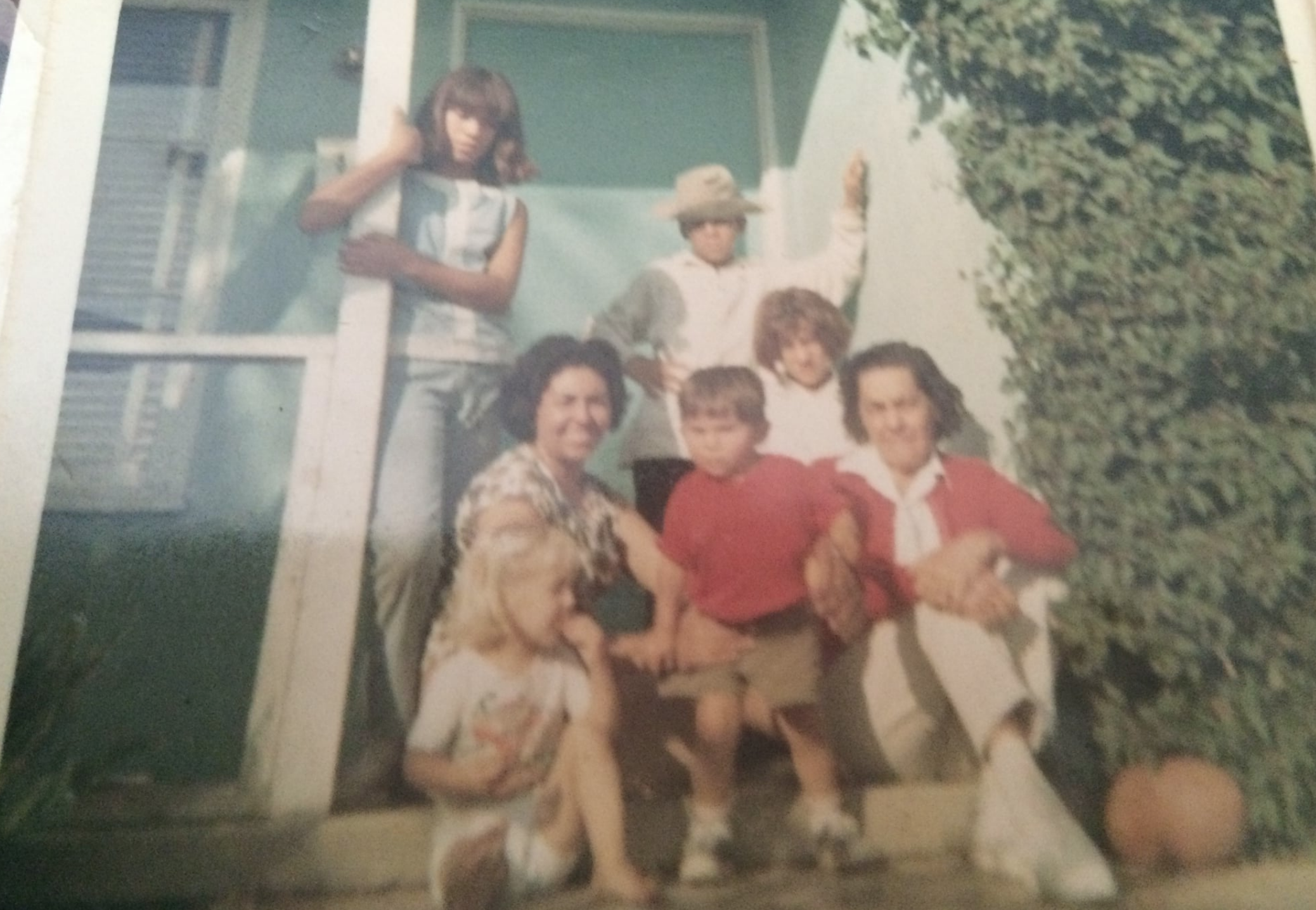
Wrapped in the cocoon at 48 Viewmont Avenue, 1966

After the rain took a break yesterday, I put on a pair of black sweatpants, long sleeve t-shirt, faded Warriors hoodie, black waterproof windbreaker, and laced up my hiking boots to get ready for my daily 4-mile walk. Once I put sunscreen on my face and filled a Hydro Flask with cold water, I topped off the ensemble with a new brimmer hat and securely placed Airpods into my not so small ears. 

As always, I thought about what I wanted to hear coming from those technological wonders. Every Monday, I listen to the George Lopez OMG Hi Podcast. I highly recommend it. The show is thoughtful, informative about the craft and business of comedy, and funnier than a motherfucker (excuse my French). Tuesday is reserved for any number of other podcasts that catch my fancy. The rest of the week is dedicated to music. 

Yeah, yeah. I know it sounds like the boring life of an old man. That lifestyle caught up to me sooner than expected. Countless surgeries, including a couple of open heart operations and scores of post heart transplant procedures have a way of slowing life down. Even though I feel fantastic and younger than ever, taking care of a transplanted heart requires lots of discipline. Routine keeps me in the game. 

Making a decision about the music selection is no easy task because my taste in music is all over the place. Inspired by a recent OMG HI Podcast episode, I paid homage to East LA with Tierra and Los Lobos. The playlist of the past month or so includes Eddie Money, GQ, The Intruders, Frank Sinatra, Dua Lipa, Los Tigres del Norte, Lakeside, Muddy Waters, Sarah Vaughn, Harry Styles, and Boni Mauricio y Los Maximos. You get the picture. The list goes on and on. 

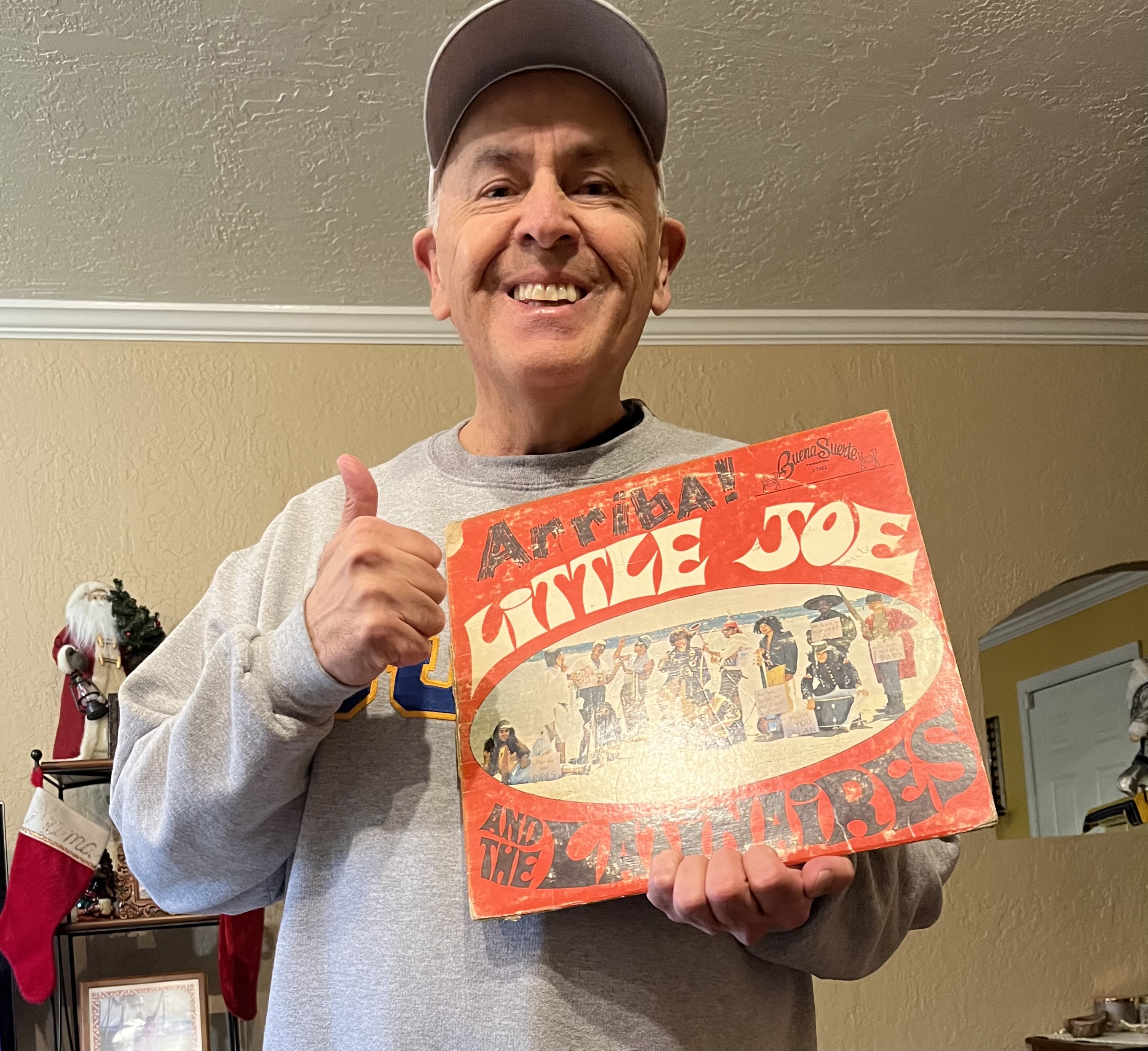
A few weeks ago, I settled on “This is Little Joe” on Spotify. For those who don’t know about Little Joe, he’s the leader and front man of arguably the best and most famous Tex-Mex band of all time. One of the things I loved to do as a kid was sit next to dad’s stereo listening to his albums with big headphones covering half my little head. When I hear Qué Culpa Tengo, my favorite Little Joe song, I fondly think about my sister’s 1976 wedding. One of dad’s treasured Little Joe albums remains safe in my collection.

My favorite Little Joe album – Arriba! Little Joe and the Latinaires, recorded in 1968

I’m sure my daughters and nieces would argue that Selena and Los Dinos deserve the title of best Tex-Mex band of all time. Nice try, I say. But, that’s neither here nor there. What matters is that the King of the Brown Sound always takes me back to my boyhood and the secure confines of Viewmont Avenue in east San Jose.

I saw Little Joe for the first time in 1986. The dance was in the cavernous Expo Hall at the Santa Clara County Fairgrounds. I stood close to the stage to take it all in. The funky horn section, rhythmic guitar lines, thumping drumbeat, and Little Joe’s soulful voice and signature grito was food for my soul. Since then, Sandra and I have danced the night away at many Little Joe concerts.

I truly believe that heaven is the next stop after God taps my shoulder to bring suffering in this world to an end. The thing is that I’m not too sure that heaven looks like what the King James Bible tells us in Revelation 21:9-14. Maybe, just maybe, heaven might look like 48 Viewmont Avenue, circa late 1960s to mid 1970s.

Fifty years ago on Viewmont Avenue there was no college failure, no subsequent drunken carousing, no election defeats, no heart attack, no acute respiratory distress syndrome, no medically induced coma, no scary ICU delirium dreams, no heart failure, no LVAD, no post heart transplant depression and anxiety, no starting over at fifty-six. That sounds like heaven to me.

Revelation 21 also tells us that “there will be no more death or mourning or crying pain” in heaven. Ok, so maybe I’m overselling 48 Viewmont. My grandma died in 1974. Our dog Tequila followed a couple of years later. Yeah, I cried my eyes out both times. So I guess that doesn’t make Viewmont a strong candidate for a blissful afterlife in heaven.

But there’s something about being in the cocoon at 48 Viewmont, riding bikes with friends in the summer, playing basketball on the driveway and two-hand touch football on the street, and watching my parents dancing to Little Joe in the living room that brings peace and serenity to my soul. Don’t get me wrong, many beautiful things have also happened to me since those carefree days. Sandra, Marisa, and Erica to name three. 

Being with my three girls at 3211 Stimson Way listening to music, playing board games, and talking smack as the crazy world swirls around outside also brings peace and serenity to my soul. Maybe heaven includes all of life’s wonderful experiences with family and good friends mixed in a beautiful cocktail of faith, hope, and love. Shaken, not stirred, of course.

About six or seven years ago, Sandra and I were at History Park in San Jose watching the King of the Brown Sound live on stage. It was a warm and sunny day. We were having a blast with compadres and close friends.  I had a few Jack and Cokes dancing in my head when Little Joe’s band started playing Borrachera (no pun intended), his classic tune about drunken revelry. The music washed over my body as Sandra and I blissfully swayed together arm-in-arm. For those three minutes, I didn’t have a care in the world. It was almost like heaven.

None of us will really know what heaven looks like until we get there. Maybe it will look like the King James Bible description, “clear as crystal . . . with a wall great and high, and twelve gates, and at the gates twelve angels, and their names written thereon.” Maybe it looks like 48 Viewmont Avenue in 1972. Maybe it’s Christmas 2022 at 3211 Stimson Way. 

Whatever it looks like, I’m pretty sure that Little Joe will be there belting out fun music. My family and dear friends will be there with me dancing and laughing. There’s no doubt in my mind that “there will be no more death or mourning or crying pain.”

Do You Need Anything Else Mr. García?

Toasting my friend Mark De Los Reyes (September 29, 2022)

Faith, hope, love. That’s how my mom looked at the world. “Si Dios quiere” (God willing), “gracias a Dios” (thank God), “Dios te bendiga” (God bless you). Anytime I hear these words, Mom’s gentle voice rings in my ears. My dad had a different worldview. Work hard, play by the rules, be good to people, don’t count on others. No nonsense words from a man who grew up in a shack with a dirt floor and fought in WWII when he was 17.

Growing up, Dad’s words carried the day. Mom’s unconditional faith was hard to grasp when I was a kid. While in class, playing sports, and working part-time, hustling made way more sense than waiting for God to figure it out for me. As a man, making a college comeback, working my way up the corporate ladder, and serving in public office required rolling up my sleeves, keeping my nose clean, and watching out for yours truly.

Dad’s take on the world was working like a charm. Then . . . June 7, 2010, a ventilator, paralytic medicine, and Coors Light changed everything.

When I awoke from a medically induced coma, my muscles were fast asleep. Talk about a wake up call. I had to re-learn how to swallow, move my arms and hands, and sit up. How would I overcome this seemingly hopeless situation? Mom’s way? Dad’s way? As it turned out, both ways with one exception. 

Part of my recovery was revitalizing my leg and hip muscles so I could stand and walk again. This was the most difficult part of the rehab daily regimen. Standing up required three movements: sitting up, hurling myself forward, and using my legs to rise tall. Of course, we all do this countless times throughout the day instinctively without giving a second thought to the mechanics. Learning how to do this seemingly simple act as an adult was quite an adventure.

Starting off in a reclining position, I had to slowly straighten up to a sitting position by using my forearm to push up from the bed. Once my body’s core was balanced and settled, it was time to take a break and a few breaths. From a sitting position, the physical rehab doctor, a stocky woman with a witty sense of humor, instructed me to lean forward until my torso and head were parallel to the floor. When the doctor first mentioned this to me, I sat for a moment and laughed. I managed to say, “You’re kidding, right?” in my weak and raspy voice.

The doctor chuckled back with a big smile and said, “Nope!”

My limited scientific mind was telling me that this was ridiculously dangerous. I responded with a chuckle of my own and a big smile, saying “Nope” right back to her.

After a momentary giggle at my half-serious comedic effort, the doctor urged me to trust her and try the maneuver. “Just throw yourself over my shoulder, and I’ll catch you if you lose balance,” she encouraged. In a leap of faith, I did what she told me and fell right onto her shoulder. This isn’t going very well, I thought as I lay face down on the doctor’s shoulder looking at the floor. “Great job!” she exclaimed.

From that position, the doctor told me to “explode upward” to an upright position. Easy enough, I thought. There were only a couple of problems. First, my legs were so weak that there was no explosive movement to be had. Second, as I slowly pushed myself up, my legs shook uncontrollably, and my knees locked up, preventing my body from standing straight.

The doctor offered more coaching. 

She told me that the therapist had mentioned that I had been an athlete. All I needed to do was bend my knees slightly like a baseball player getting ready in the batter’s box. From there, I could push myself upward. I was finally able to stand for a split second while holding on to the doctor. I quickly reversed the order of movements and fell onto the bed. I was exhausted.

The doctor cheered me on and said, “Let’s do this a few more times.” “You’re kidding, right?” I replied again with a hopeful grin. The doctor snickered with a big smile and said, “Nope!” I knew that was going to be a long day.

Throughout the next several weeks, physical therapists intensified leg exercises with the help of an assistant named Mark. We worked hard on standing mechanics. Mark was a quiet and burly young man with a sunny outlook and an infectious smile. He kept my body balanced as I did repetitions of standing exercises. Several physical therapists worked with me during that time while Mark was a consistent presence.

As each day passed, I felt more hopeful and faithful. I kept thinking about a doctor’s comment that something more powerful than any doctor was in control of my destiny. Of course, my mom’s voice echoed in my mind. Feeling more like myself, I began to joke with doctors, rehab teams, nurses, and visitors from the waiting room. Before leaving my room, Mark always asked if I needed anything else. Everyday, I responded by telling him that an ice cold Coors Light on tap would be great. He laughed every time at my corny joke.

Fast forward to 2022. A couple of months ago, I hosted an event to talk about my book, Summer in the Waiting Room. It was a great turnout. After a short program, people lined up for me to autograph their copies. As I sat signing books and chatting with each person, I thought about Mom. The evening was an affirmation of the power of faith, hope, and love.

As if on divine cue, Mark suddenly appeared in front of me. His infectious smile took me back a dozen years to that room at the Kaiser Santa Clara Medical Center where we worked so hard to get me back on my feet. Before I could get the words, “hey Mark,” out of my mouth, he firmly planted two tall cans of Coors Light on the table! “Here you go, Mr. García.” With a lump in my throat, I quickly leapt to my feet, went around the table, and gave Mark a bear hug.

Faith, hope, love? Absolutely! Work hard, play by the rules, be good to people? You better believe it! Don’t count on others? That’s a hard no for me. Absolutely not. Not my thing. Thanks to Mark and hundreds, maybe thousands, of people, I learned that counting on others for help was a form of divine love. It got me through the darkest time of my life.

Thank you, God. 

***

Read about Mark and the amazing rehab team at Kaiser Santa Clara in Chapter 30 of my book, Summer in the Waiting Room: Faith • Hope • Love. You can find the book on Amazon (it’s a great idea for a stocking stuffer!)

It’s Gonna Be OK

Kaiser Santa Clara Medical Center ICU Waiting Room ~ June 7, 2022

There is an appointed time for everything. And there is a time for every matter under heaven. ~ Ecclesiastes 3:1

I have some good news and some bad news. The bad news first: I woke up this morning to the following message from Amazon:

Your title may experience a temporary delay in publishing. Our teams are working to review and publish your book as quickly as possible.

Instantly, the failure demons that have hounded me for most of my adult life rejoiced. My meticulously planned rollout for the paperback version of Summer in the Waiting Room fell flat. “We knew it”, the demons gleefully told me. Anxious adrenaline pulsated through my body as my mind frantically searched for a solution. My first instinct was to communicate with Amazon to either sweet-talk or browbeat them into fixing the problem IMMEDIATELY!

The good news: My spiritual journey has taught me that it’s gonna be OK. After taking a deep breath, I prayed and reflected on Ecclesiastes 3:1. It inspired me to write this post and share my thoughts on accepting what is. It took a while, but faith ultimately overwhelmed the failure demons. 

Let me tell a little story . . .

During the early 1990s, I became mesmerized with politics. I wanted to be an elected official to make a positive impact on the community. I wanted to do that really bad. When I was thirty-two years old, I ran for a seat on the elementary school board. I didn’t have much experience, but I worked very hard. I lost to longtime incumbents by a slim margin. I tried two more times over the course of the next four years with the same result.

Failure demons had haunted me for most of my adult life. A self-imposed pressure cooker of stress caused sleepless nights, headaches, and a never ending supply of fight-or-flight adrenaline flowing through my body. I hadn’t yet learned that anxiety and worry were barriers to inner peace. Nor did I realize that such mental suffering also caused stress on my heart (more on that later). 

Ten years after my first attempt at public office, a twist of fate gave me an opportunity to serve as an appointed official for the East Side Union High School District. Was it a twist of fate or was it God’s “appointed time” as described in Ecclesiastes 3:1? I had an extra decade of life under my belt. I had more leadership experience as a corporate vice president and chairperson of a non-profit board. 

I served for four years, including one year as board president in 2010. Schools were reeling from massive budget cuts caused by the Great Recession. In four years, we had to cut over $20 million from the East Side budget. Despite the financial constraints, I led the successful effort to save sports programs and established a policy that gave every student a chance to be eligible for college after graduation.

Both policies have had a lasting impact on students. It all worked out according to God’s plan. Personally, it came with a huge cost. A genetic predisposition to heart disease and years of angst, stress, and needless worry brought my life to a screaming halt. Just like that. 

Looking back, that heart attack twelve years ago is the second best thing that ever happened to me, behind meeting Sandra and the birth of our girls. It taught me that everything happens in God’s appointed time. It taught me that worry, impatience, anxiety, and stress over things outside of my control is a worthless activity. It taught me about the true meaning of faith, hope, and love. It taught me that everything is gonna be OK.

What the heck does this have to do with the paperback version of Sumer in the Waiting Room not being published on June 7, 2022 as promised?  Everything!

Today is the 12th anniversary of the heart attack that kicked off the summer in the waiting room. For nine out of the last eleven years (Covid precautions prevented visits in 2020-2021), I’ve gone on a one-man pilgrimage to the ICU waiting room at Kaiser Santa Clara to pray, reflect, and seek inspiration. I went today after the morning crisis. I said a prayer of thanksgiving, reflected on my journey, and found inspiration.

I’ve inflicted enough damage to my mind and body over things I can’t control. I’m finally good with the fact that shit happens. The sun will still peek over the east foothills tomorrow morning at 5:46 am. It’s all in God’s hands. There is an appointed time for everything. I decided to leave it to God and Amazon to work out.

By the time I got home, God had spoken. He had good news. The appointed time had come. 

God gave me peaceful hope and Amazon resolved the delay in time to meet the June 7, 2022, release date. You can buy your copy of “Summer in the Waiting Room” today after all!

Thank you, God.

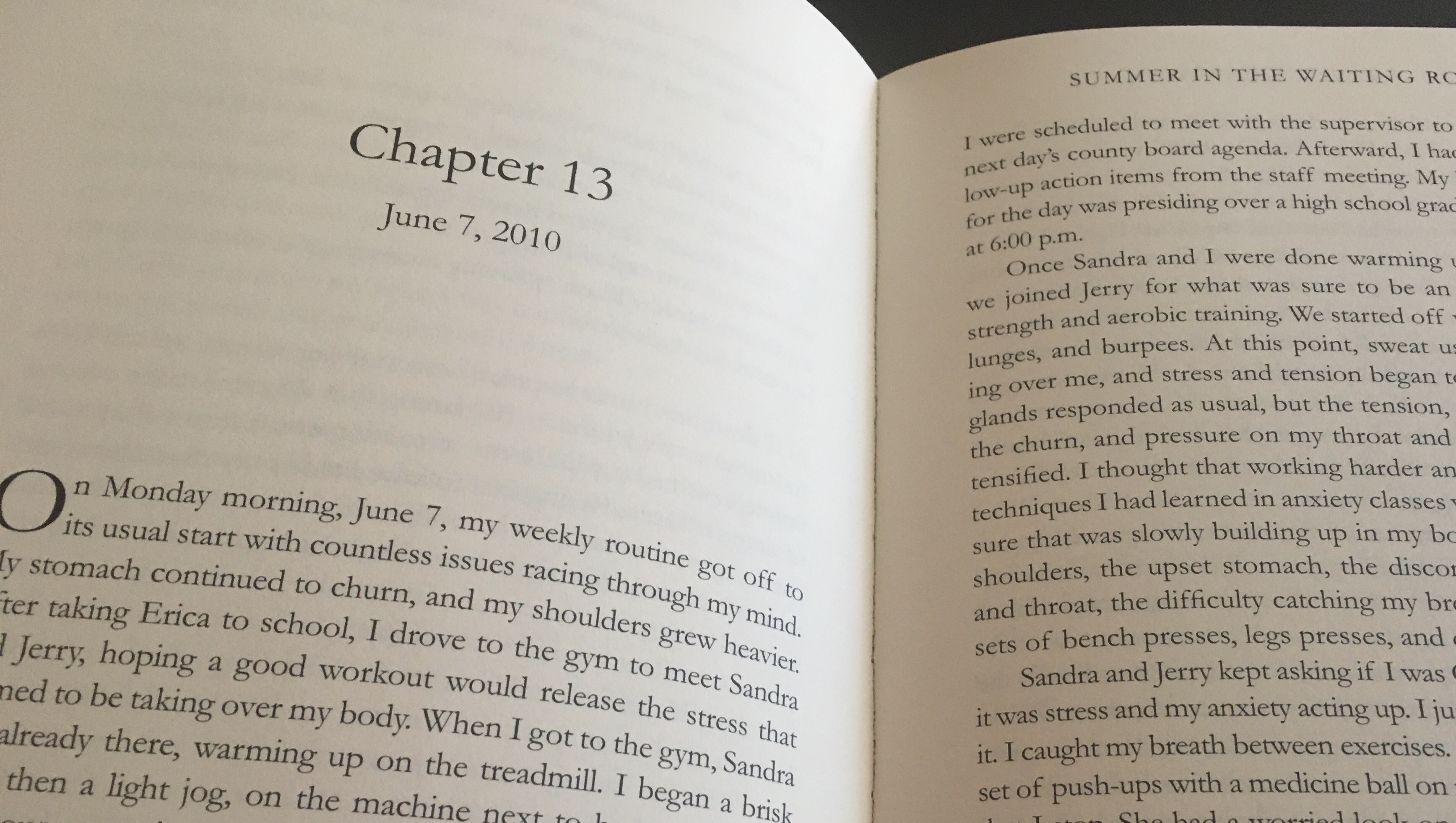
June 7, 2010

Summer in the Waiting Room ~ Chapter 13

Summer in the Waiting Room: Faith • Hope • Love

Chapter 13: June 7, 2010

Sandra drove as fast as she could. The discomfort in my shoulders and upper chest increased as every minute went by. She dropped me off at the entrance to the clinic and quickly drove away to find a parking space. I labored into the building, took the elevator to the second floor, made my way to the doctor’s office, and checked in at 7:26 p.m. The doctor reviewed the vital signs, asked me a few questions about how I felt, and immediately ordered an electrocardiogram (EKG) to determine if there were any irregularities in my heart function.

The nurse attached electrodes to my chest, turned on the EKG machine. We watched the machine whiz and purr as the needle on the printout page rapidly moved in a zigzag motion, drawing tiny peaks and valleys on computer paper. As soon as the machine stopped whirring, the nurse ripped out the computer printout and quickly disappeared into the hallway. The doctor came back seconds later to tell us the EKG reading was abnormal, and I should proceed to the emergency room for more tests.

By the time the doctor finished her diagnosis, the nurse was in the hallway, standing behind the wheelchair that was to take me to the emergency room on the other side of the large complex. Walking briskly, she pushed the wheelchair out of the clinic hallway, into the clinic lobby, and out to the main hallway that led to the hospital, about half a city block away. The nurse moved swiftly as she fumbled with her cell phone. Sandra offered to push the wheelchair so the nurse could use her phone. Suddenly the nurse’s brisk walk turned into a trot and, ultimately, a jog to the emergency room. Tall floor-to-ceiling windows formed a breezeway that connected the clinic to the hospital. I could see out to the cafeteria and the parking lot beyond. Life outside was moving at its usual pace, and I was heading toward a crisis.

My mind swirled with random thoughts that ranged from doom to confusion to relief. Could I be having a heart attack? Why didn’t the doctor say that? Was she just taking precautions by sending me to the emergency room? Why was Sandra pushing the wheelchair at a jog? Why was the nurse excitedly talking on the phone and to whom? I couldn’t hear what she was saying because of the noise that was filling my head with questions.

We got to the elevator in the hospital and went down one floor. When the elevator doors opened, we raced across the lobby straight into the emergency room, where I arrived at 7:41 p.m. Three doctors wearing white smocks waited for us. Within seconds, I got my answer. One of the doctors said, in a calm and matter-of-fact voice, “Mr. García, you’re having a heart attack.”

***

To be continued . . . at Amazon.com!

Order your copy of Summer in the Waiting Room: Faith • Hope • Love on Tuesday, June 7, 2022!

Ready for a Fight

García Family ~ May 29, 2010

Summer in the Waiting Room: Faith • Hope • Love

Chapter 12: Ready for a Fight

With personal, professional, and political madness swirling around me, the last Saturday in May provided much needed relief. Sandra’s parents celebrated their fiftieth wedding anniversary with a beautiful mass and an elegant reception on May 29, 2010. Sandra, the girls, and I took a family photo that day. That photo perfectly describes how I felt about my place in the world. Looking at it, one could see a successful man surrounded by his beautiful family at the pinnacle of his life.

I felt fatigued and anxious for most of the week following the anniversary party. Sandra commented that I looked especially tired and lethargic. I kept pushing myself to the limit, bolstered by double lattes and daily workouts. Sandra and I had been exercising together regularly for about eight months with a personal trainer. Both of us felt great losing weight, toning our muscles, and exercising away the stress of our jobs. During the week, the trainer commented to me that he had “never seen someone under so much pressure as you were that week.” I remember feeling extreme stress and anxiety during the morning workout. 

The symptoms that dogged me were similar to those I had six years earlier when my doctor diagnosed me with anxiety disorder after my mom and sister Patty died. After the diagnosis in 2004, I had participated in several one-on-one therapy and group sessions and classes that provided anxiety sufferers with the tools to manage symptoms. What I learned was that anxiety symptoms were the same as those of a heart attack, just less severe.

On Sunday, June 6, the family gathered at Dave & Buster’s restaurant to celebrate my nephew’s birthday. At the arcade, I was at the basketball machine shooting as many free throws as possible in a short time span. When time ran out, I had a hard time catching my breath. The pressure in my throat was more intense, and my shoulders were so heavy that I sat on a stool next to a pinball machine, hunched over, trying to regain composure. I worked on the breathing and relaxation exercises I had learned to manage stress and anxiety. 

While I believed that the symptoms causing my discomfort were from an impending anxiety attack, something entirely different was happening inside my body. At forty-six, my arteries surely were hardening because of genetics and years of a high-fat diet. For decades, researchers have studied the correlation between stress and heart disease. According to these studies, the chemical reaction in the body that produces the fight-or-flight sensation causes the blood to thicken and clot in preparation for a blow to the body.

In other words, in a constant state of high stress and anxiety, the body is getting ready for a fight and protects itself from potential excessive bleeding. Since my return to college and entrance into the world of career building and redemption, my body had been in a perpetual state of alertness. During the first six months of 2010, the high level of stress my body had endured for more than two decades had intensified many times over. By June 6, 2010, blood flowing through my arteries and veins was thickening and clotting with every crisis.

***

Summer in the Waiting Room will be available in paperback and on Kindle June 7, 2022. Kindle users can pre-order a copy today: https://www.amazon.com/Summer-Waiting-Room-Faith-Hope-ebook/dp/B09ZFC5HFX